How AI turns a photo into anime
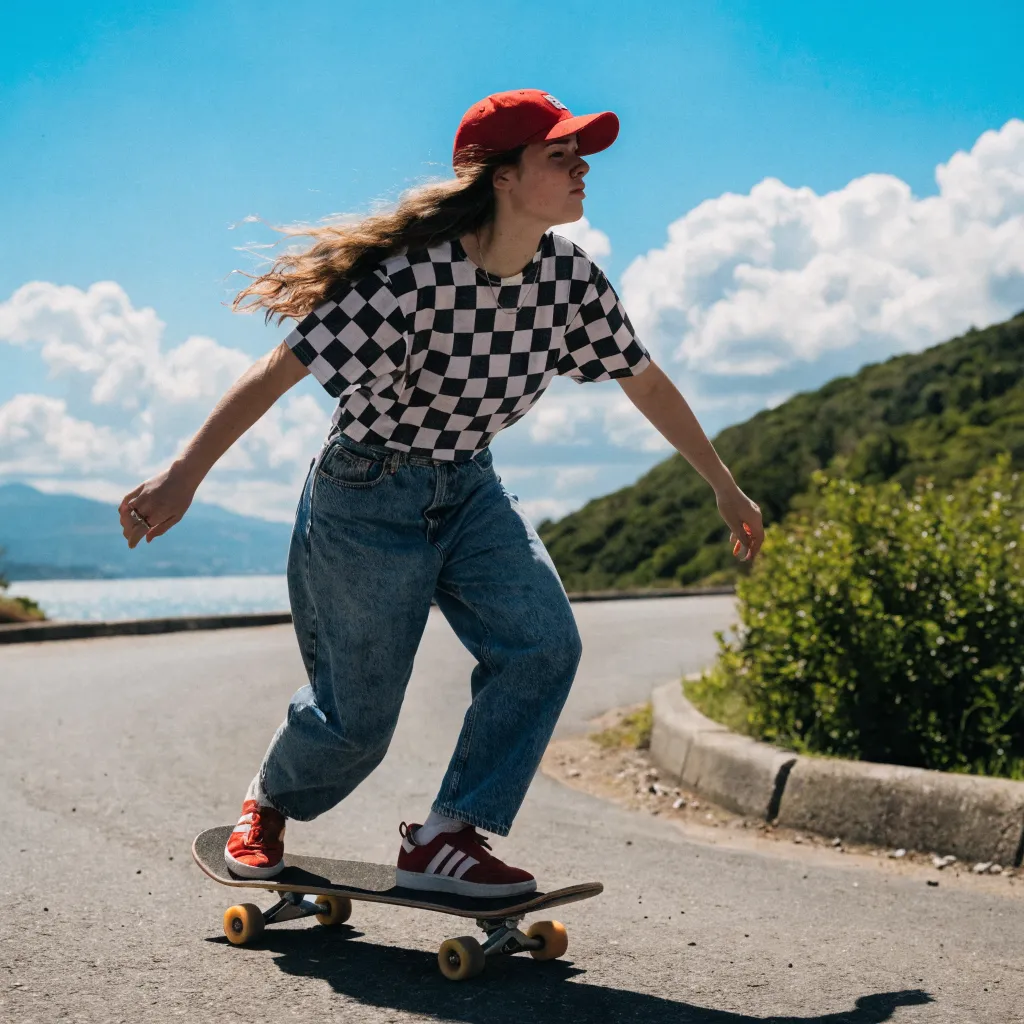
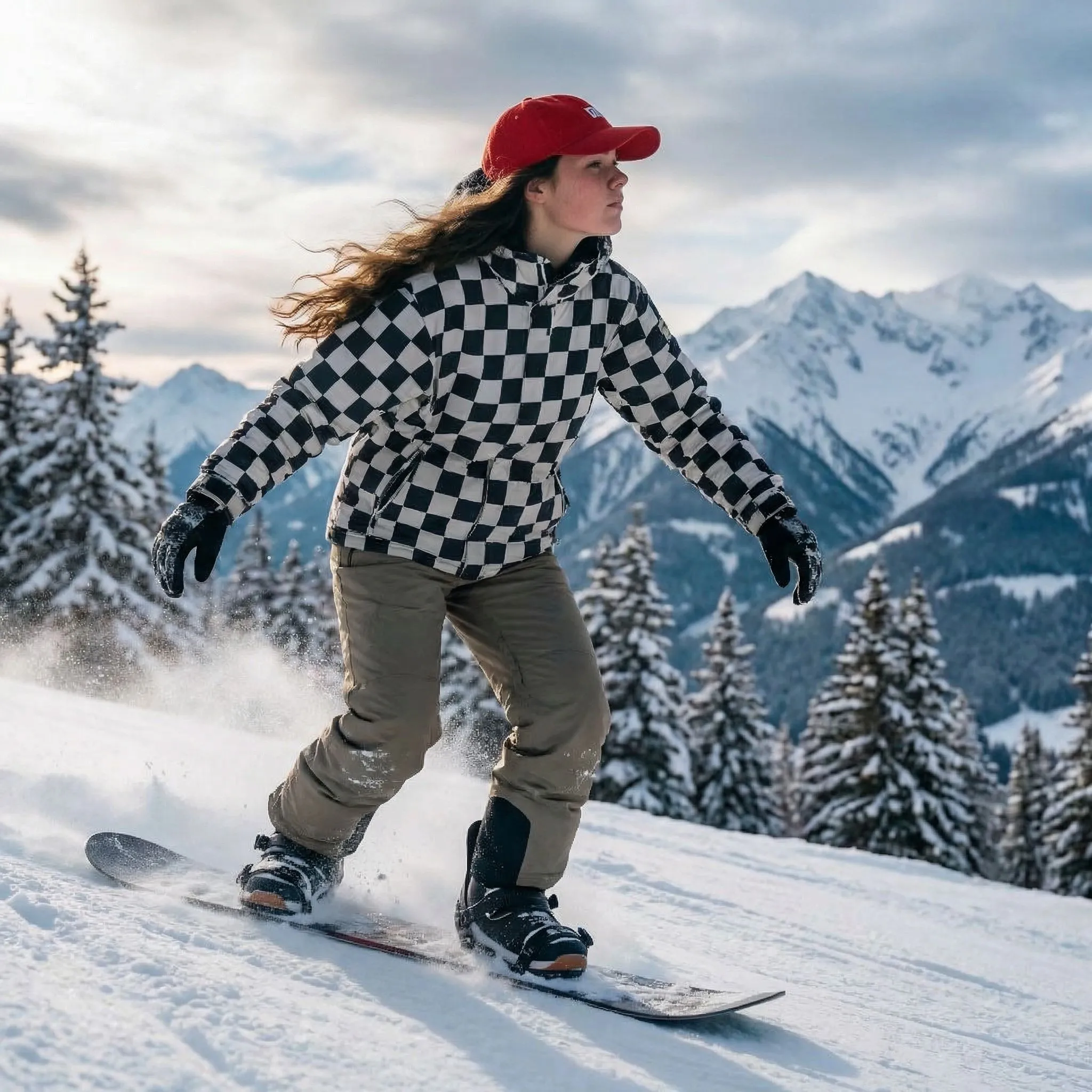
This tool does more than drop a filter over your picture. It runs your photo through a Qwen-Image-Edit model paired with a specialized Photo-to-Anime LoRA adapter that was trained on large collections of paired photographs and anime artwork. Because the model has learned how real faces, poses, and lighting map onto hand-drawn styles, it redraws your image rather than recoloring it. It keeps the identity of the face, the direction of the gaze, the pose of the body, and the play of light and shadow, then expresses all of that with clean line work, flat anime shading, and illustrated eyes. The output looks like an artist drew your photo, not like an effect was stamped on top of it.
Styles and what suits them
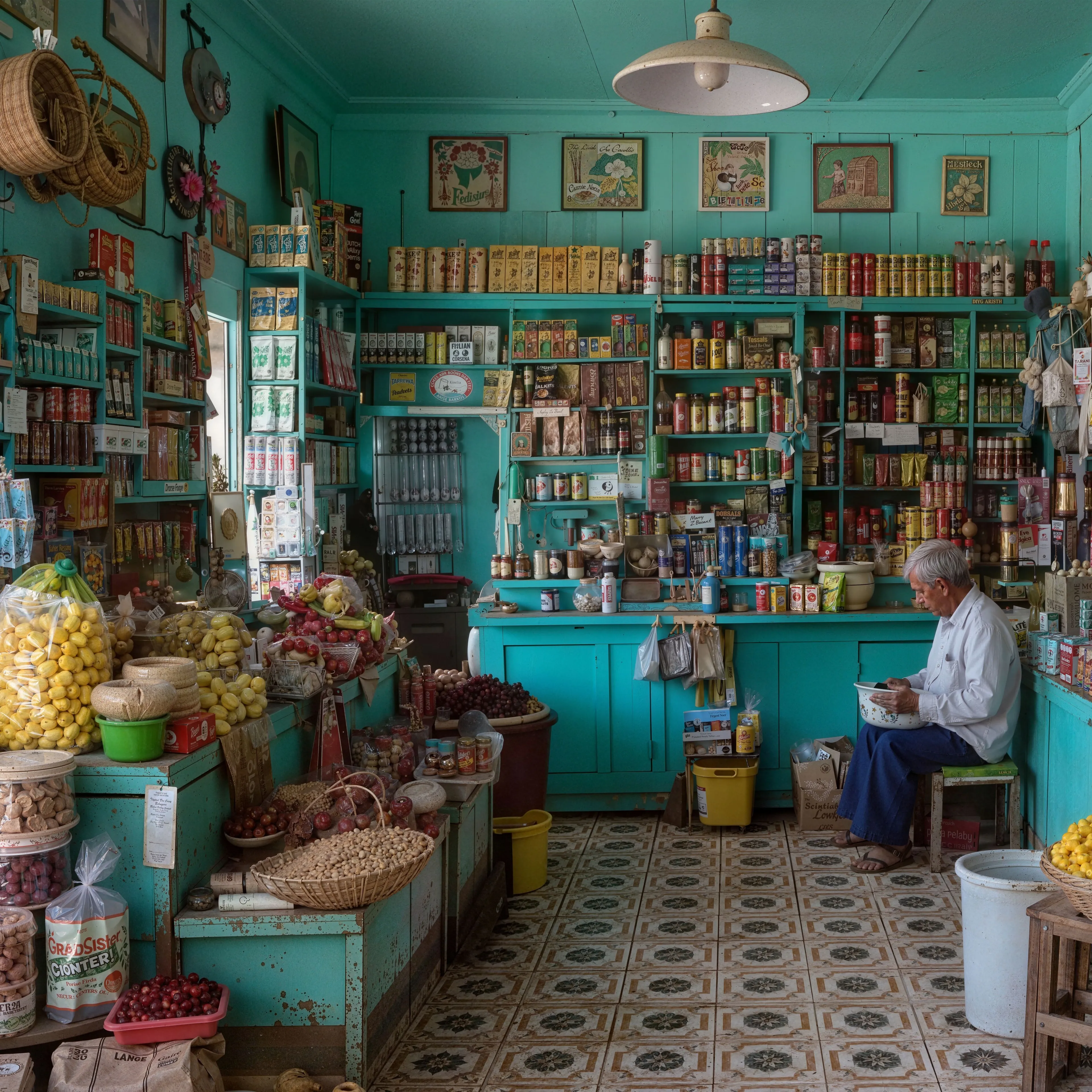
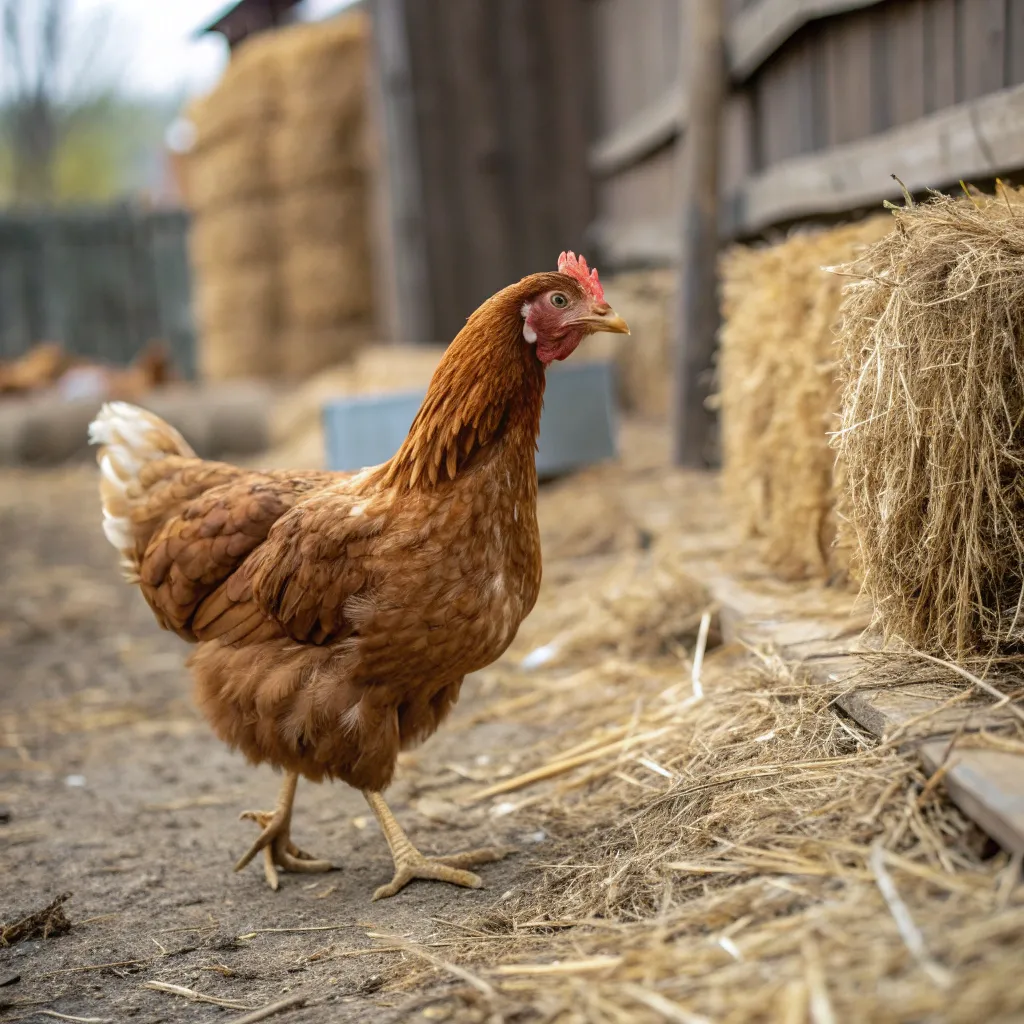
Anime is not a single look. Bright, soft styles with large eyes and gentle shading suit portraits, couples, and pet photos, where the goal is a warm, friendly illustration. Sharper, higher-contrast styles with bold outlines fit dramatic headshots, action poses, and gaming avatars. Painterly, background-heavy styles work well for landscapes and travel shots, turning a real scene into the kind of establishing shot you would see in an animated film. As a rule, the simpler and clearer your subject, the more faithfully any style can reproduce it, so a single well-lit subject converts more cleanly than a busy group scene. If you are after a western look instead, the free photo to cartoon converter covers that style family, and the free anime to real tool goes the opposite direction, turning drawn art into a photoreal image.
Common uses
People reach for anime conversion in a few familiar ways. The most popular is profile pictures and avatars for social platforms, messaging apps, and gaming handles, where a stylized portrait stands out more than a plain photo. Many people post the before-and-after on social feeds for fun, or turn a favorite shot into a gift or print for friends and family. Creators and tabletop players use it to generate character and comic references, giving them a consistent illustrated starting point for a persona, a story, or a campaign.
Getting the best conversion
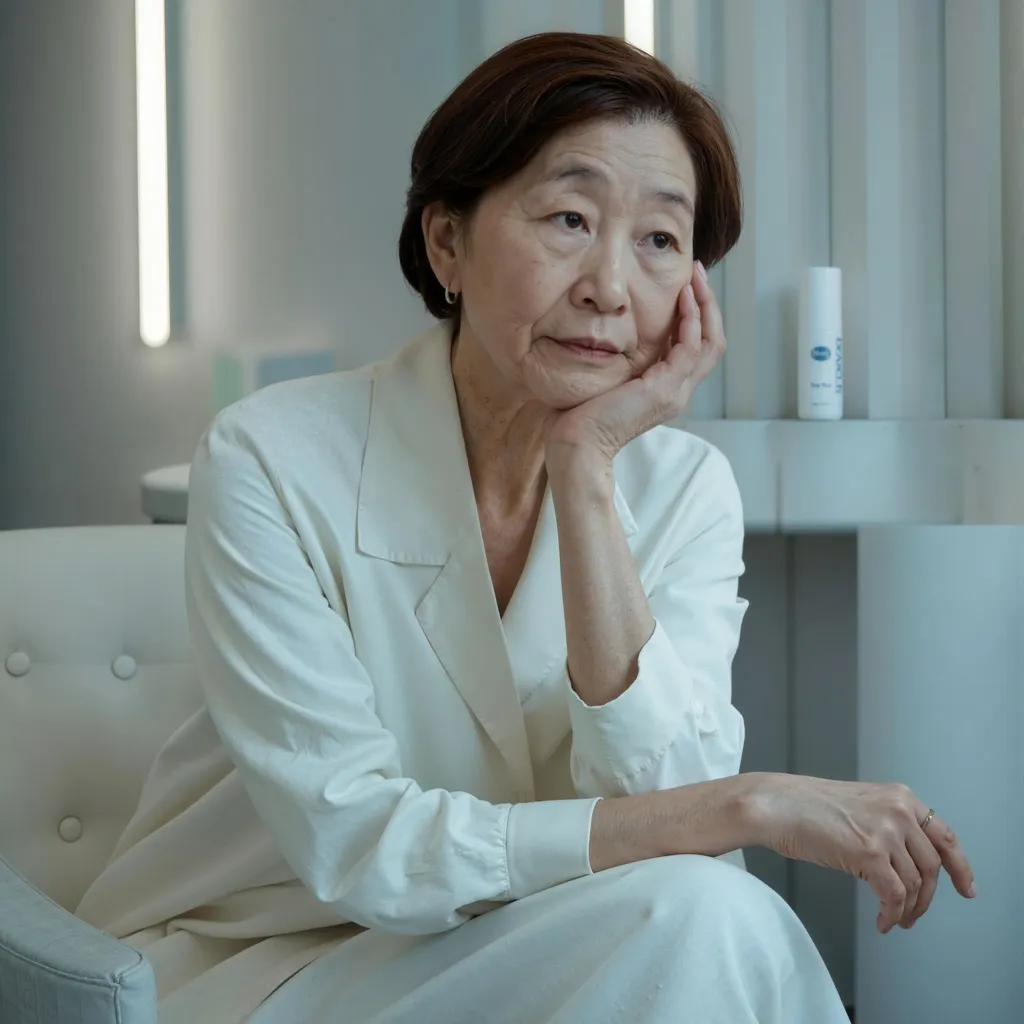
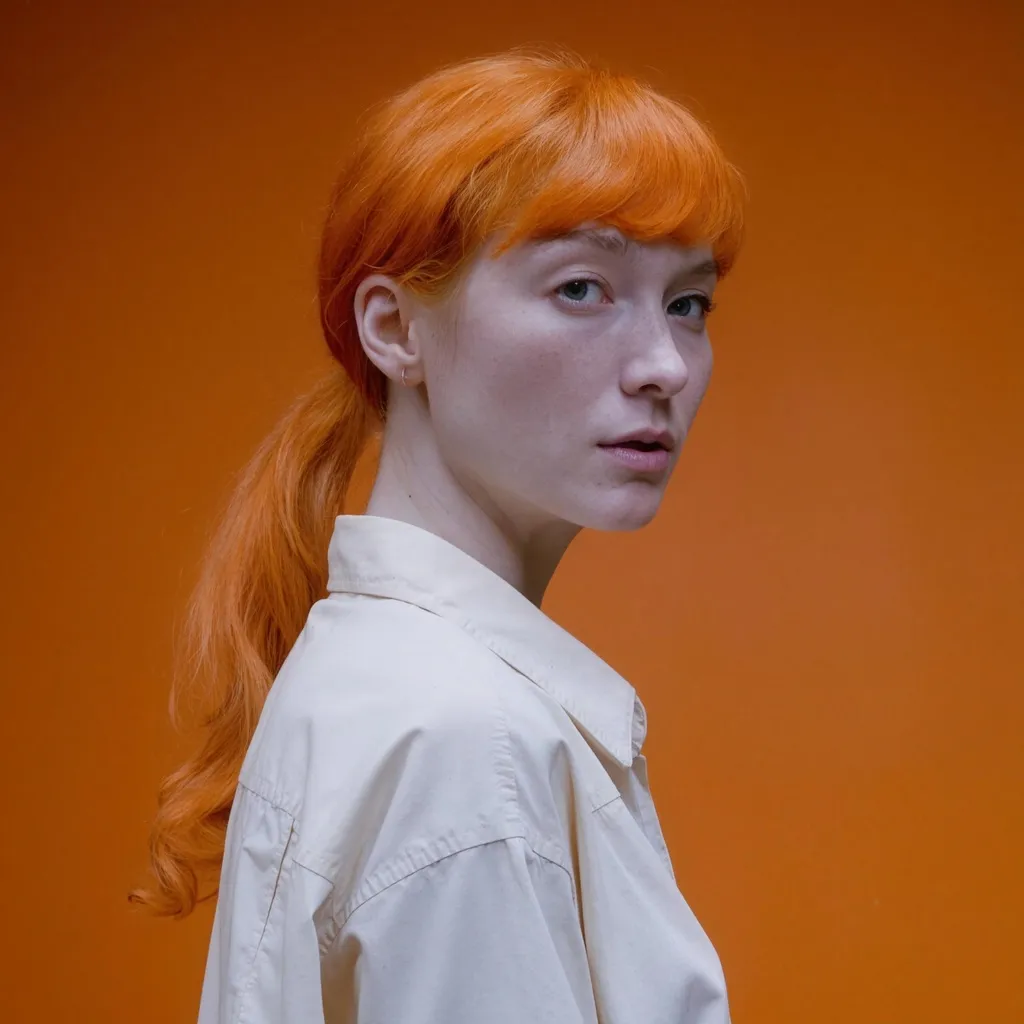
A few simple habits raise the quality of every result. Start with a clear face and a simple background, since clutter competes with your subject and confuses the redraw. Portraits work best, so frame the head and shoulders rather than a full-length shot taken from far away. Even, natural lighting helps the model read facial features accurately, while harsh shadows or heavy backlighting can flatten them. A sharp, in-focus source also matters, because the model follows the edges it can see. If a result is not quite right, try again with a tighter crop or a cleaner photo before changing anything else.