
What the headshot generator actually does
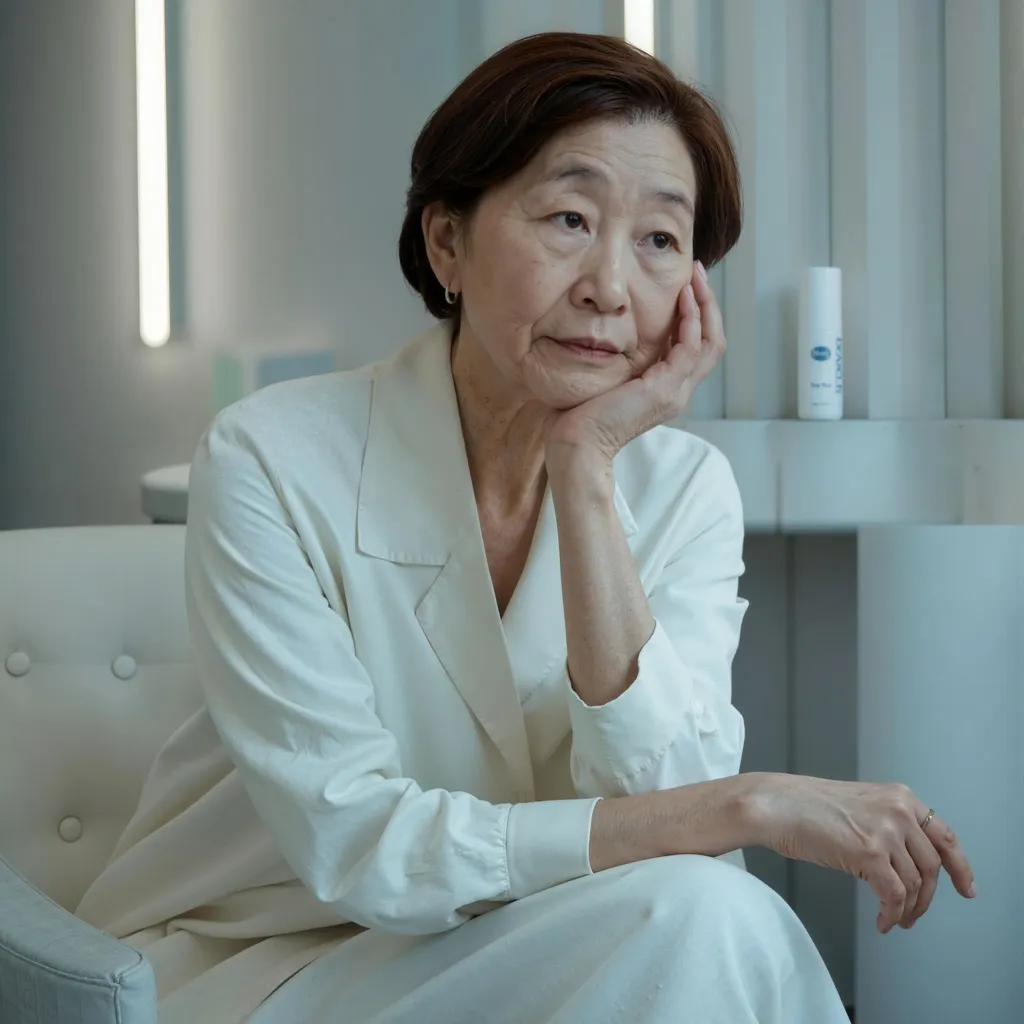
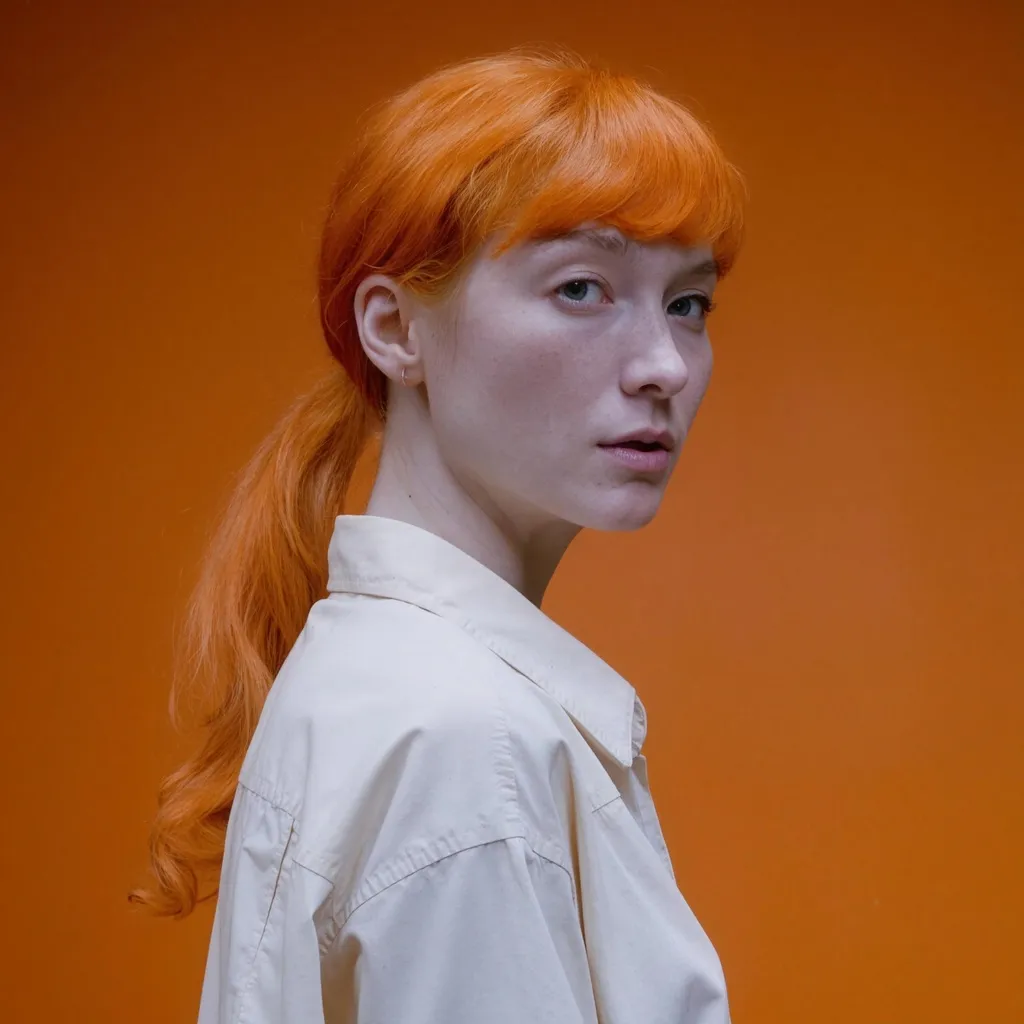
A professional headshot is mostly staging: attire, backdrop, and light. Qwen Image Edit restages your single photo accordingly: it swaps clothing for the attire you pick, replaces the scene with a studio-grade backdrop, and relights everything with soft, even light, while keeping your face, features, and expression exactly as they are. The result reads as a photograph taken in a studio, not a generated avatar that merely resembles you.
That identity preservation is the practical difference from most headshot generators, which train a model on a dozen uploads and then synthesize new faces. Here nothing about your face is regenerated; the restaging happens around it, from one photo, in seconds.
Where to use it
LinkedIn and other professional profiles, company team pages, conference speaker bios, resumes, and applications. Pick the attire that matches the context: the suit for corporate profiles, smart casual for startups, scrubs for healthcare roles, creative casual for design and media. The neutral gray backdrop is the safest choice for platforms that crop aggressively; the office and outdoor options add depth when the photo is shown large.
Getting the best input photo
Use a sharp, front-facing photo with your whole face visible and reasonable lighting; casual is fine, that is the point. Avoid sunglasses, heavy shadows across the face, and extreme angles. If your only usable photo is blurry or low-resolution, run it through the free AI face restoration first. The headshot returns at about one megapixel, more than any profile picture needs; print use is the one reason to enlarge it with the free AI image upscaler. The upload itself is transient and expires once the headshot is rendered.