Aging a face without losing the person
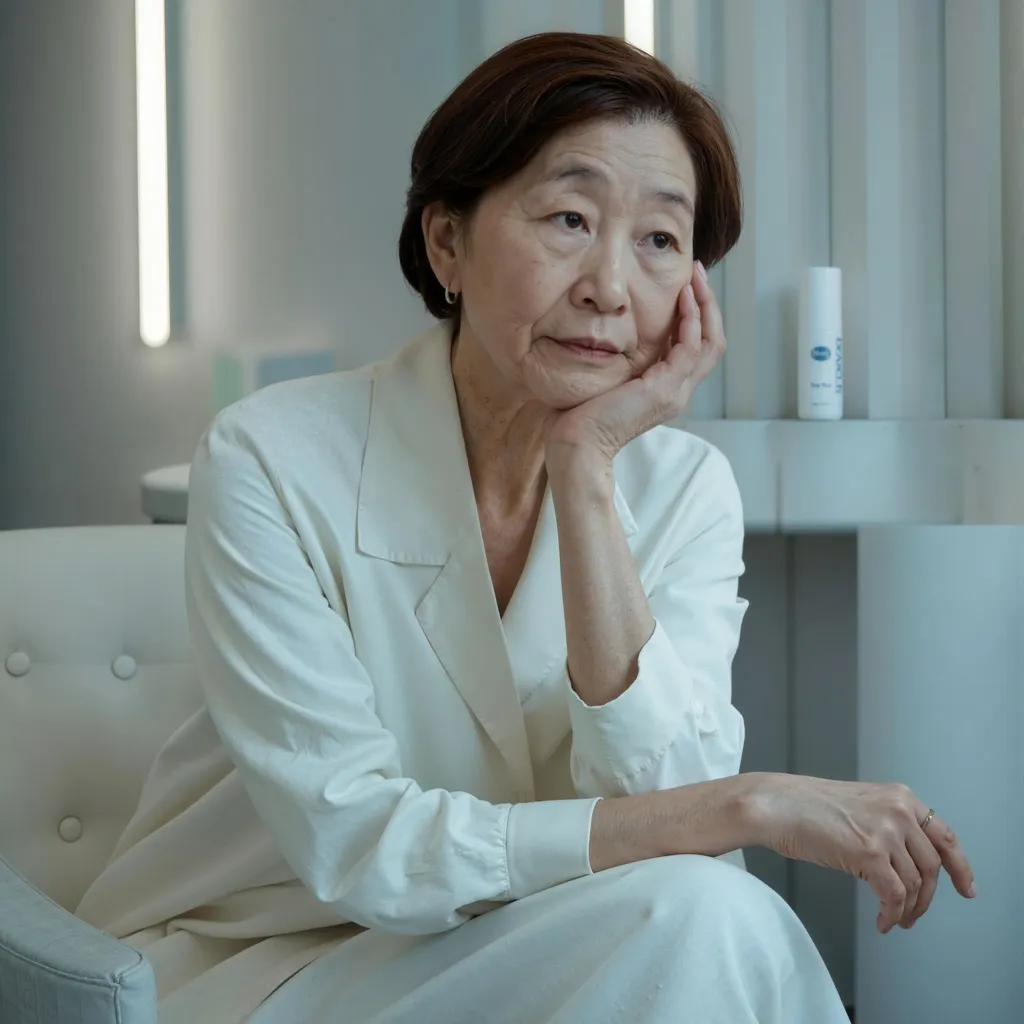
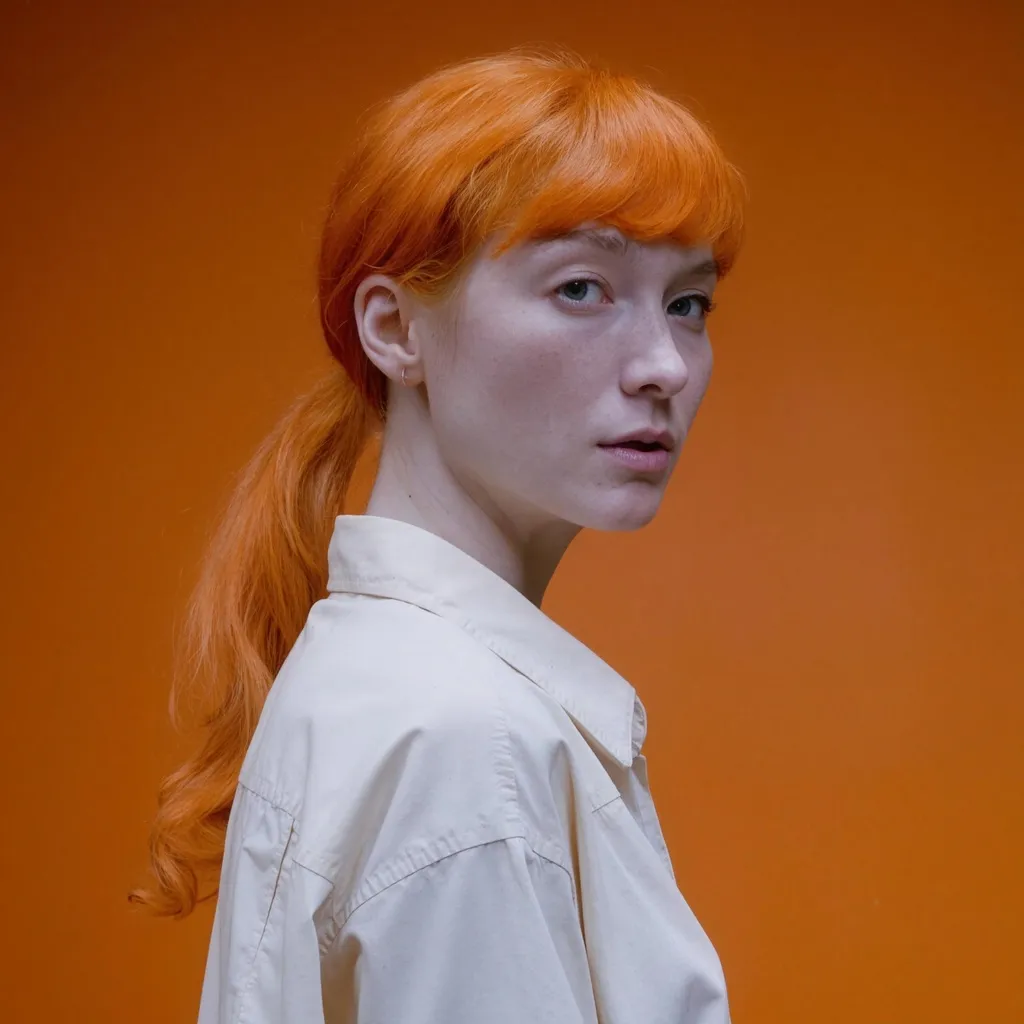
The instruction driving this tool is built around one constraint: the person must stay the same person. Pick a target age, a young child, a teenager, an adult in their 30s or 50s, or an elderly person in their 70s, and Qwen Image Edit re-renders the face at that stage of life: skin, hair color and density, and facial volume shift the way aging actually changes them, while bone structure, expression, lighting, and background stay put.
It works in both directions. Aging forward shows you or your partner at seventy; going backward turns a recent photo into a plausible childhood portrait. Because the identity anchors are kept, the results read as family-photo real rather than face-swap uncanny.
Popular uses
Couples generating their older selves, memorial and anniversary projects, curiosity about how a child might look grown up, casting and costume references, and classroom demonstrations of aging. If the source photo is blurry or low-resolution, restore it first with the free AI face restoration so the age transform has real detail to work from. For a polished older-you portrait, run the result through the free AI headshot generator afterward.
What to expect
This is a visualization for fun and creative projects, not a forensic prediction: real aging depends on genetics, lifestyle, and decades of environment that no photo carries. Expect a believable rendering of how your features carry across ages, not a document of the future. The tool accepts JPG, PNG, and WebP up to 4096px per side; results land near one megapixel, and the free AI image upscaler can enlarge them if needed. Your photo is kept only for the moments the transform takes, then it expires.