About the free AI face restoration tool
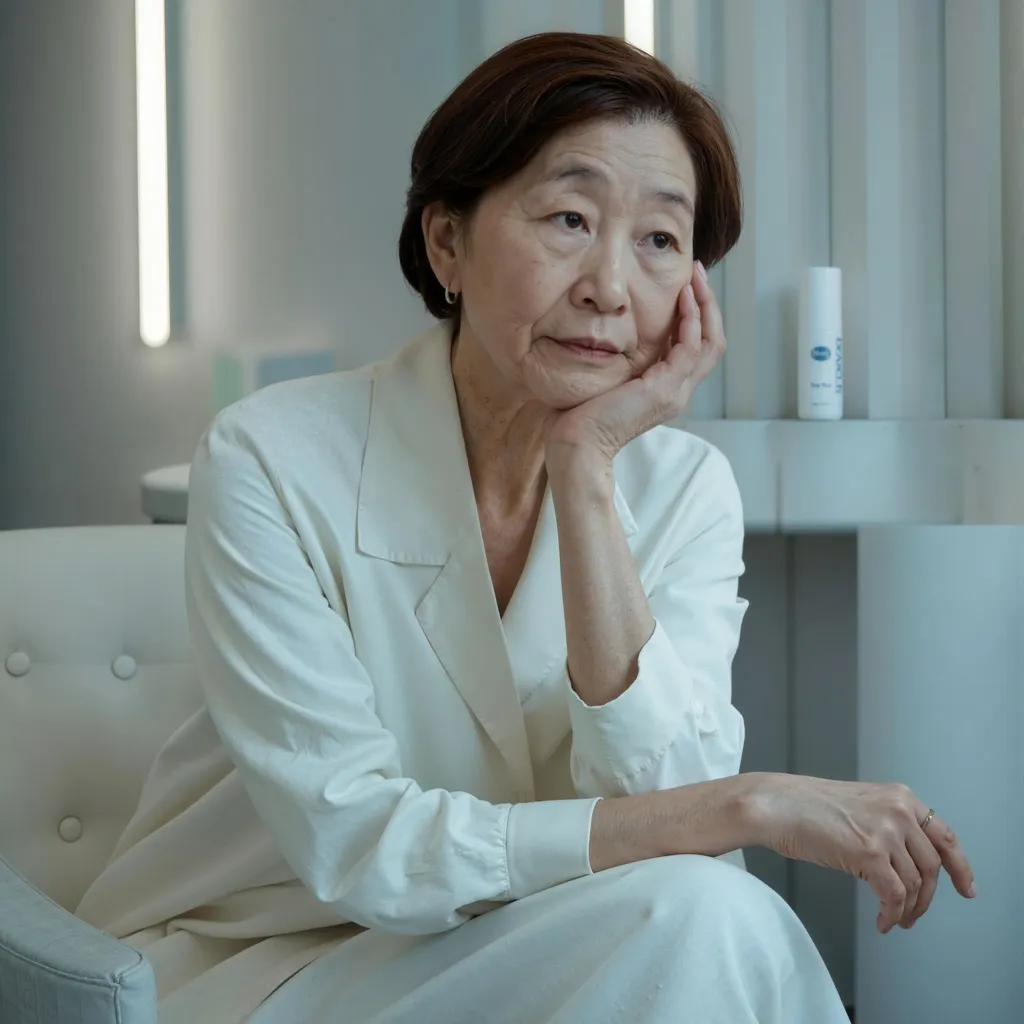
Faces are the first thing we look at in any photo, and the first thing that low resolution, compression, or age destroys. This tool runs GFPGAN, a face restoration model trained specifically to rebuild realistic facial detail: sharp eyes, defined eyebrows, natural skin texture, and clean edges around hair and glasses. It detects every face in the photo, restores each one, and blends them back into the picture, while a photographic upscaling model enlarges the rest of the image 4x in the same pass, so the sharp faces sit on an equally clean background instead of the original noise.
It works remarkably well on the classic problem cases: scanned prints from family albums, faces that are tiny because they were far from the camera, heavily compressed images saved through years of messaging apps, and photos taken on early digital cameras and phones. Because restoration and upscaling happen together, the result is both sharper and larger than the original, ready for printing or reposting.
Part of a restoration workflow
For heavier work, Upsampler's premium upscaler does face enhancement and enlargement up to 100MP in one pass, with one-time credits instead of a subscription. Old black-and-white photos can also be colorized with the free photo colorizer after restoring, and photos without faces are best served by the free AI image upscaler directly.
Tips for the best results
The model needs to find a face to restore it, so frontal or three-quarter views work best; extreme profiles or mostly covered faces may be skipped. Very small faces benefit the most, and the effect is strongest on photos where the face is the blurriest part. If a restored face looks slightly too smooth, that is a known trait of face restoration models; comparing with the slider makes it easy to judge. The tool accepts JPG, PNG, and WebP up to 2048px per side (the output is 4x larger), and your uploads are processed transiently, never stored in a gallery.