About the free AI photo colorizer
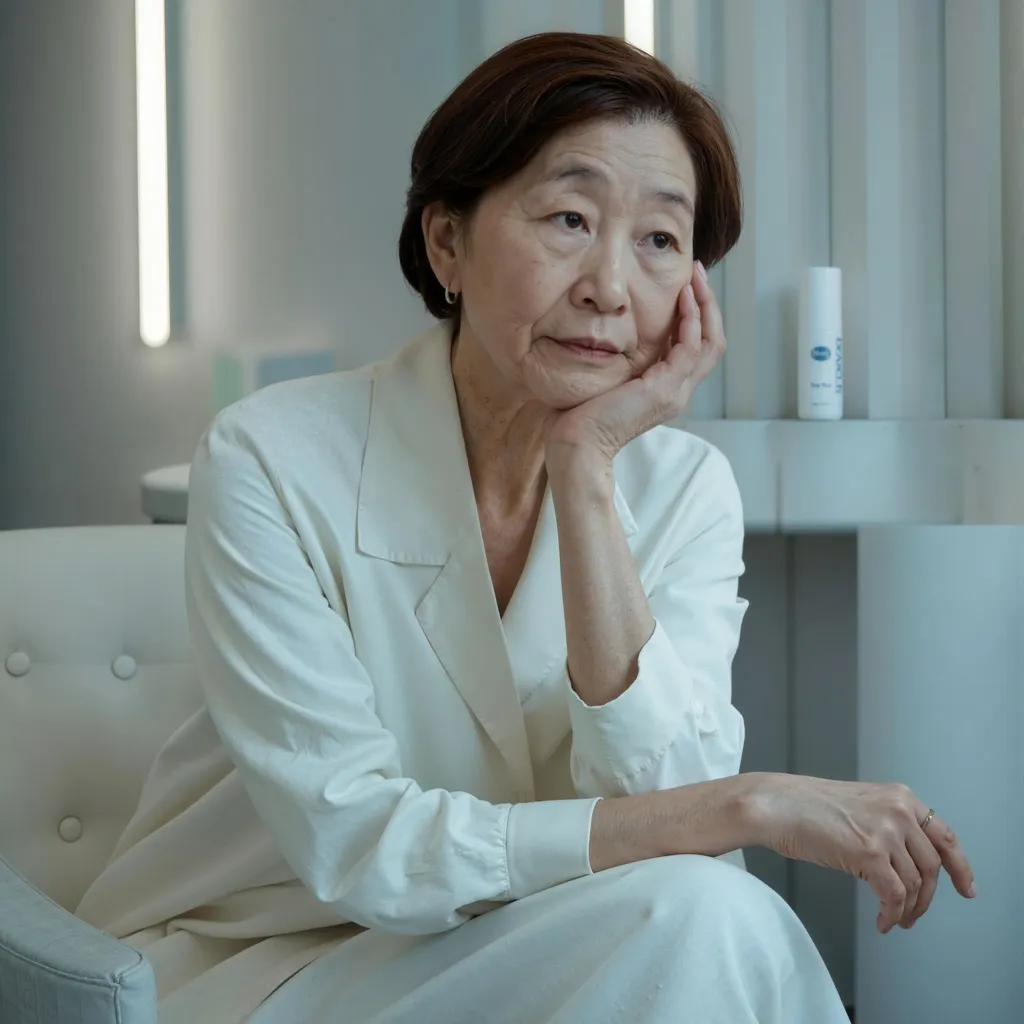
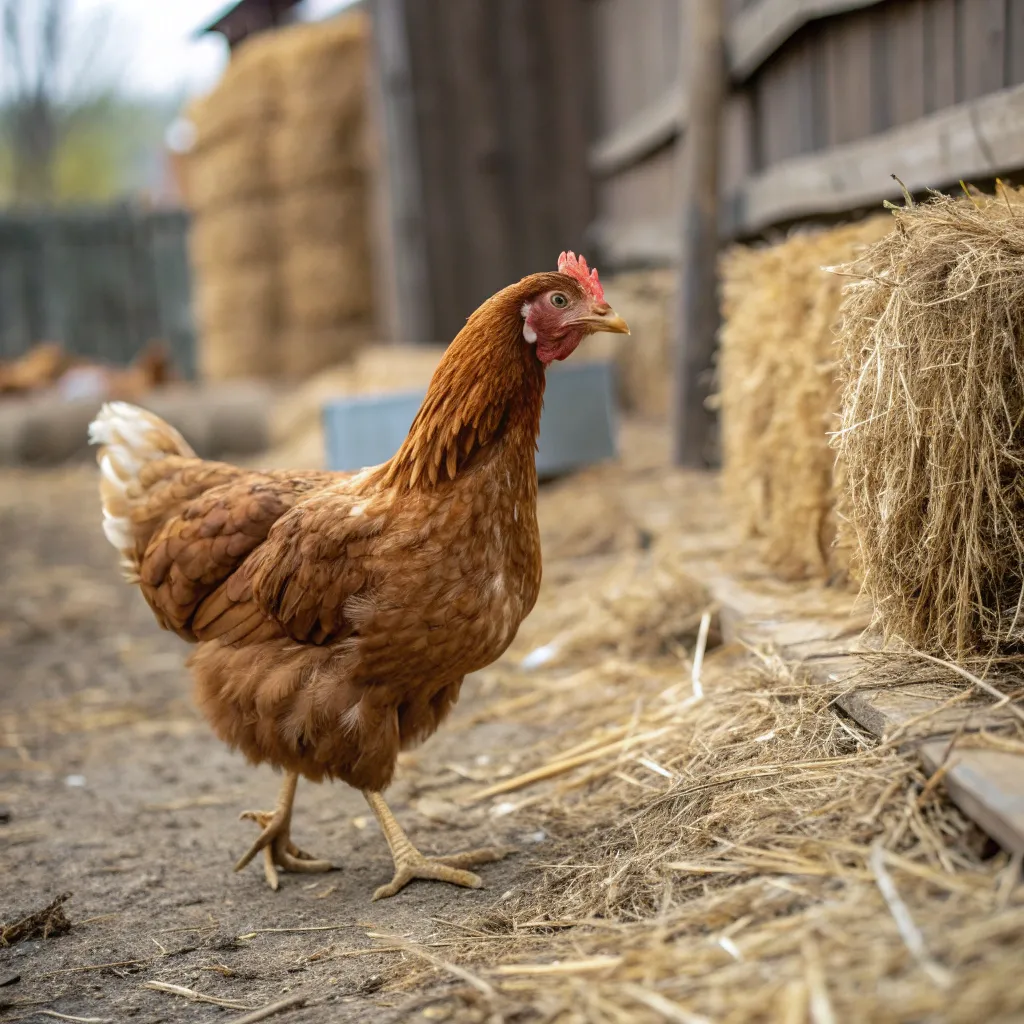
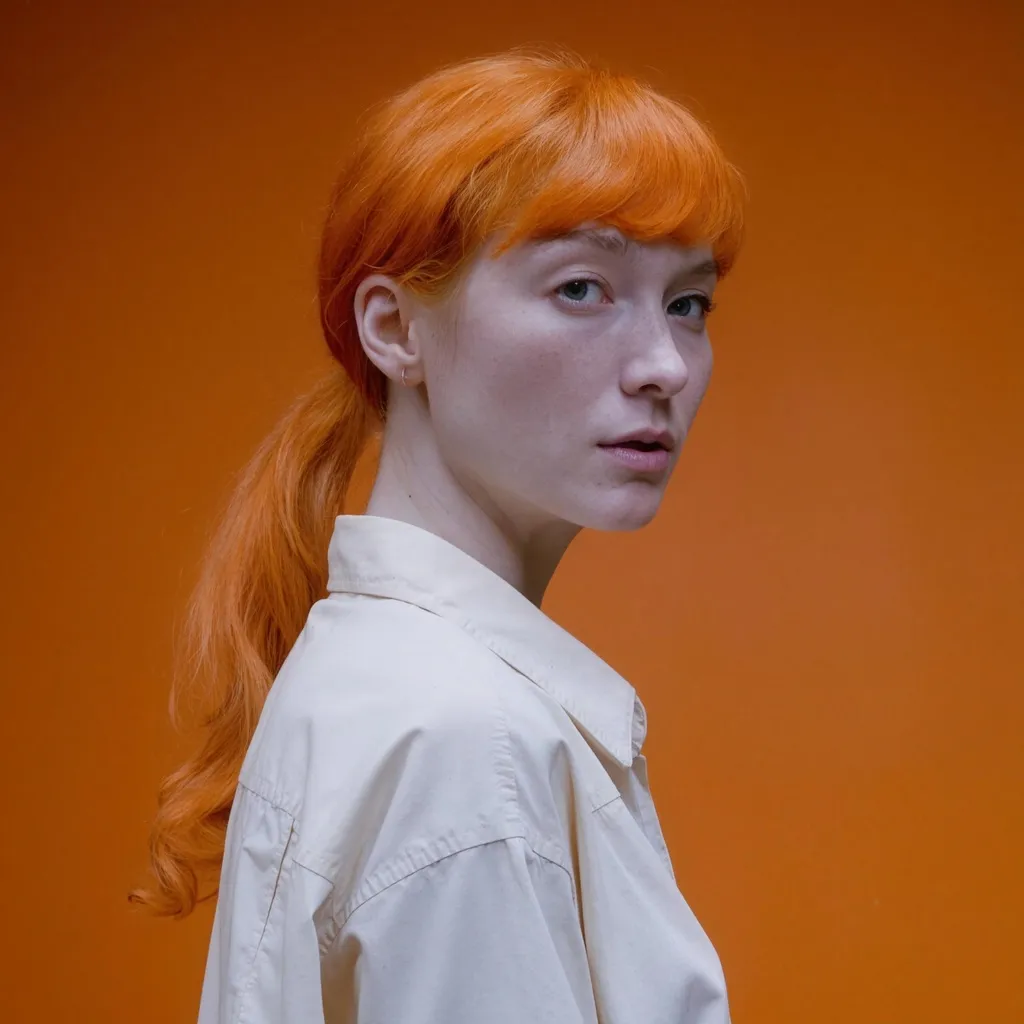
This tool runs Qwen Image Edit, a modern image editing model that understands what it is looking at before it adds color. It works out what each region actually is and assigns colors that fit: skin gets believable skin tones, foliage gets natural greens, skies stay coherent from horizon to zenith, and clothing picks up plausible distinct colors instead of a uniform beige tint.
Compared to older dedicated colorizers, this approach is noticeably better at the two classic failure modes: washed-out, muted color everywhere, and color bleeding across object boundaries. Because the model reasons about the scene, it also handles mixed cases well, like a faded print where some color survives, or a photo where only part of the image lost its color.
A restoration workflow for old photos
Colorization is usually the last step of bringing an old photo back. If the scan is blurry or the faces are soft, run it through the free AI face restoration first, then colorize the result here. To finish with a larger print-ready file, the free AI image upscaler enlarges the colorized photo, and Upsampler's premium upscaler goes up to 100MP with face enhancement, using one-time credits with no subscription.
What to expect
Colorization is a prediction, not a recovery; the AI cannot know that a particular car was red, only that its shape and context make red plausible. Historical accuracy of specific objects is therefore not guaranteed, but the overall result reads as a believable color photograph. The tool accepts JPG, PNG, and WebP up to 4096px per side, and the colorized image is re-rendered at roughly one megapixel; for prints, run the result through the upscaler linked above to bring the resolution back up. Uploads are processed transiently and never stored in a gallery.