How text to image generation works
A text to image model does not search a library of pictures and paste one back. It starts from a field of random noise and refines it step by step, nudging the pixels toward something that matches the meaning of your prompt. This is what a diffusion model does: during training it learned to reverse the process of adding noise to millions of captioned images, so at generation time it can walk backward from pure noise to a coherent picture that fits your words. Each model carries its own visual taste from the data it saw, which is why the same prompt can look photographic in one model and painterly in another. Understanding this helps you set expectations: the model is composing fresh detail to satisfy your description, not retrieving a stored result.
Writing prompts that work
The clearest path to a good image is a specific prompt. Name the subject first, then the setting around it, then the style you want, then the lighting, and finally the level of detail. A vague request like "a dog" leaves almost everything to chance, while "a golden retriever puppy sitting in tall summer grass, shot on film, warm backlight, shallow depth of field" gives the model concrete anchors for composition, mood, and finish. Concrete nouns and adjectives carry more weight than long abstract sentences, so favor words you can picture. If a result is close but not right, change one element at a time rather than rewriting everything, since small edits let you see exactly which word moved the image. Treat prompting as a short loop of describe, generate, and adjust.
What people create
Because the tool is fast and free, people reach for it across very different jobs. Designers and writers generate concept art to explore characters, environments, and product ideas before committing time to them. Marketers and social teams make visuals for posts, ads, and newsletters when stock photography feels generic. Builders produce quick mockups and placeholder imagery for slides, landing pages, and app screens. Creators make video and article thumbnails that need to grab attention, and individuals generate avatars and profile pictures with a consistent look. The common thread is speed: a usable image in seconds, with no watermark, so you can drop it straight into the work. When a result needs a tweak rather than a re-roll, the free AI image editor changes it with a plain text instruction, and the free AI video generator can animate it into a short clip.
Choosing a model
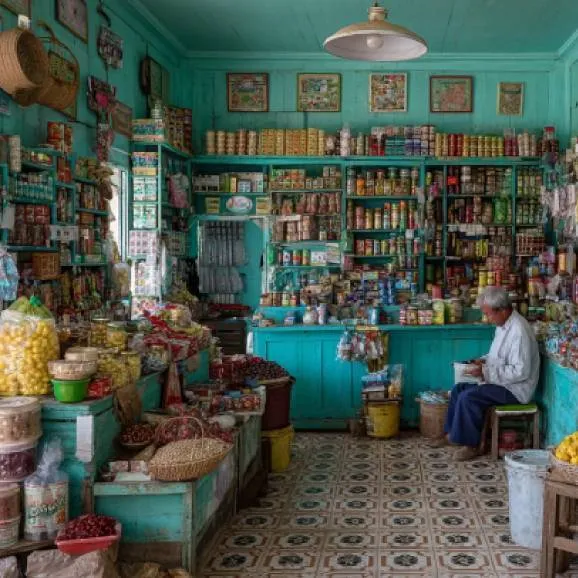
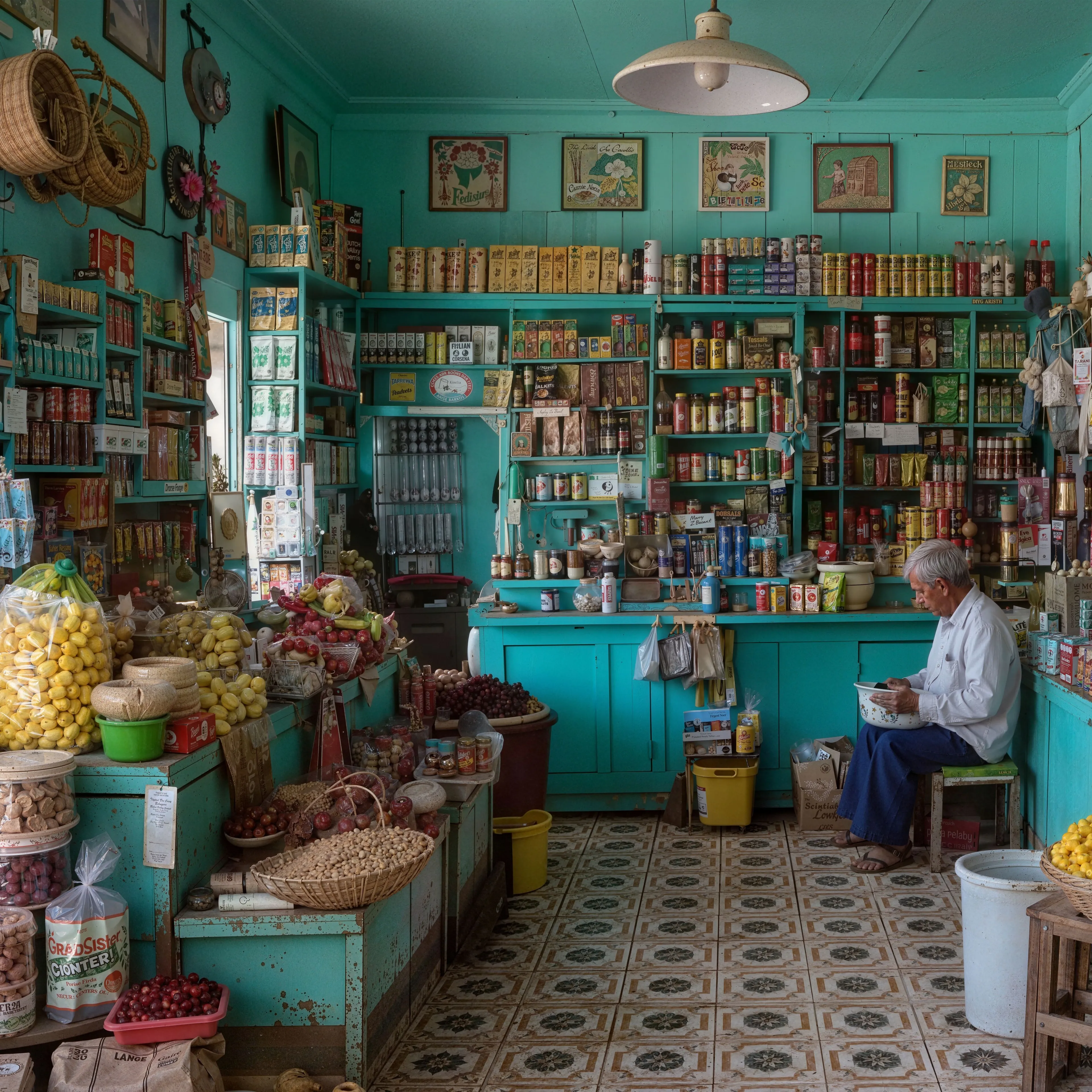
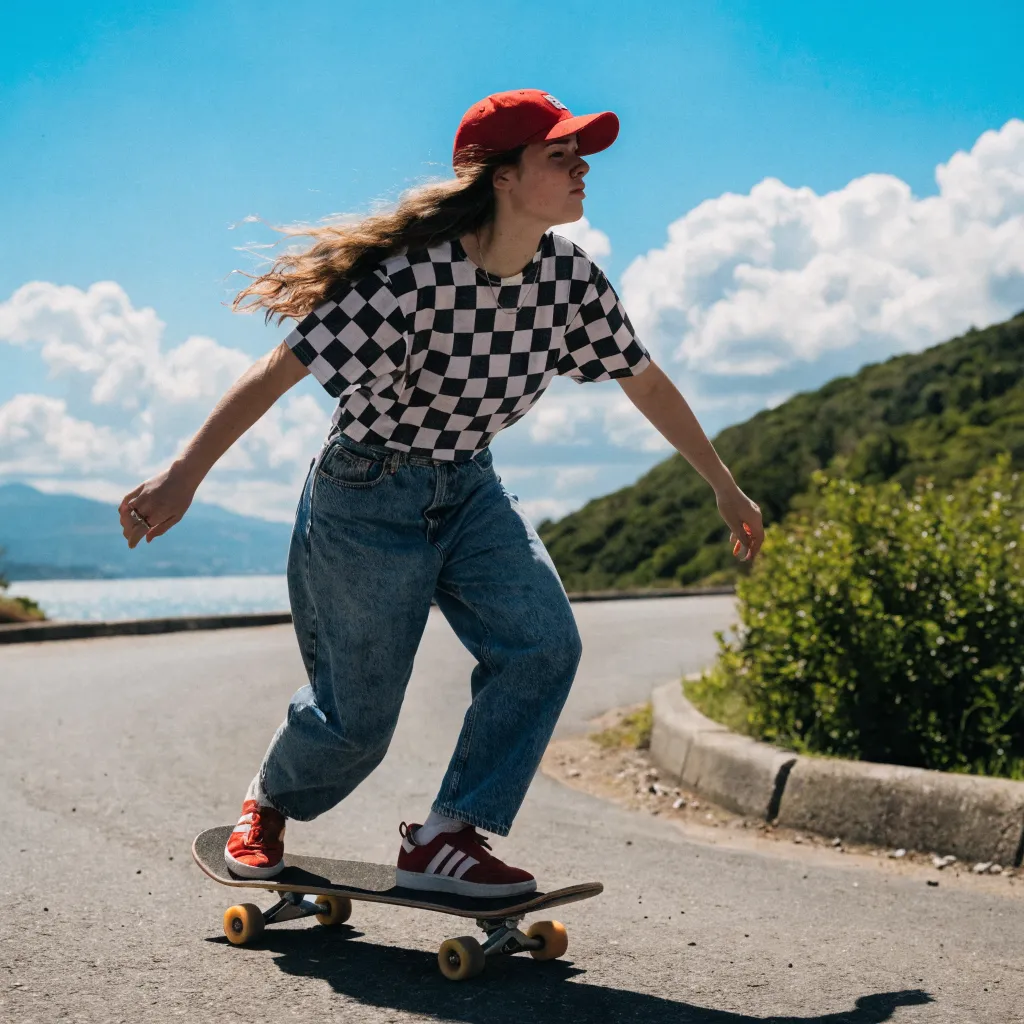
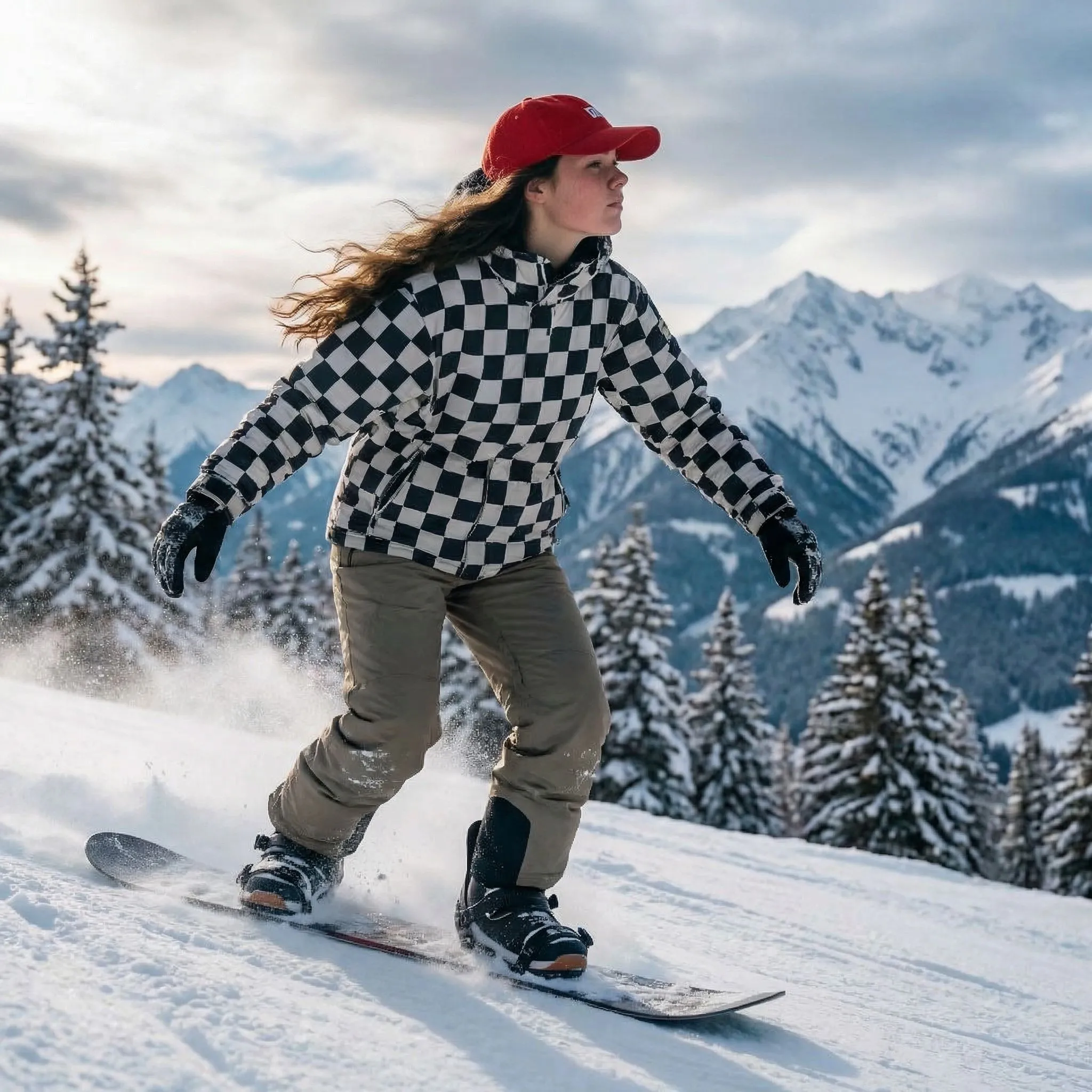
This generator offers two models, and they are not interchangeable. Z-Image Turbo is built for speed and leans hyperrealistic, excelling at photographic light and texture, while Flux 2 Klein 4B is Black Forest Labs' compact model, trading a little speed for prompt fidelity and fine detail. They differ in how literally they follow a prompt, so the practical advice is simple: run the same prompt through both and compare. One will usually match the look you are after with less fiddling, and once you find it for a given style you can keep using it. When you need the strongest models, larger output sizes, and more control over the result, the premium image generation on Upsampler removes the limits of the free tool.