Seeing a drawn character in real life
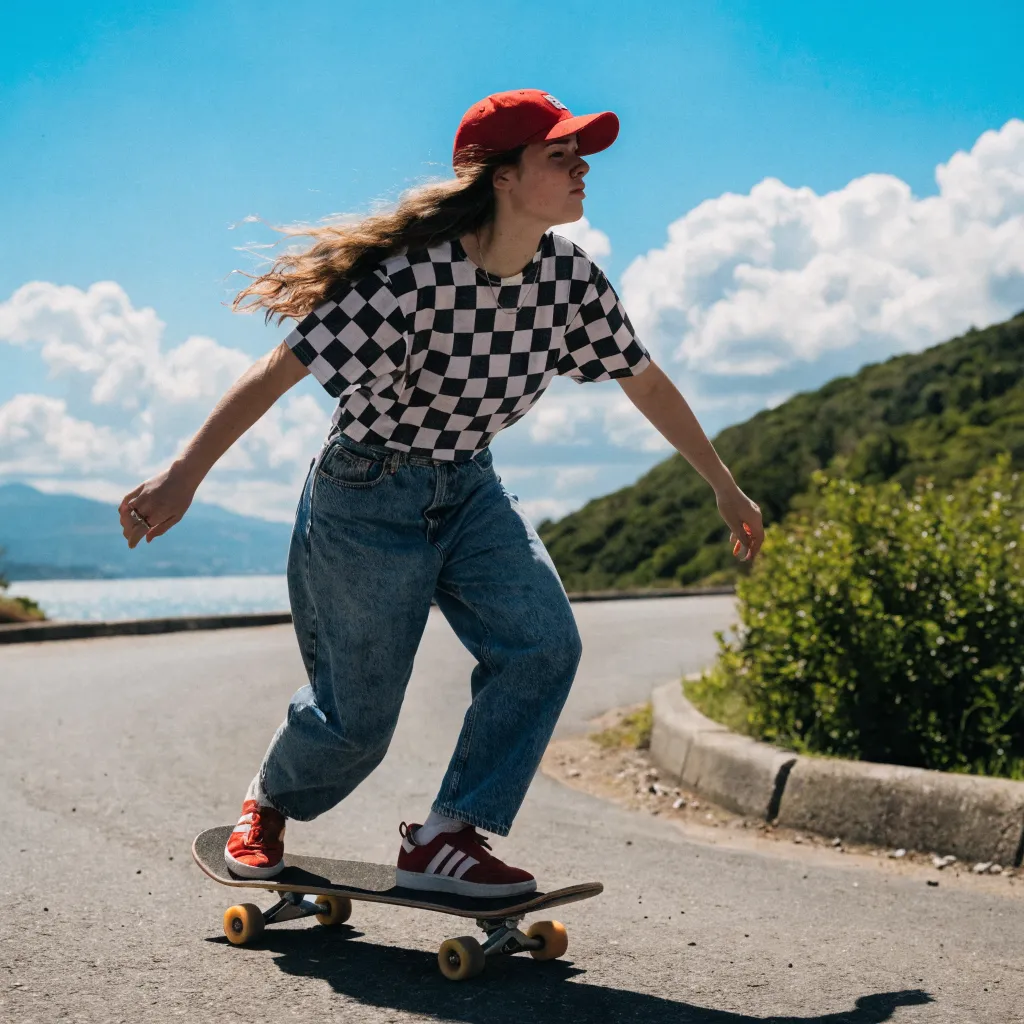
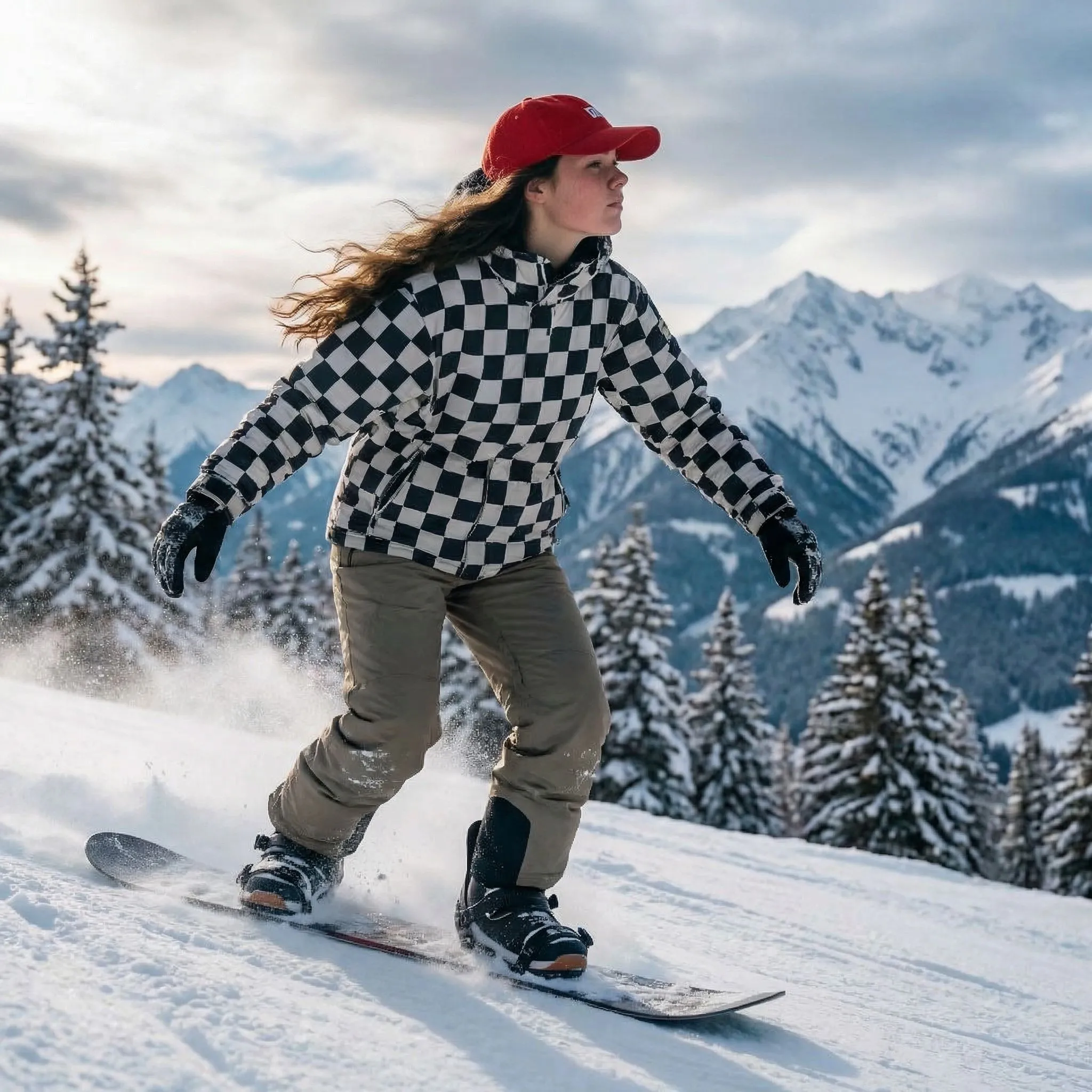
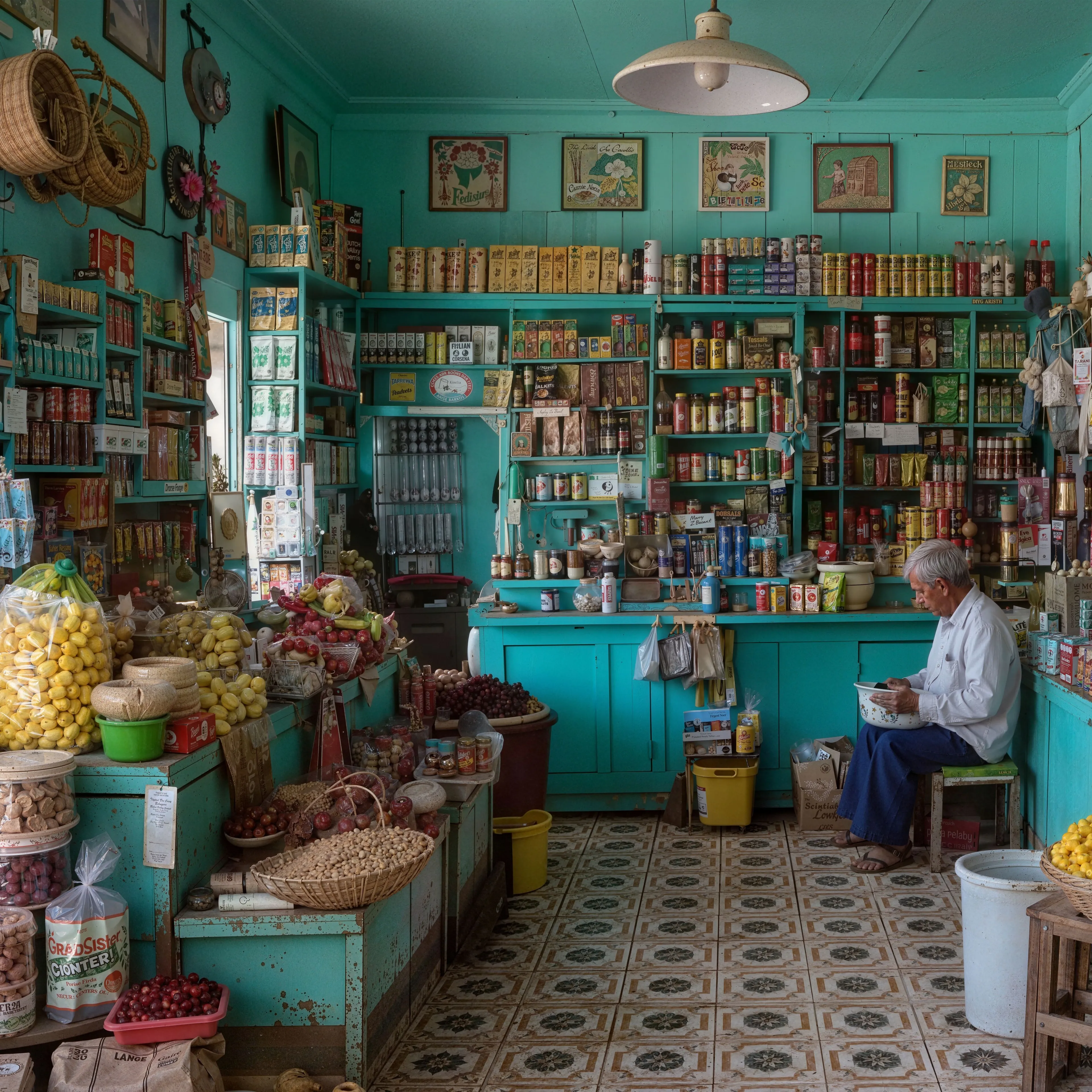
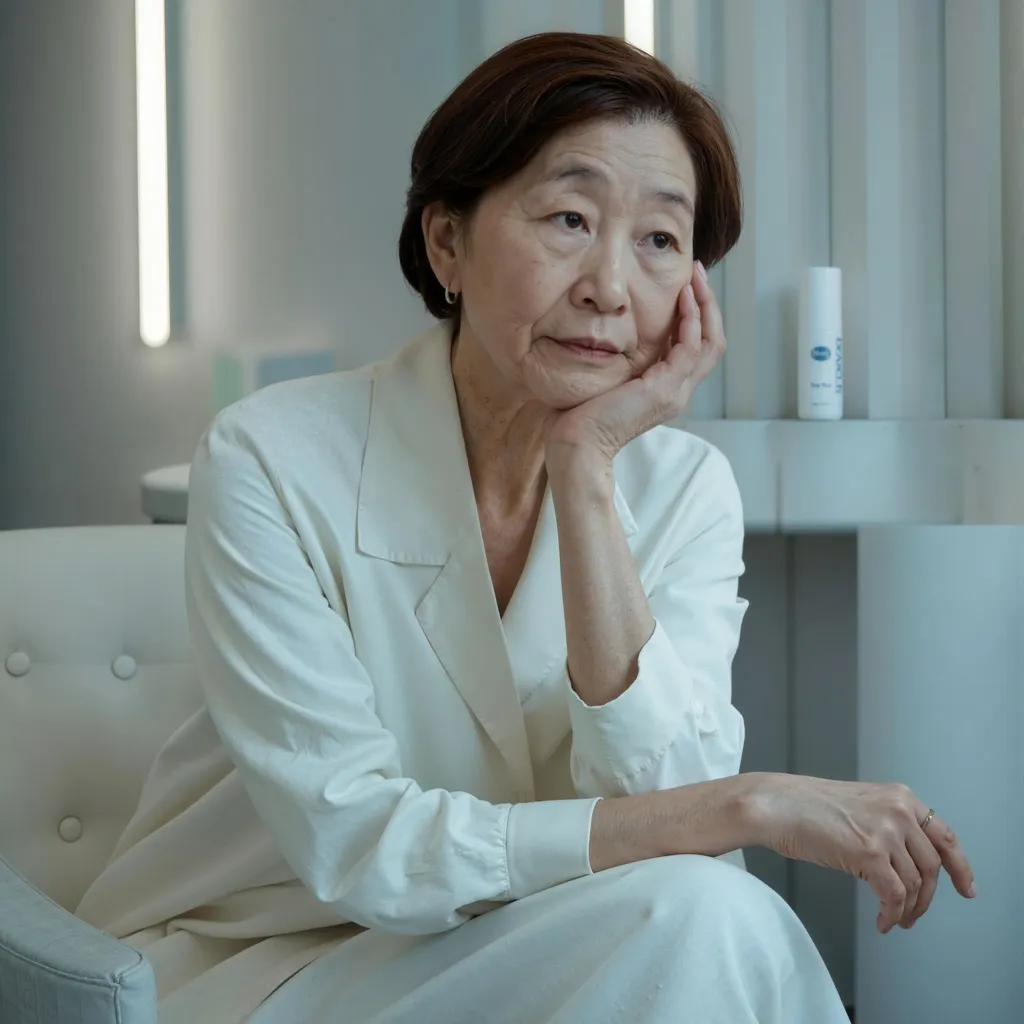
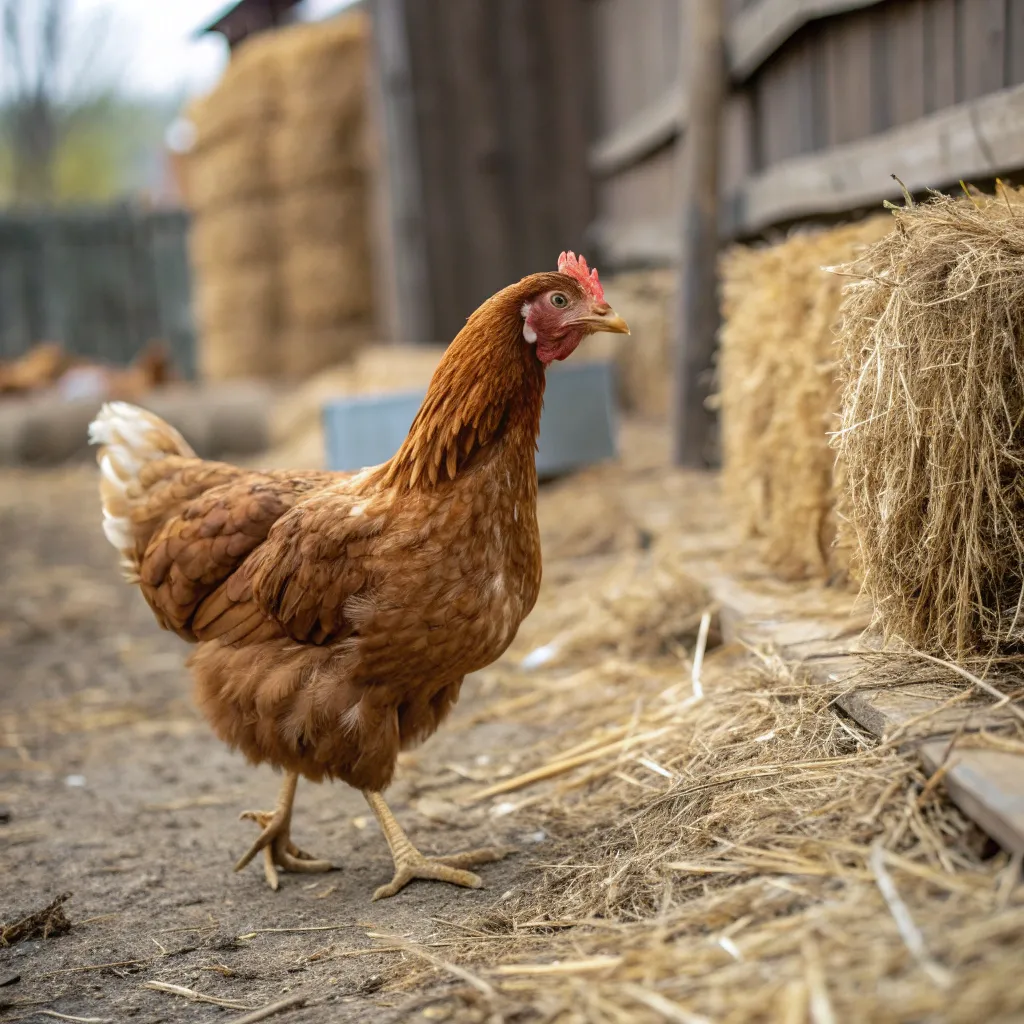
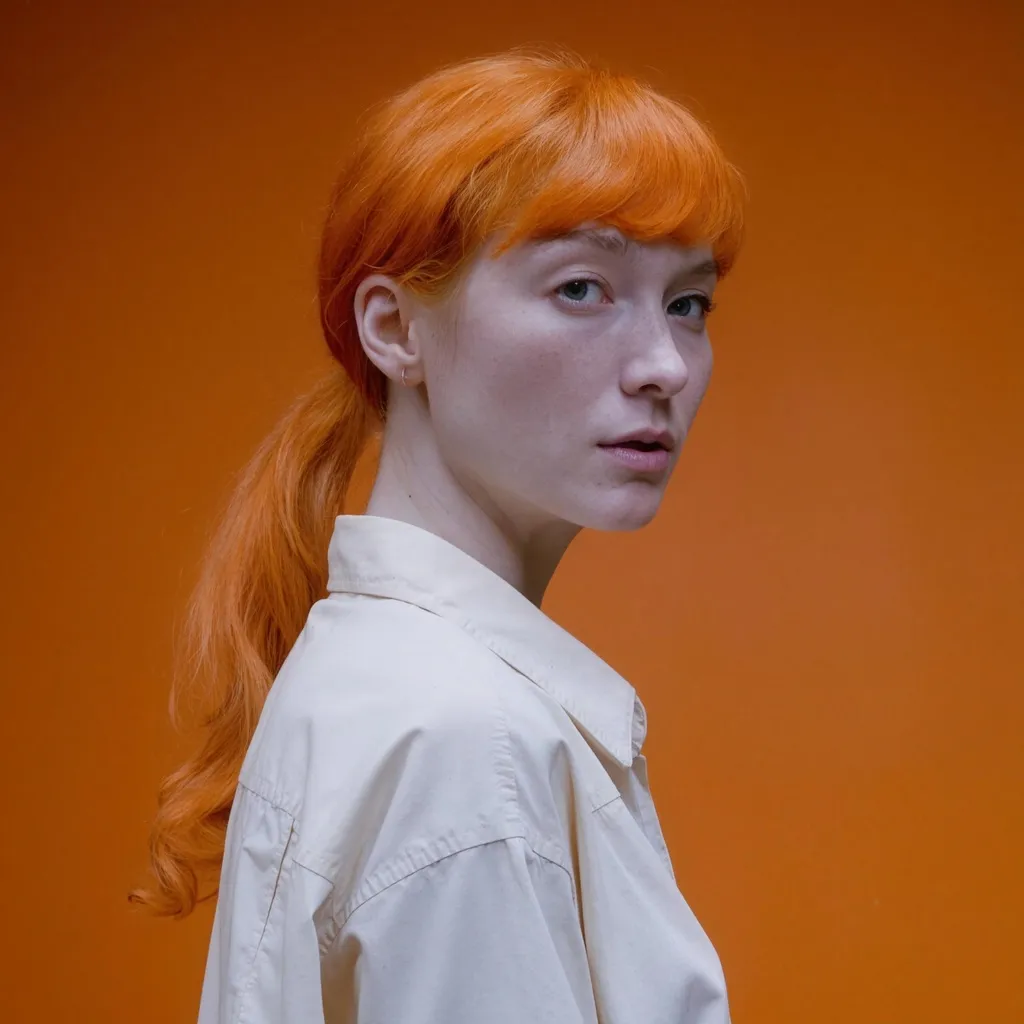
Most style tools travel in one direction: photograph in, illustration out. This one runs the trip backwards. It takes drawn art and re-renders it as a photograph, inventing the detail a drawing never had in the first place. Flat cel-shaded skin gains pores and subsurface warmth, ink-line hair separates into individual strands, a block of solid color becomes cotton with a weave and a wrinkle, and the flat background picks up real depth of field.
The hard part is doing all that without inventing a different person. The model reads the drawing first, so the features that identify the character carry across: face shape, expression, hairstyle, outfit, and the framing of the shot. What changes is the medium, not the subject. That is what makes the result feel like a photograph of that character rather than a photograph of a stranger who dresses similarly.
What you can feed it
Anime screenshots and character art are the obvious case, but the conversion is not fussy about where the drawing came from. Manga panels work, including plain black-and-white lineart with no color at all, where the model has to choose plausible hair, skin, and clothing colors from scratch. Comic art, webtoon panels, game character renders, painted portraits, and 3D cartoon stills all convert too.
Full-body shots and clear portraits convert most reliably. Highly stylized proportions, chibi art with oversized heads, or characters with anatomy no human has will produce the loosest results, since the model has to reconcile the drawing with a real body. Busy group scenes are handled, but faces further back get less attention than the subject in front.
The opposite direction, and the rest of the set
If you want to travel the other way, the free photo to anime converter turns your photograph into anime art, and the free photo to cartoon converter gives the bolder comic-book look. Running a photo through one of those and back through this page is a quick way to see how much of a likeness survives a round trip.
Realistic output invites close inspection, so detail matters more here than on stylized tools. The photograph renders at about one megapixel; if you want it larger, the free AI image upscaler enlarges it, and the free face restoration tool sharpens facial detail specifically if a face lands soft.
What to expect
The tool accepts JPG, PNG, and WebP up to 4096px per side, and re-renders at roughly one megapixel matching your input's aspect ratio. Everything runs on shared free GPUs, so a conversion takes around twenty to thirty seconds depending on queue depth. Your upload lives on the GPU only while the photo renders, then the transient files expire. Nothing is saved to a gallery and nothing is used for training.