
True vector tracing in your browser
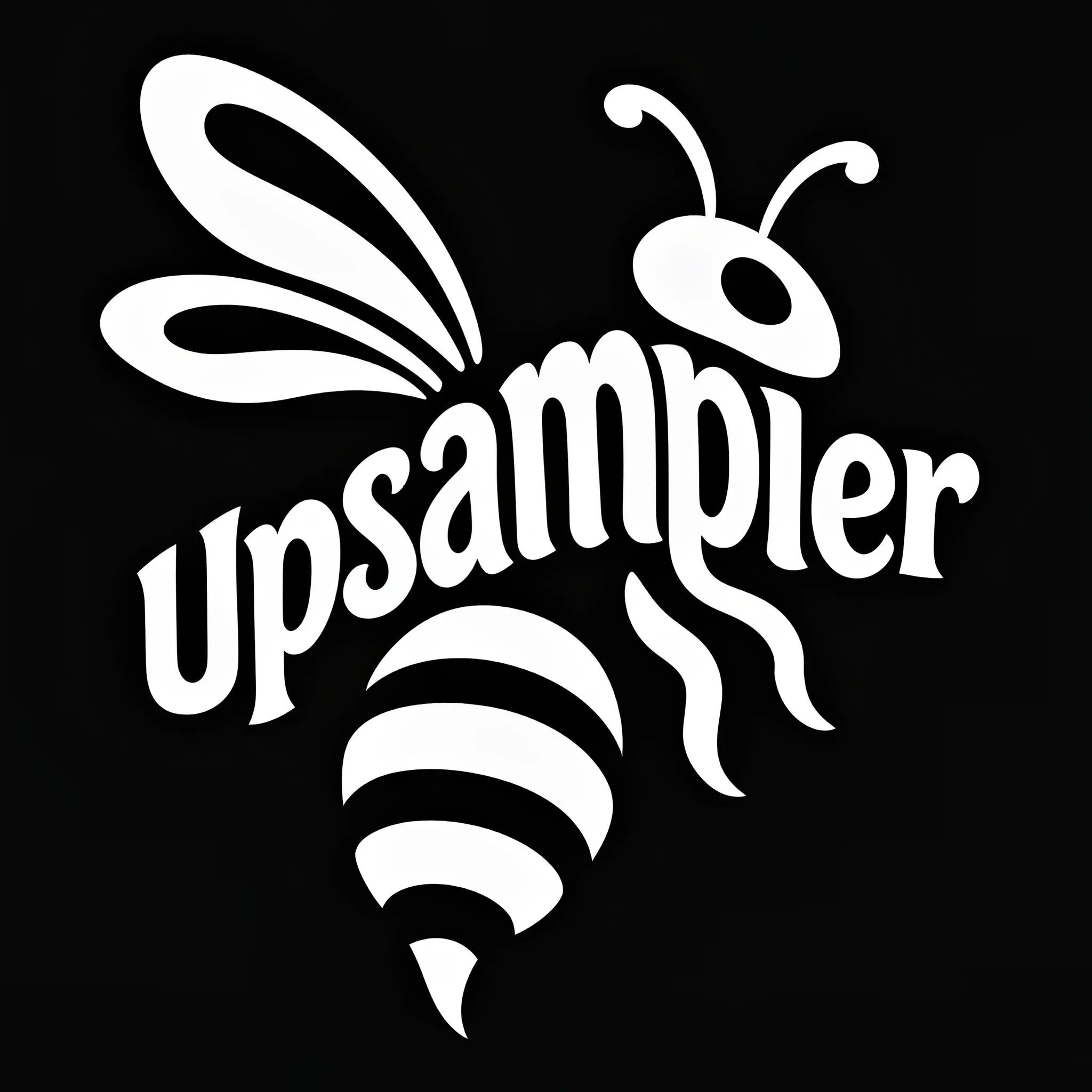
This tool traces your raster image into true vector paths: it finds regions of similar color, fits smooth curves around them, and writes the result as an SVG you can scale to any size without pixelation. The color slider controls how many distinct fills the tracer keeps, and the smoothing slider trades faithfulness for cleaner curves. The black-and-white mode collapses everything to two colors, which is exactly right for line art, signatures, stamps, and single-color logos.
Everything runs in your browser through a WebAssembly-free JavaScript tracer, so there is no upload, no queue, and no limit on how many images you convert.
What vectorizes well, and what does not
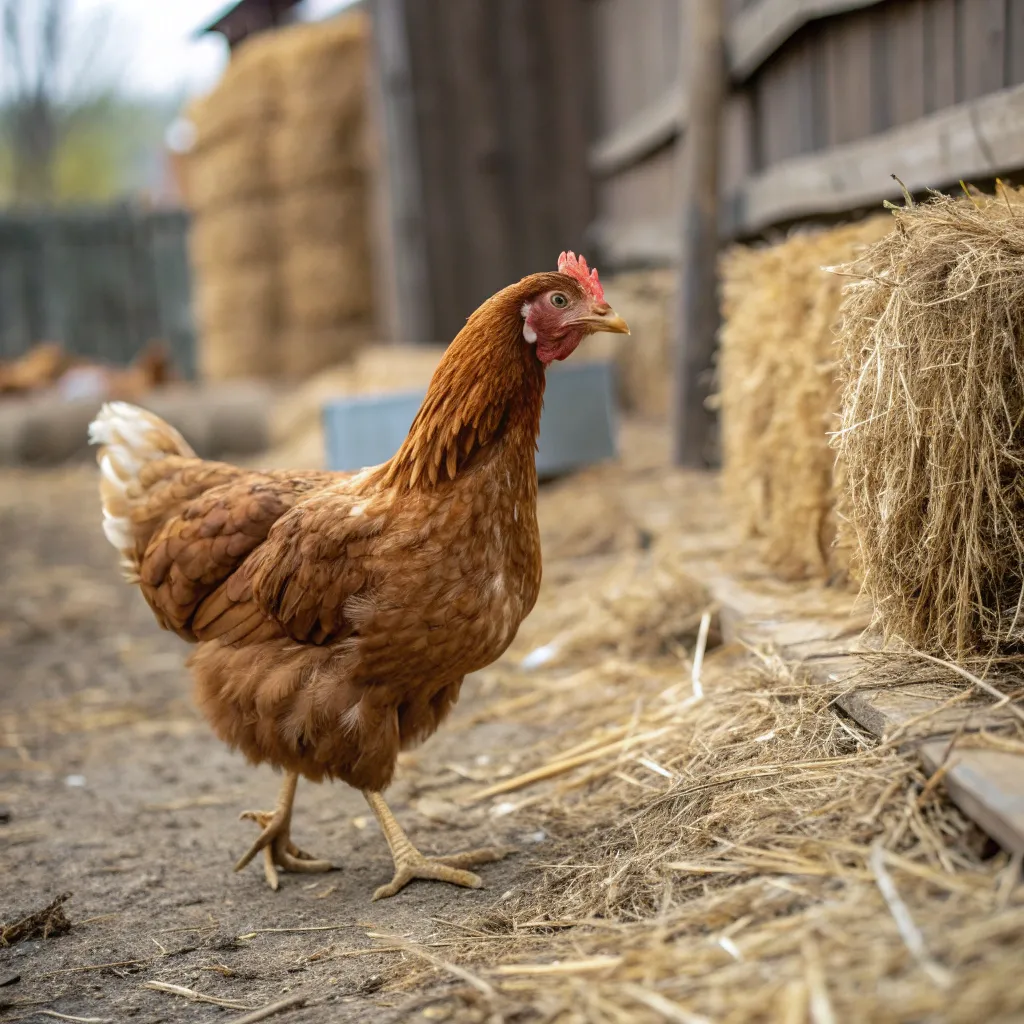
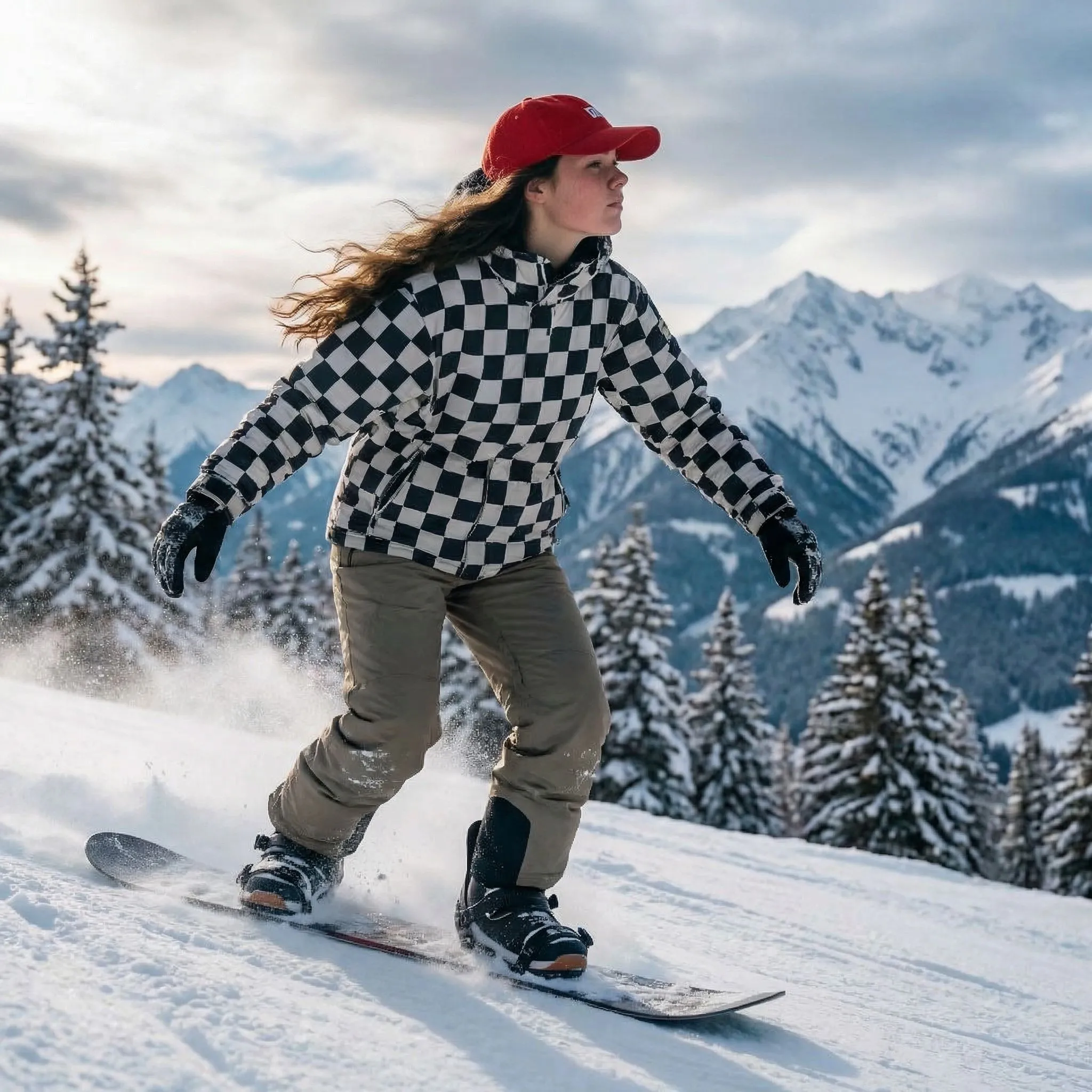
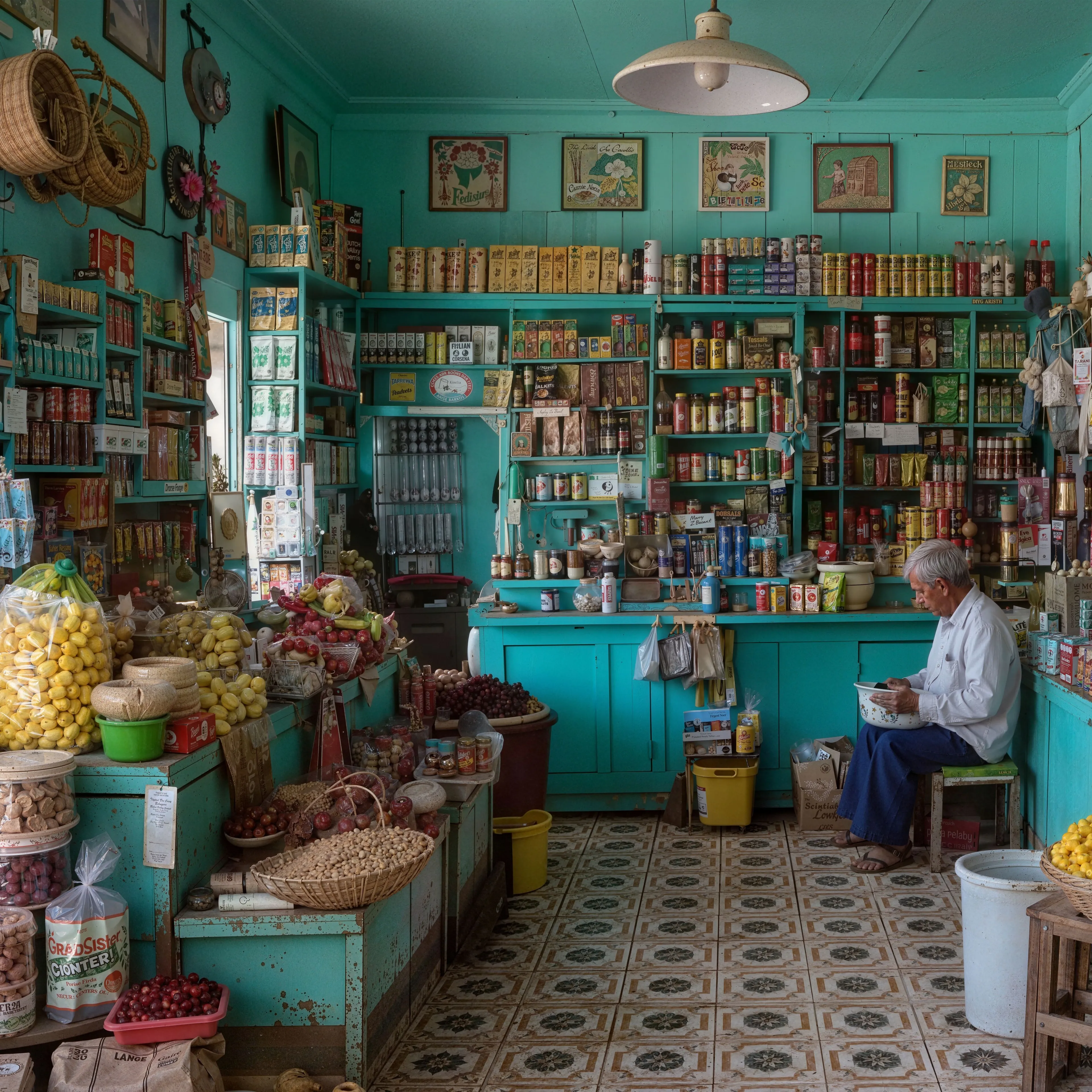
Vectorization shines on images that were born as shapes: logos, icons, illustrations, lettering, diagrams, and flat-color art. Those convert into compact SVGs that scale from favicon to billboard. Photographs are the opposite case: a photo has thousands of color gradients, so tracing one produces a huge SVG that looks posterized and often weighs more than the original. If you need a photo to scale, enlarging it with the free AI image upscaler gives a far better result than vectorizing it.
For logos extracted from photos or screenshots, remove the background first with the free AI background remover, then vectorize the clean cutout here.
What to expect
The SVG uses a viewBox, so it scales to any size in browsers, design tools, and cutting software. Very large images are traced at a reduced working size, which does not matter for vector output since the paths scale freely. Fine textures and tiny details may merge into their surrounding shapes; raising the color count and lowering smoothing keeps more detail at the cost of a bigger file. The tool accepts JPG, PNG, WebP, AVIF, GIF, and BMP input.