Wildlife Is Shot at the Edge of What Gear Can Do
Almost every wildlife photograph is a compromise forced by distance. You shoot at 400 to 800 millimeters through haze, crop hard, and push ISO because the animal would not wait. The subject of a lifetime ends up filling two megapixels of a soft file. Upscaling gives back the resolution the crop threw away and sharpens what the lens could only just resolve.
Fur and Feathers Are the Hard Part
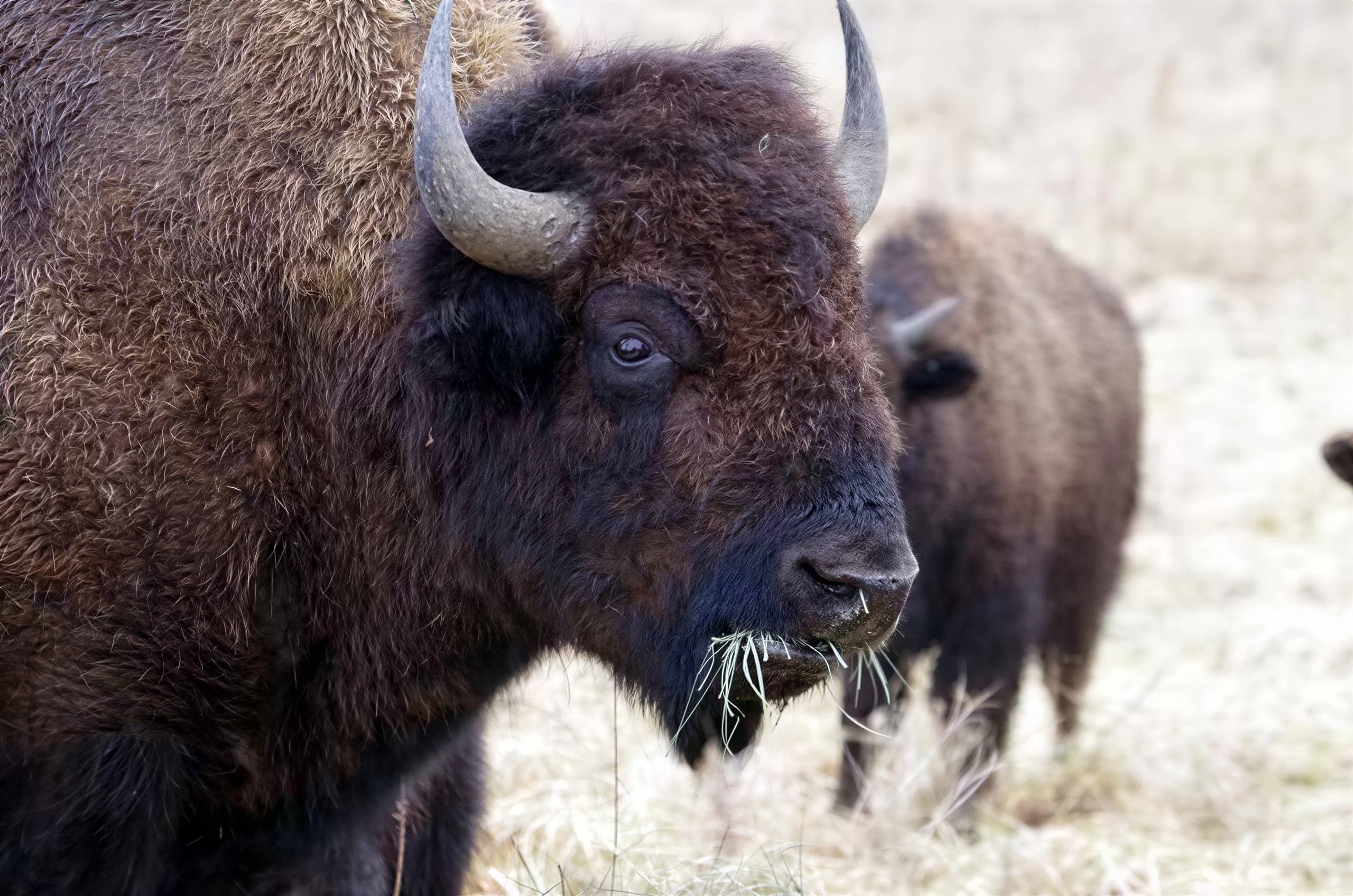
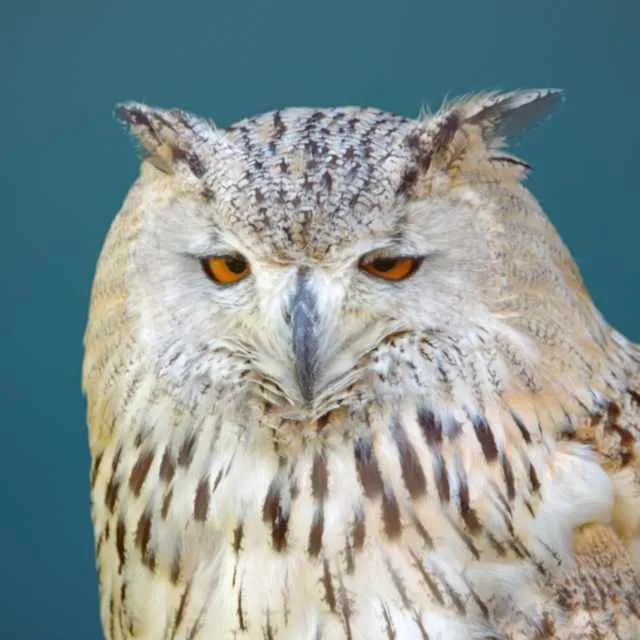
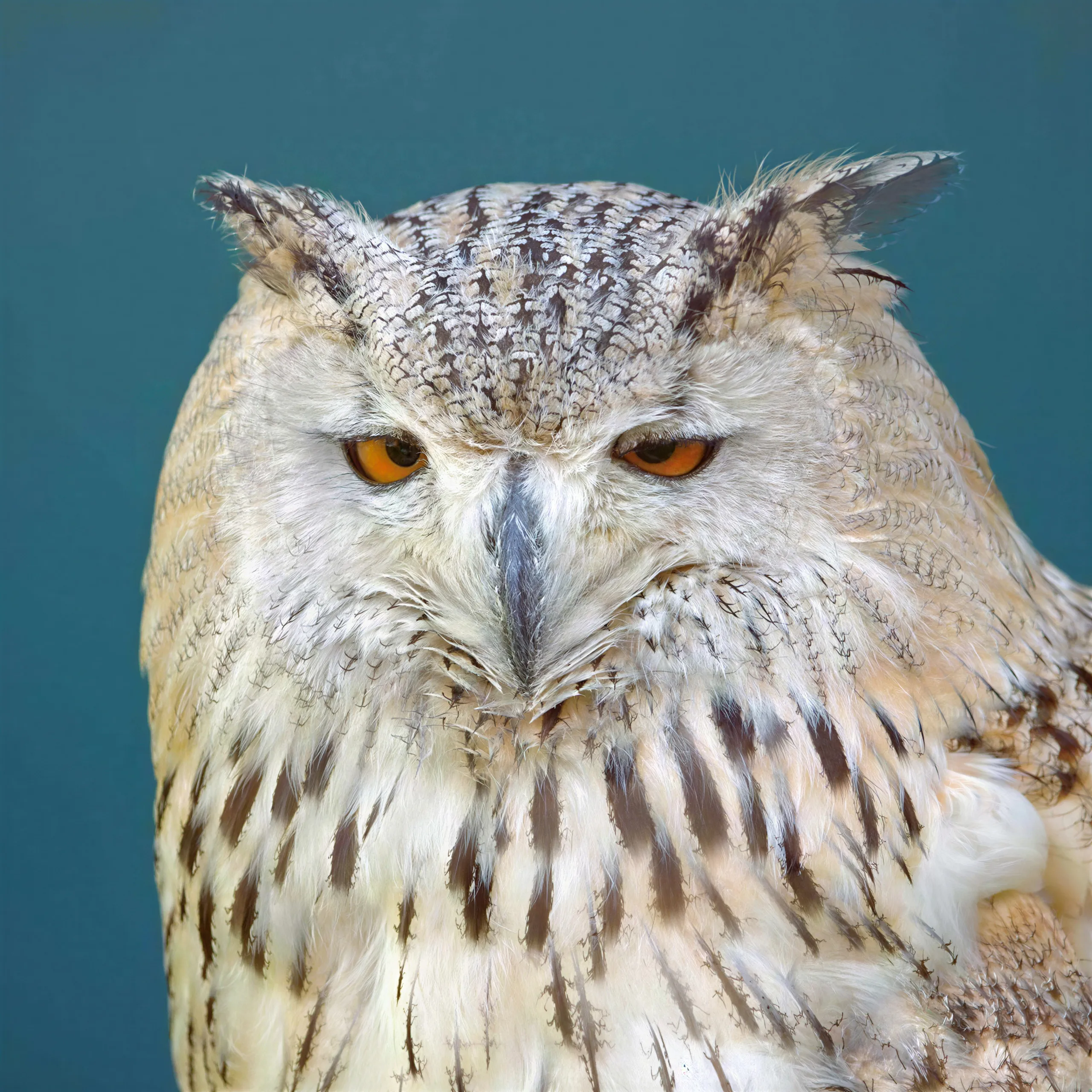
Animal detail is unforgiving to fake. Fur has to flow in strands, feathers have to keep their barb structure, and a repainted eye is obvious at once. The faithful model keeps the animal exactly as photographed and only adds resolution, which is what a telephoto frame needs. No upscaler can invent a feather the lens never resolved, so start from the sharpest frame in the burst; the detail that is there then holds up at print size.
Settings That Work
- Model: any faithful model; P Image Upscale is the default in the upscale tool
- Scale: 4x for a 24 by 36 inch print, 2x for web and contests
- Enhance Faces: off for animals, on only when a small human face is in the frame
From Memory Card to Print, Contest, or Stock
The destinations wildlife photographers care about all have resolution floors: fine art prints at 300 DPI, contests with minimum dimensions, and stock agencies that reject soft or undersized files. Upscale after your normal edit and one frame serves all of them. Test a cropped shot on the free no-signup upscaler first and zoom in on the eye.