
How photos become boxed action figures
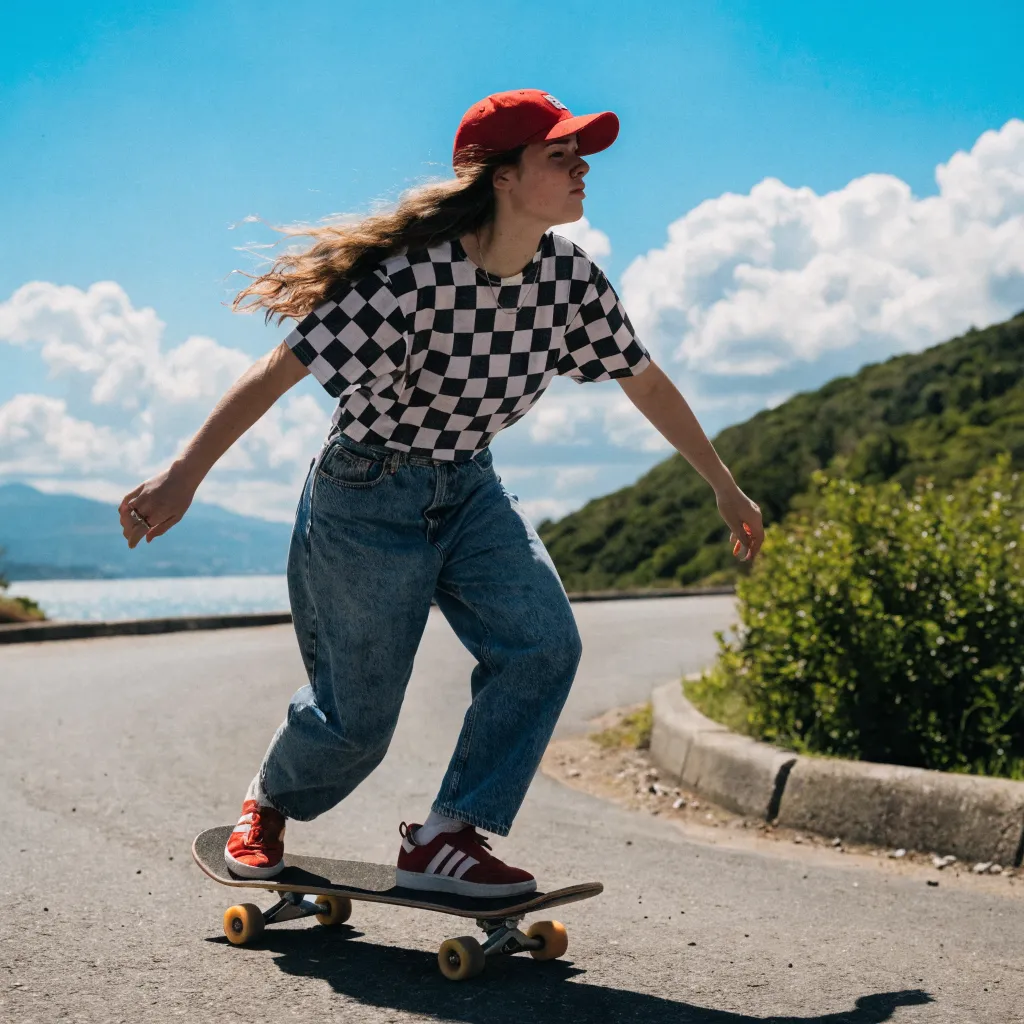
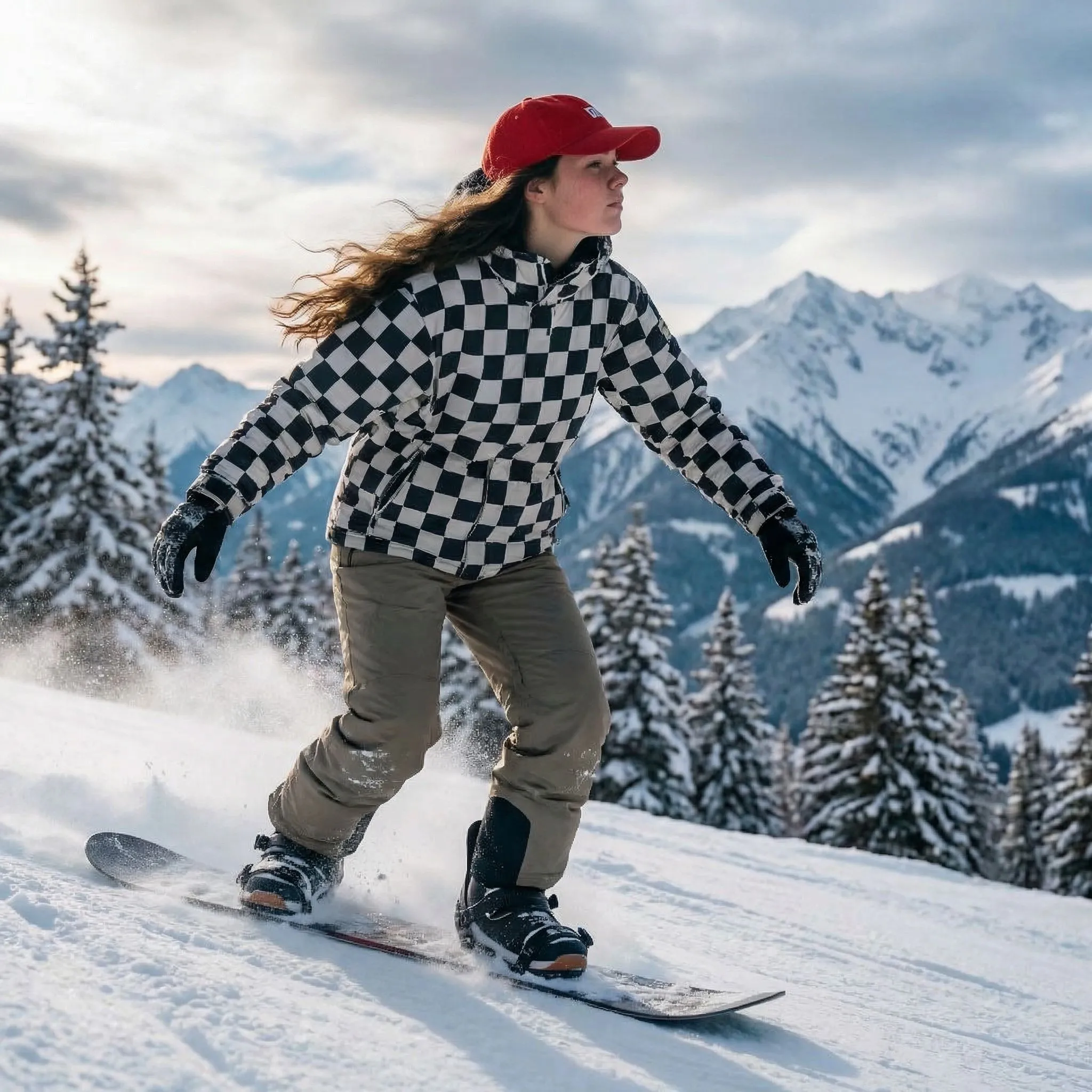
The boxed-figure look took over social feeds for a reason, and this page reproduces it with one fixed Qwen Image Edit instruction: a collectible action figure of the person in your photo, sealed in clear blister packaging on a printed cardboard backing, accessories at its side, photographed like a real product under studio lighting. The model reads the subject first, so the figure keeps the hairstyle, outfit, and overall likeness rather than producing a generic toy.
The accessories are the fun part: the AI picks small themed props that match what it sees, a laptop for someone at a desk, a leash for a dog owner, a guitar for a musician, the way a real toy line would kit out its characters. Whether you call it an action figure, a figurine, or a boxed collectible, the output is the same: you, as merchandise.
Fun uses, and the next step
Profile pictures, birthday cards, team pages where every colleague becomes a boxed figure, gifts for collectors, and pet figures are the popular uses. The result is an image, not a printable model; if you want an actual 3D asset of a subject, the free image to 3D converter generates a downloadable GLB mesh from a photo, which is the path toward 3D printing. For a flat illustrated look instead of a boxed toy, try the free photo to cartoon converter.
What to expect
Photos with one clear subject work best; the model builds one figure per box. Full-body photos give the figure a full-body sculpt, while close portraits tend to produce a bust-style figure. Text on the packaging is generated and may be imperfect, treat it as decoration. The tool accepts JPG, PNG, and WebP up to 4096px per side, and the image renders at about one megapixel; posters and prints call for the free AI image upscaler afterwards. The photo you upload is discarded the moment the figure is delivered.