
How a single image becomes a 3D model
This tool turns one ordinary photo into a full 3D object. The Stable Fast 3D model was trained on huge collections of objects paired with the images that depict them, so it has learned how shapes, surfaces, and materials relate to the pixels of a single view. When you upload an image, the model estimates the underlying geometry, the depth that the flat photo only hints at, and the texture that wraps around the surface. It then assembles those estimates into a watertight mesh and bakes the color and detail from your photo onto it. The output is a standard GLB file, a compact, self-contained format that carries the mesh and its texture together, ready to open in almost any 3D program.
What you can do with the GLB
A GLB drops cleanly into the tools artists and developers already use, which makes it a practical starting point rather than a novelty. Game makers import these models as props and background assets in engines like Unity, Unreal, and Blender. AR and VR builders place them in scenes for phones, headsets, and the web, where GLB and its glTF sibling are the native interchange format. Because the mesh is solid, you can prepare it for 3D printing, and product teams use the models for quick visualization, spinnable web previews, and pitch decks. For anyone iterating on a concept, generating a rough 3D version in a minute is a fast way to prototype an idea before committing real modeling time to it. If you only need per-pixel depth rather than a full mesh, the free depth map generator produces that from the same kind of photo.
What makes a good input
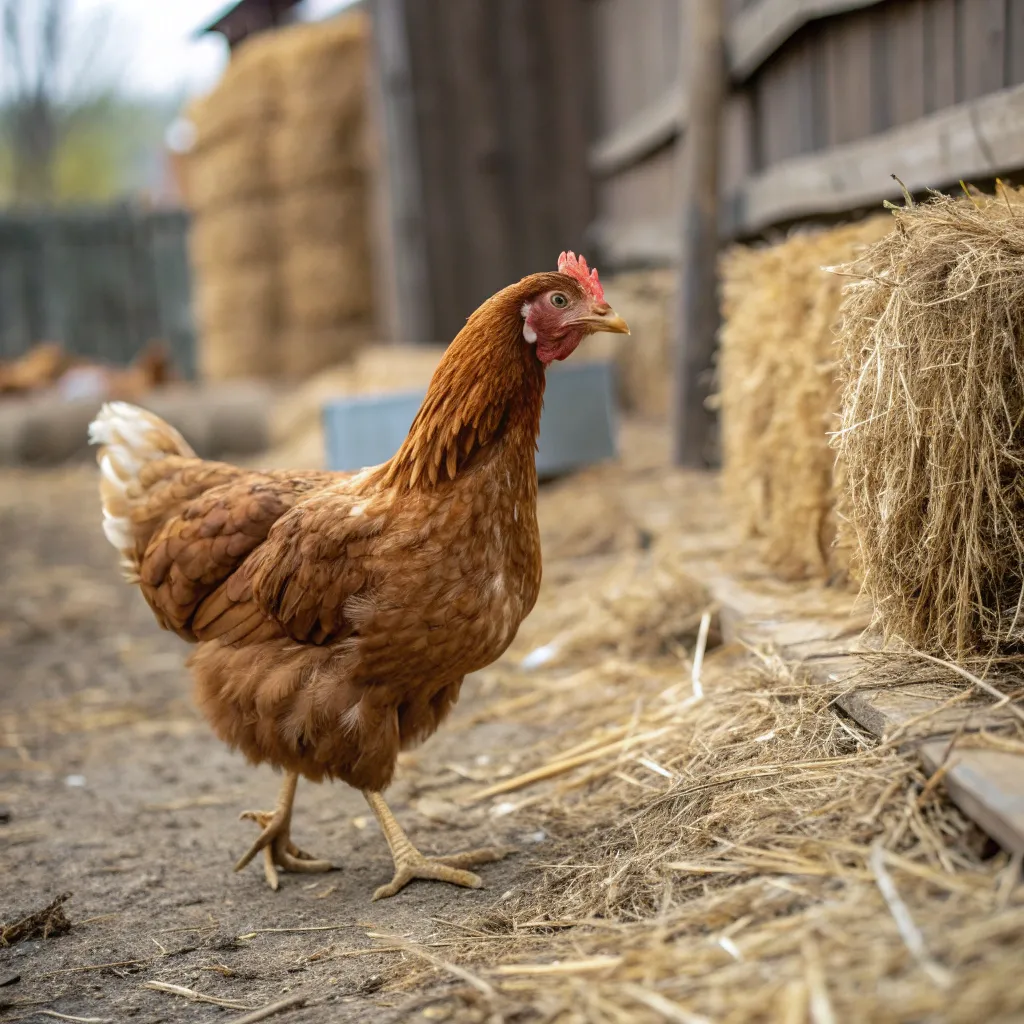
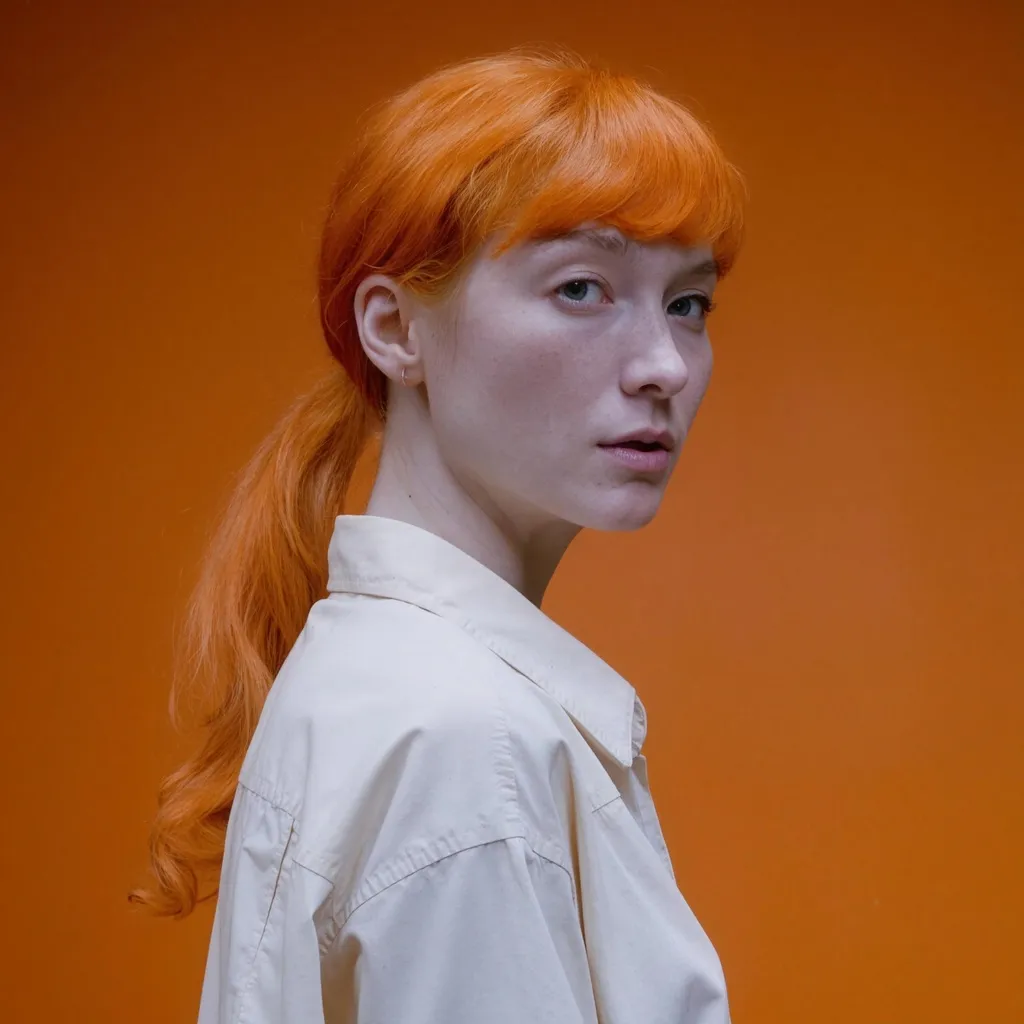
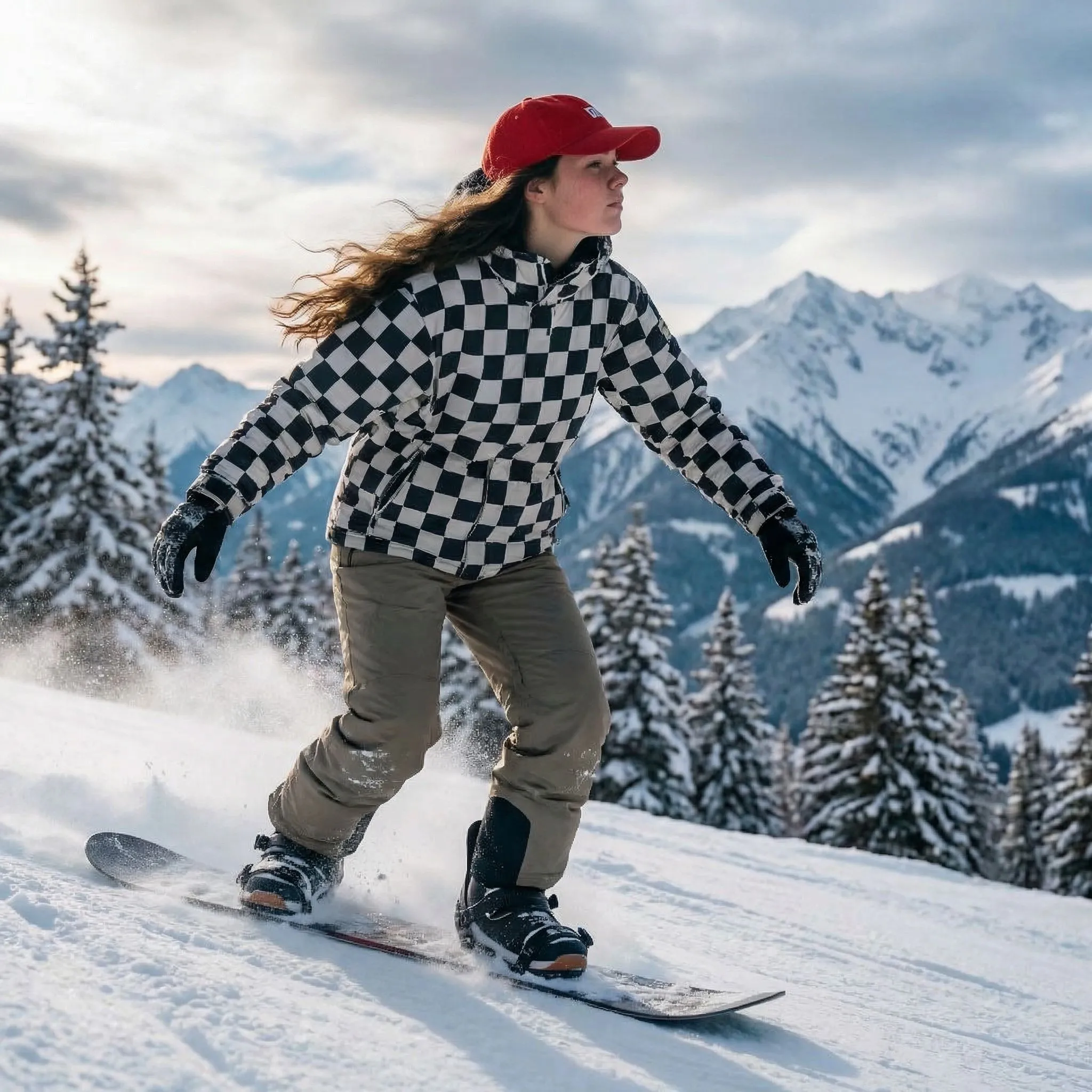
The quality of the model follows the quality of the photo, and a few simple choices make a clear difference. Use a clear, isolated subject that fills most of the frame, ideally a single object rather than a busy scene, so the model knows exactly what to reconstruct. Even, diffuse lighting helps it read the true shape, since harsh shadows and strong highlights can be mistaken for geometry. A plain or uncluttered background keeps stray detail out of the mesh. Photos taken roughly straight on, with the whole object visible and in focus, give the model the most to work with and produce the cleanest result.
Limits to expect
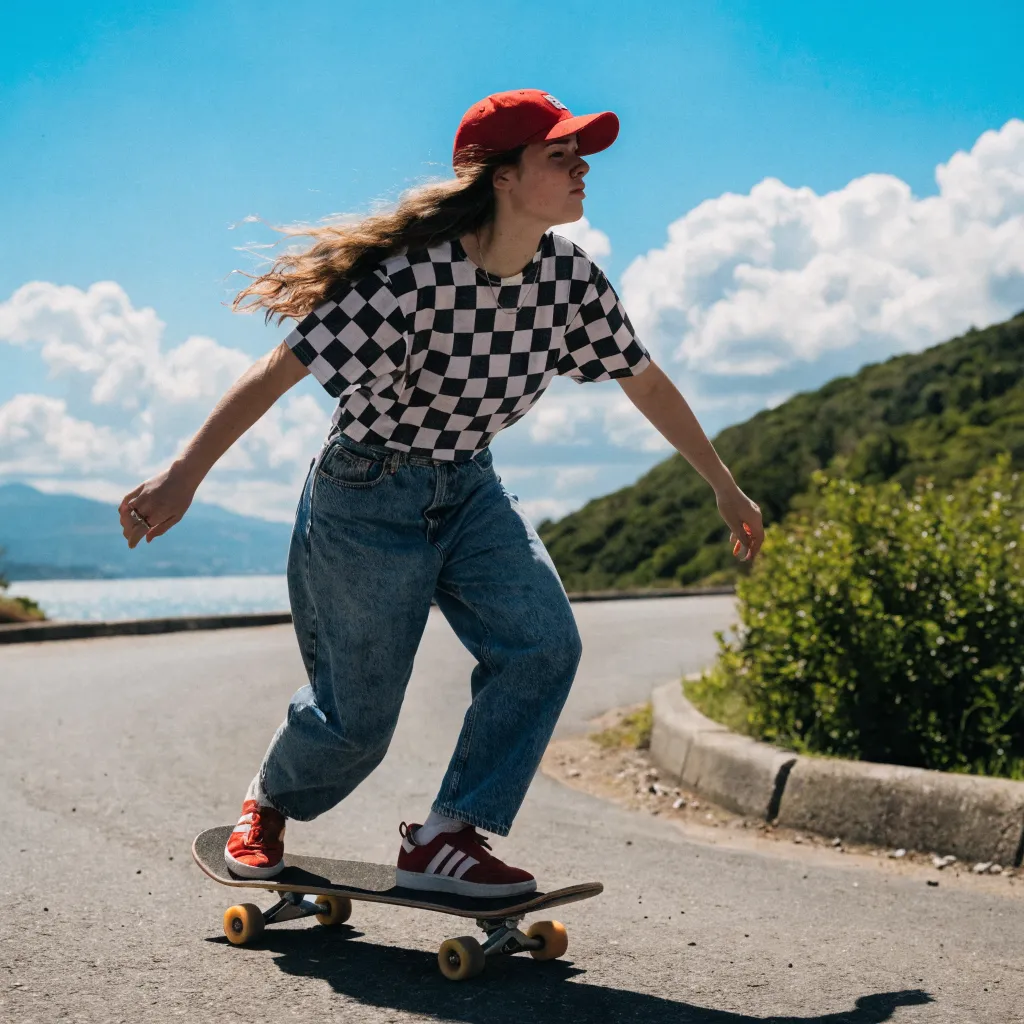
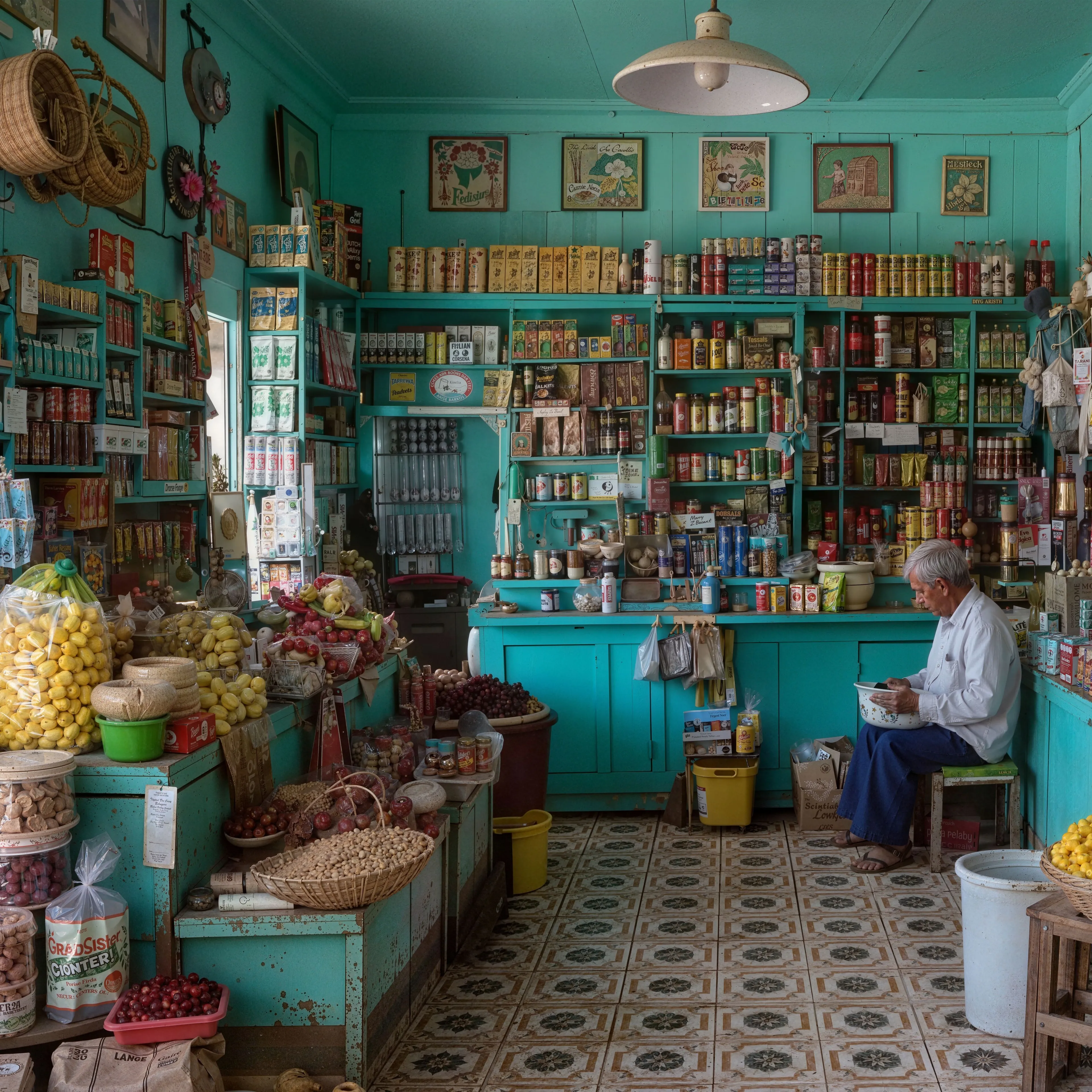
It helps to know what one photo can and cannot deliver. A single image only shows one viewpoint, so everything the camera could not see, especially the back and far sides, is inferred rather than observed. The model makes a reasonable guess from what it has learned, but those hidden areas will be smoother and less faithful than the side facing the camera. For that reason results are best with simple, well-lit, clearly defined objects, and weaker with thin structures, transparent or reflective surfaces, and scenes containing several overlapping things. Treat the output as a strong first draft: great for prototyping, previews, and experimentation, and a solid base to refine in a dedicated 3D editor when you need a production-final asset. To see how your subject might look from those hidden sides before converting, the free multiple angles tool generates new viewpoints of the same subject. When you need cleaner geometry and sharper textures than a fast single-pass model can give, the free image to 3D generator on 3D Valley produces higher-detail models, also without an account.