
What a depth map is
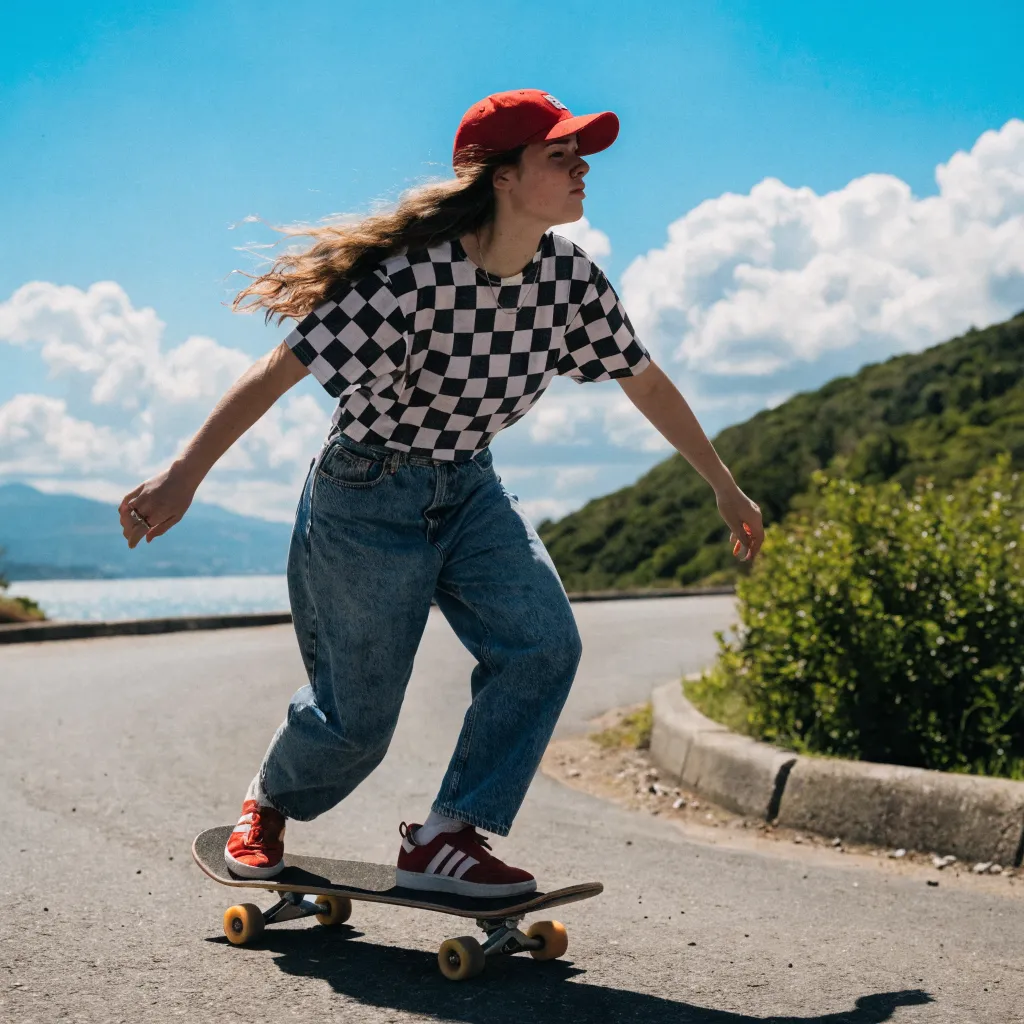
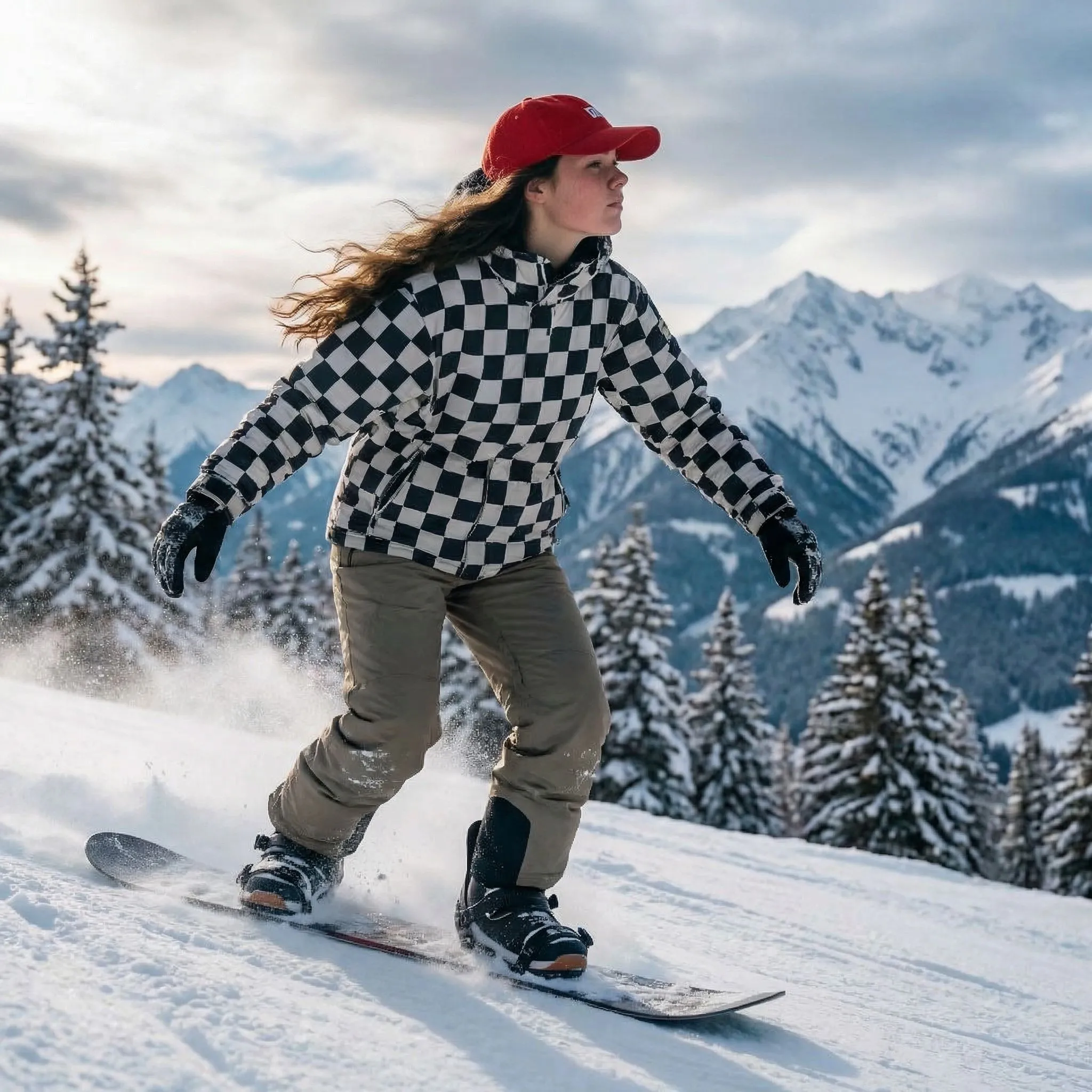
A depth map is a grayscale image that encodes distance. Each pixel records how near or far that part of the scene sits relative to the camera, so the picture becomes a map of space rather than color. This tool estimates that map from a single ordinary photo using a monocular depth model, a neural network trained on millions of images to infer 3D structure from the cues humans rely on too: perspective, occlusion, relative size, shading, and texture gradients. You do not need a stereo rig, a depth sensor, or a LiDAR scanner. One flat image goes in, and a per-pixel depth estimate comes out.
What you can build with it
Depth maps are the backbone of a surprising number of pipelines. They drive 2D to 3D and stereoscopic conversion, where a flat photo is reprojected into left and right eye views. They power realistic portrait and bokeh effects, blurring the background by distance instead of by a crude oval mask. They let you generate parallax animation, the subtle layered motion that makes a still photo feel three dimensional as the camera drifts; the free 3D parallax generator builds exactly that effect from a photo in one step. In AI image workflows they feed ControlNet and other conditioning systems, so a generated image inherits the exact spatial layout of a reference. They are used for VFX compositing, where artists place elements at the right depth and relight a plate convincingly. And they export to 3D printing and relief or CNC work, turning a photo into a physical height field.
Reading the output
In our output, lighter tones mean nearer and darker tones mean farther, so the brightest regions are the objects closest to the camera and the shadows recede into the distance. The values are relative rather than absolute, which means they describe the order and spacing of surfaces in this particular frame rather than a measurement in meters. To use the result, feed the downloaded grayscale file into whatever expects a depth or displacement input: a depth-to-mesh or displacement modifier in 3D software, a depth or ControlNet input in an image generator, a parallax or 2.5D tool in a motion editor, or a height map in a relief and CNC workflow. If a tool expects the opposite convention, simply invert the image. And if the goal is a full 3D object rather than a height field, the free image to 3D converter turns a single photo into a downloadable GLB model.
Where it works best
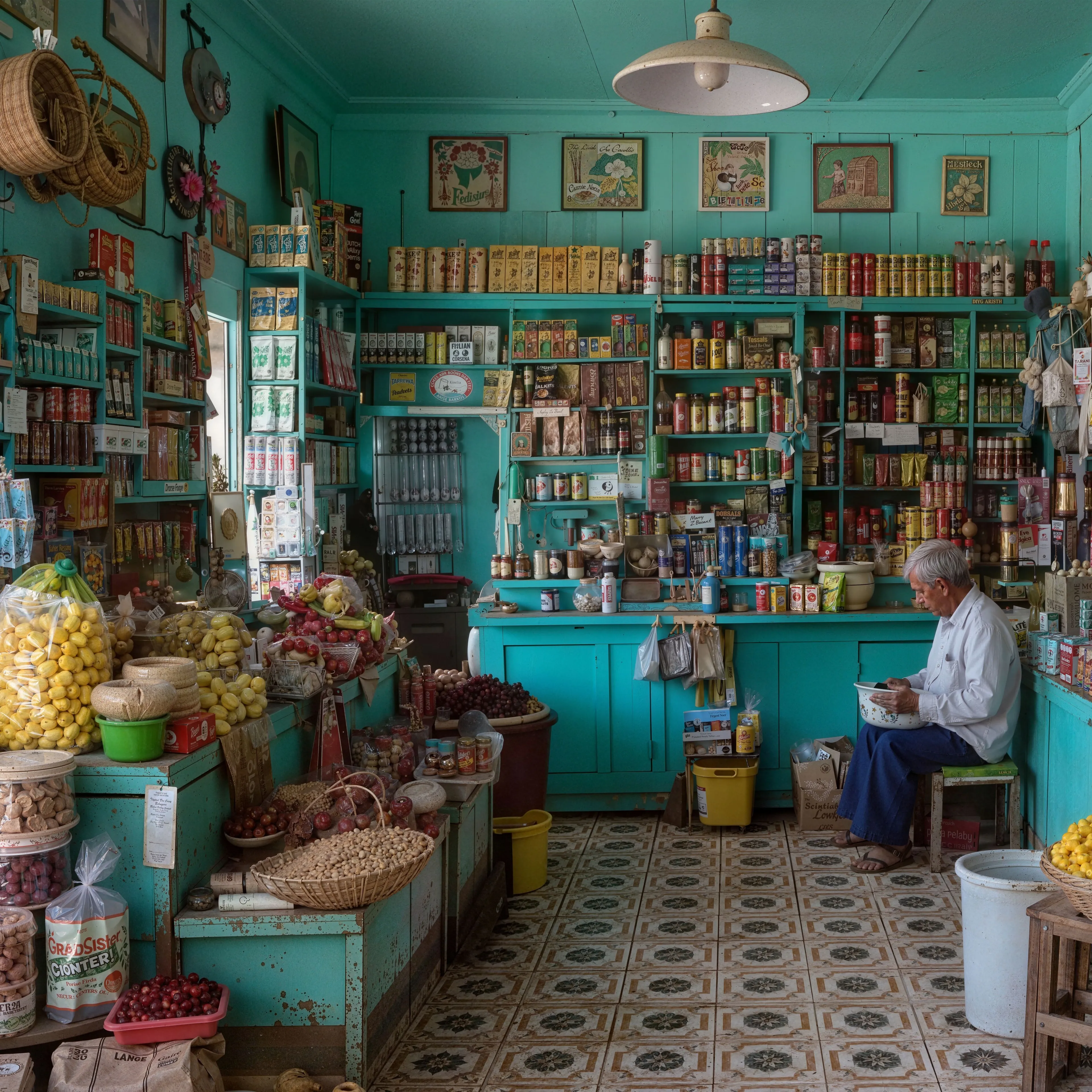
The model is most confident on clear, well-lit scenes with defined edges, layered depth, and recognizable objects, which is where its learned cues are strongest. Portraits, landscapes, interiors, and product shots tend to come out clean. The harder cases are flat, reflective, and transparent surfaces, since a mirror, a window, or a glass of water gives the model contradictory or missing information about what is actually at that distance. Large untextured walls, heavy motion blur, and very dim or low-contrast images can also flatten the estimate. When a region looks wrong, reshoot with more light and contrast, or pick a frame where the subject separates clearly from its background.