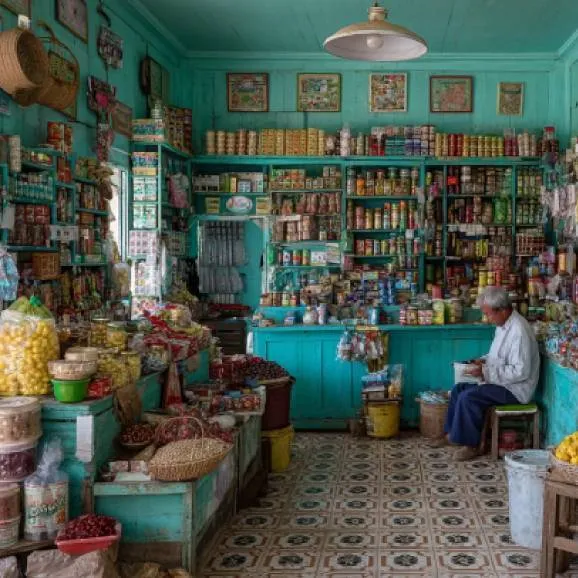
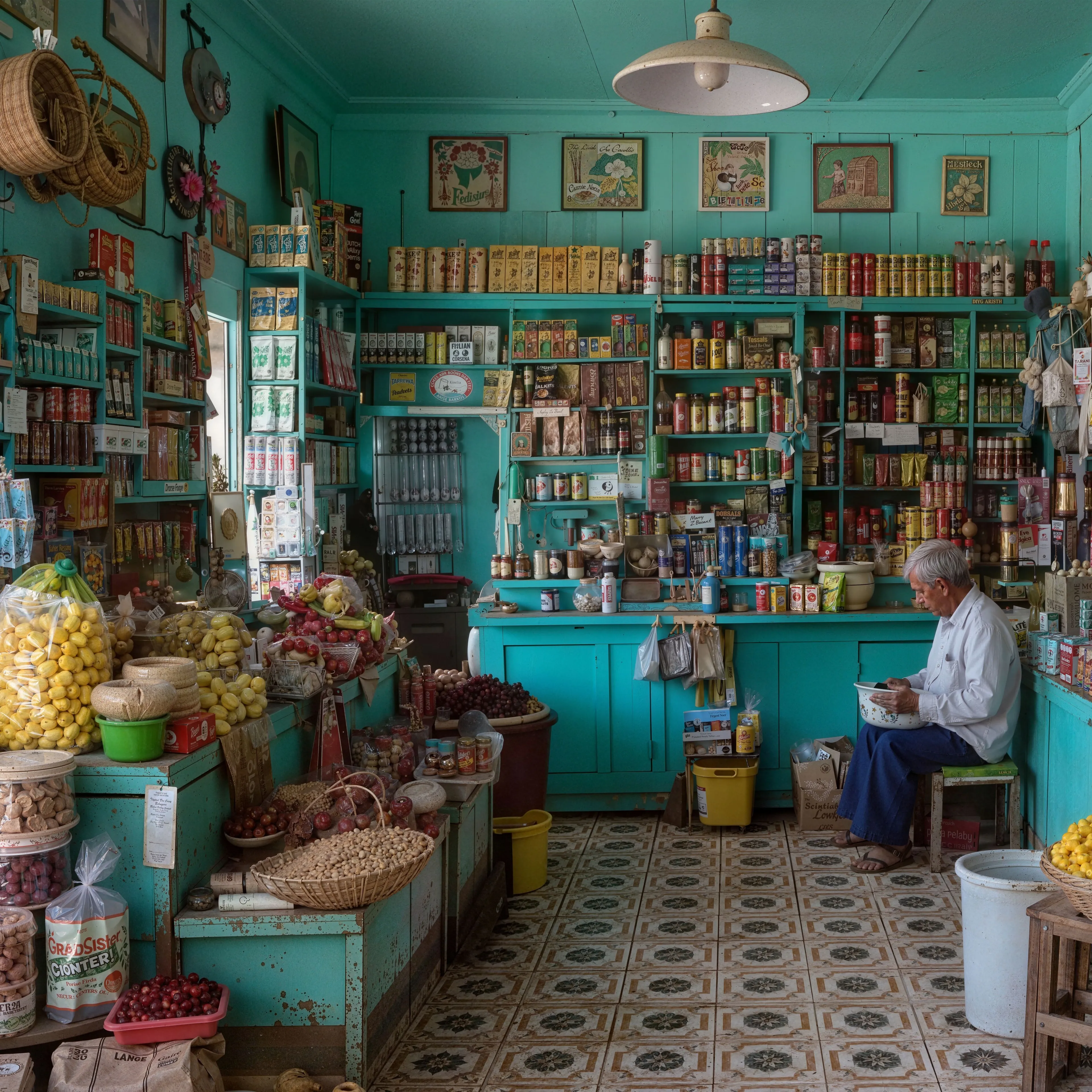


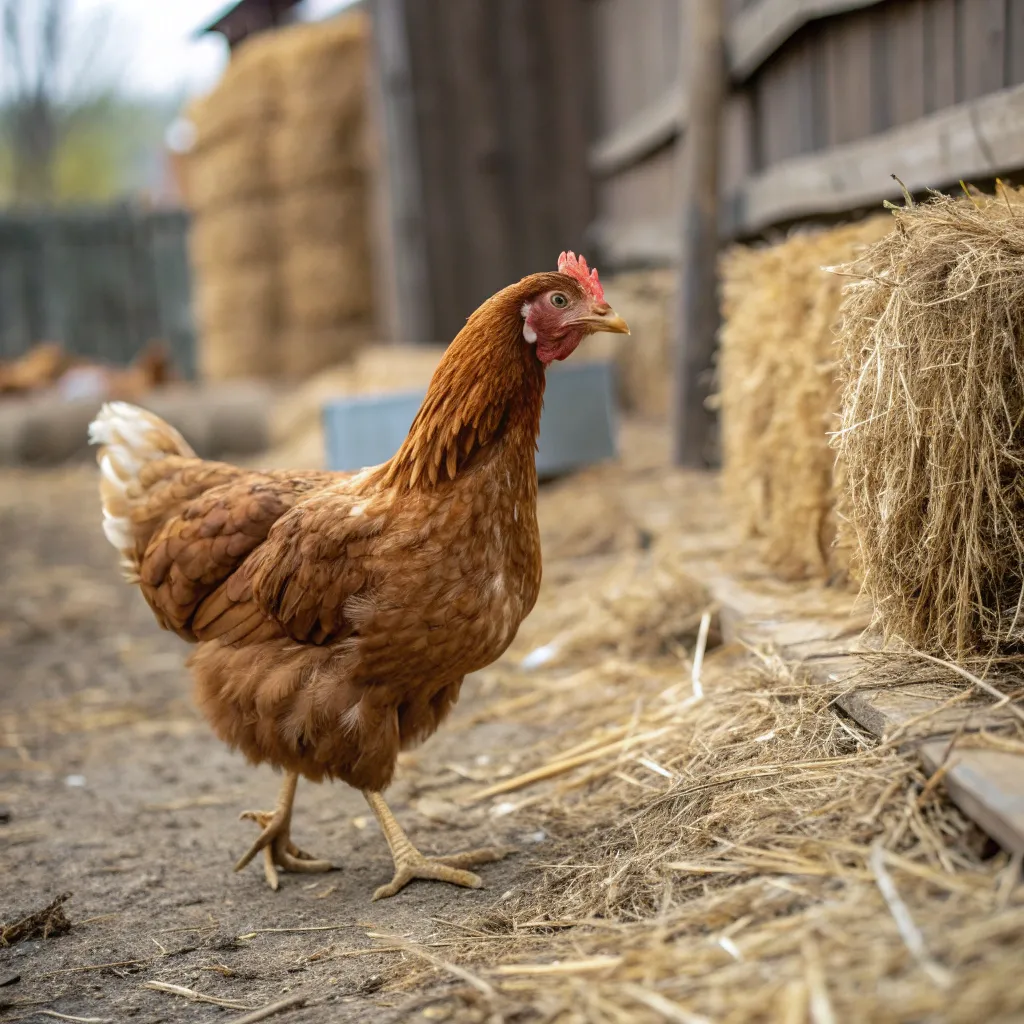
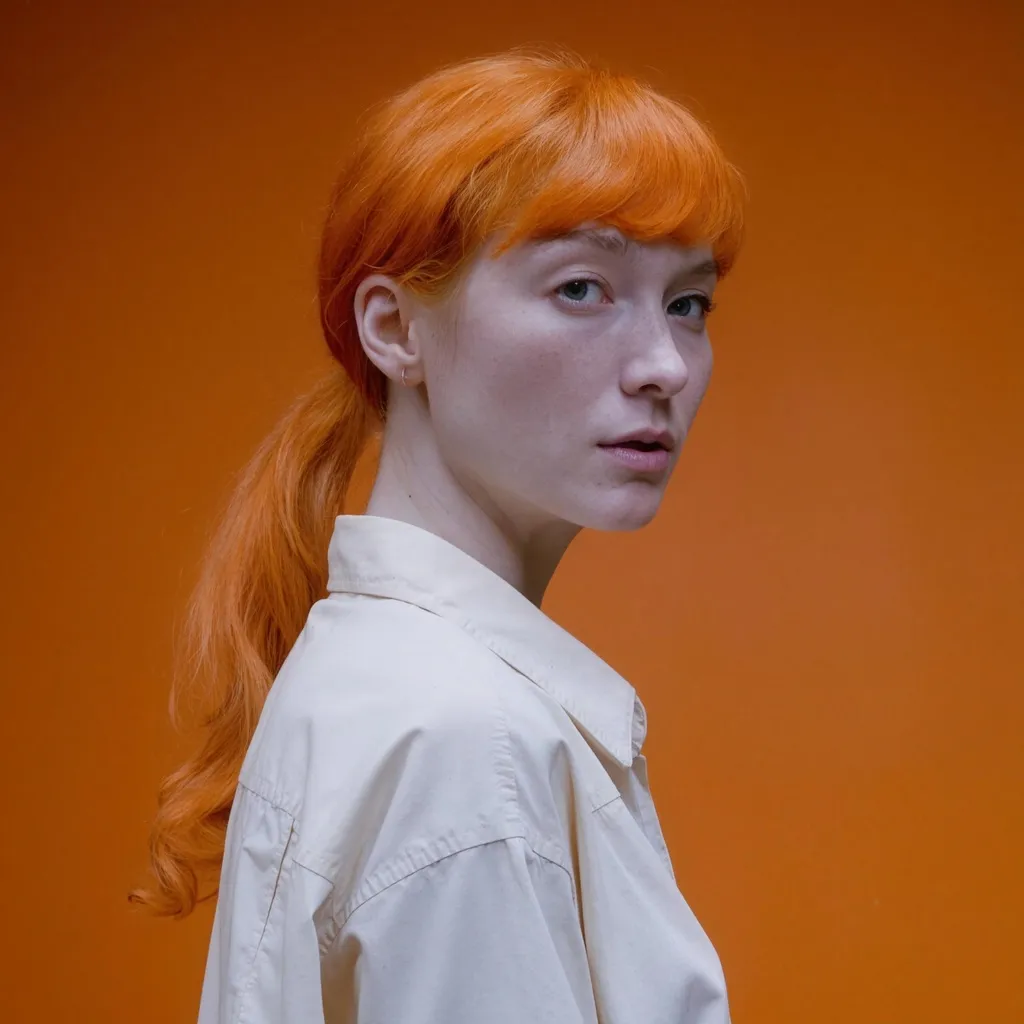
How a flat photo becomes a 3D scene
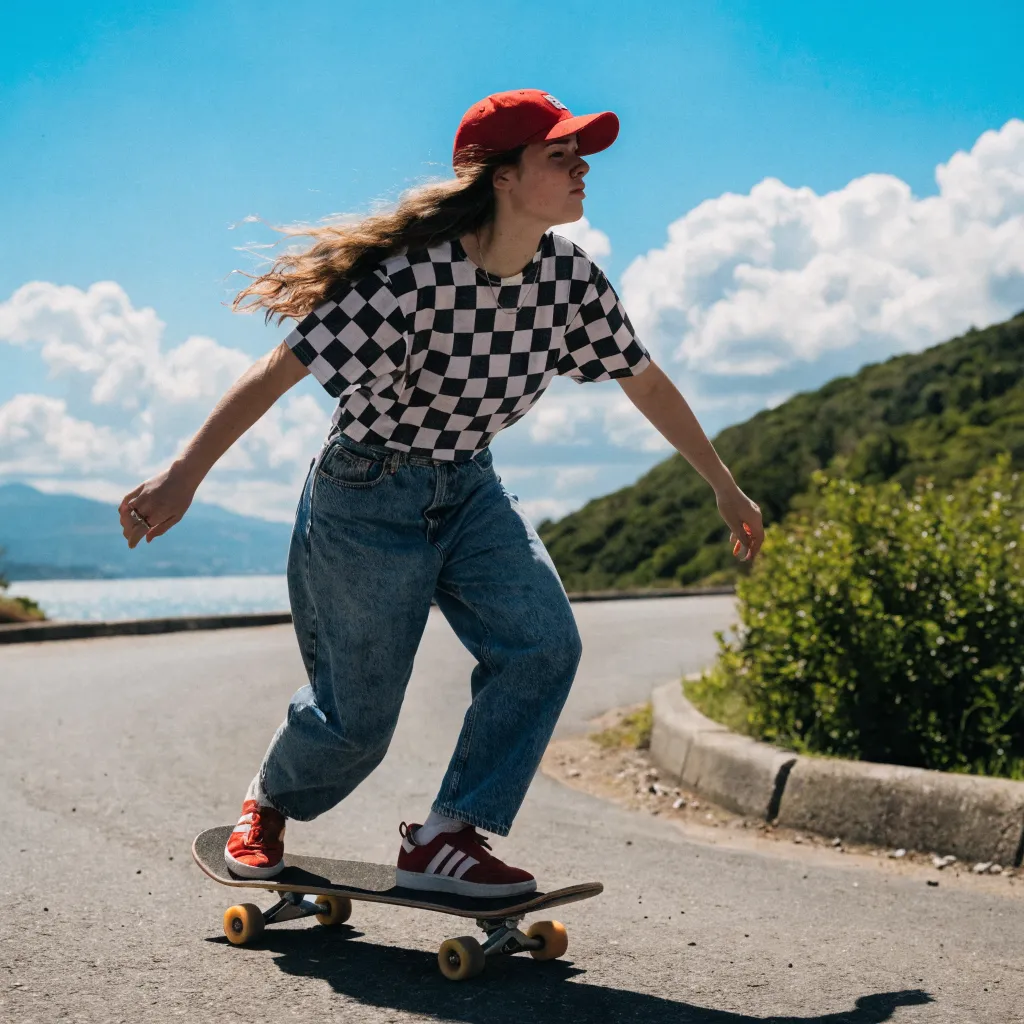
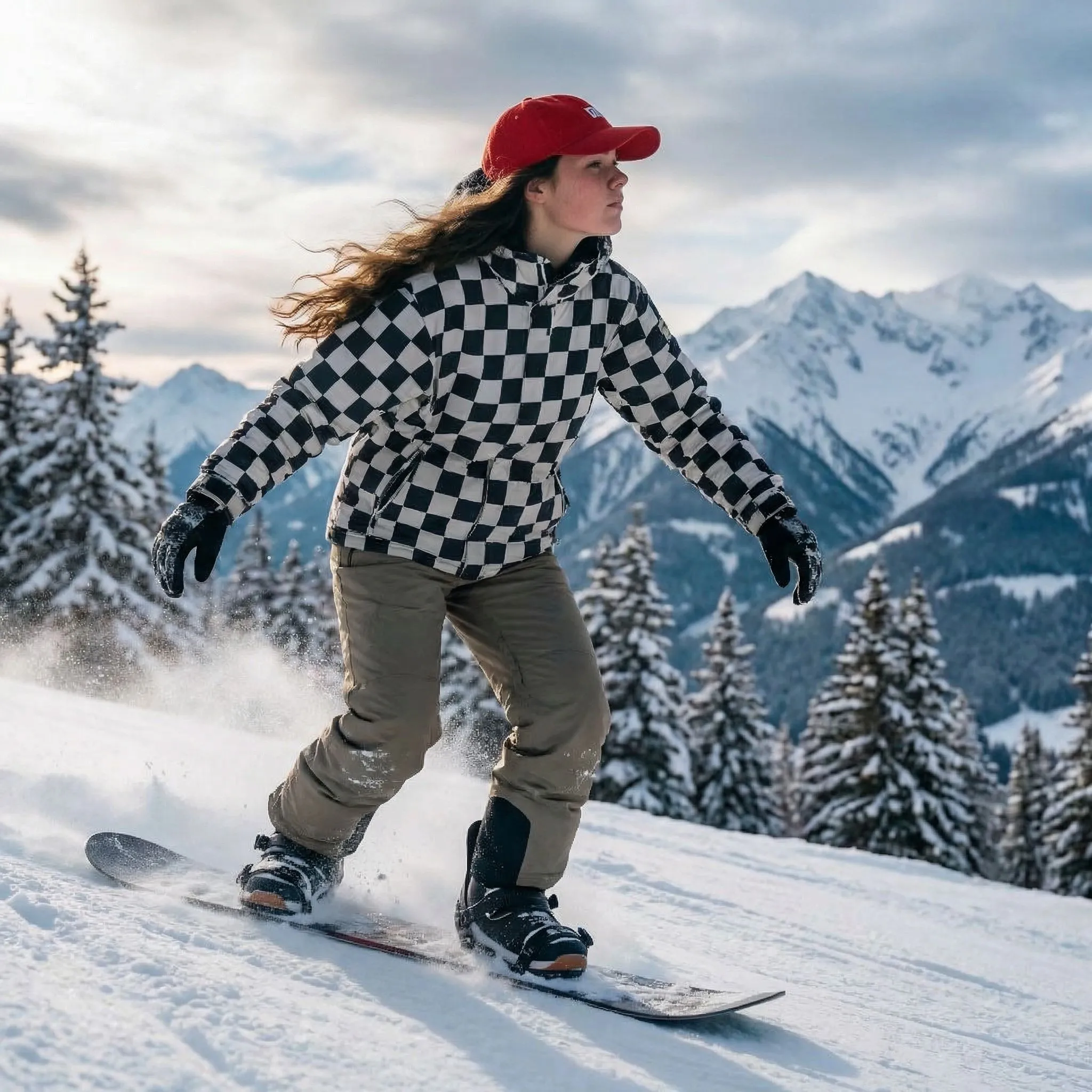
The tool runs Depth Anything V2, an AI model that looks at your photo and estimates how far every pixel is from the camera, producing a depth map. With that map, a WebGL renderer running in your browser shifts near and far parts of the image by different amounts as a virtual camera moves. Foregrounds glide faster than backgrounds, exactly as they do when you move past a real scene, and the flat photo reads as a space with depth.
This is the same 2D to 3D photo technique behind the moving stills you see in documentaries and social feeds, sometimes called the parallax effect or depth animation. Only the depth estimation touches a GPU server, once per photo; everything after that, every slider move and every re-render, happens locally and instantly.
Motion styles and where to use them
Three camera paths cover most uses. Horizontal sway is the classic gentle drift that suits portraits and landscapes. Circular drift adds vertical movement for a floating, dreamlike feel. Dolly zoom pushes into the scene while the parallax separates the layers, the most dramatic of the three. Motion amount controls how far the layers separate; subtle settings look the most photographic, high settings show off the depth.
Export as MP4 for feeds and stories, or as a GIF when you need something that plays absolutely anywhere, in chats, docs, and older sites. Loops are seamless: the last frame flows back into the first. If you want the raw depth map itself, the free AI depth map generator runs the same model and hands you the grayscale image. For real generated motion beyond a camera move, water flowing, people walking, the free AI video generator animates a photo with a full video model.
What to expect
Photos with clear depth layering work best: a subject in front, a scene behind. Flat subjects like documents or walls have no depth to reveal. Depth estimation is a prediction, so very fine structures, hair, fences, foliage edges, can shimmer slightly at high motion amounts; lowering the motion usually resolves it. The preview and exports render at up to 1080p from your original photo. MP4 export uses your browser's hardware encoder (current Chrome and Edge; the GIF export works everywhere). Photos are processed transiently for the depth call and never stored in a gallery.