Five painting styles, real brushwork
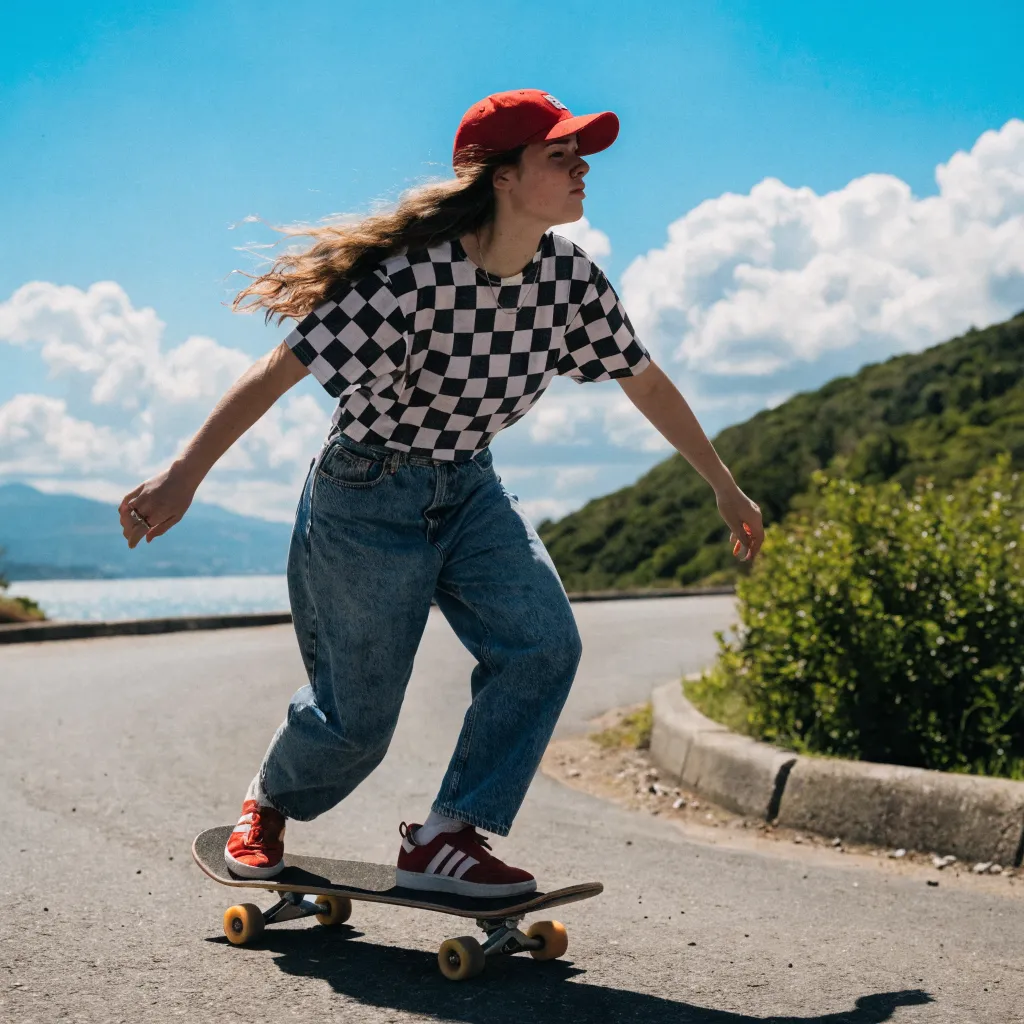
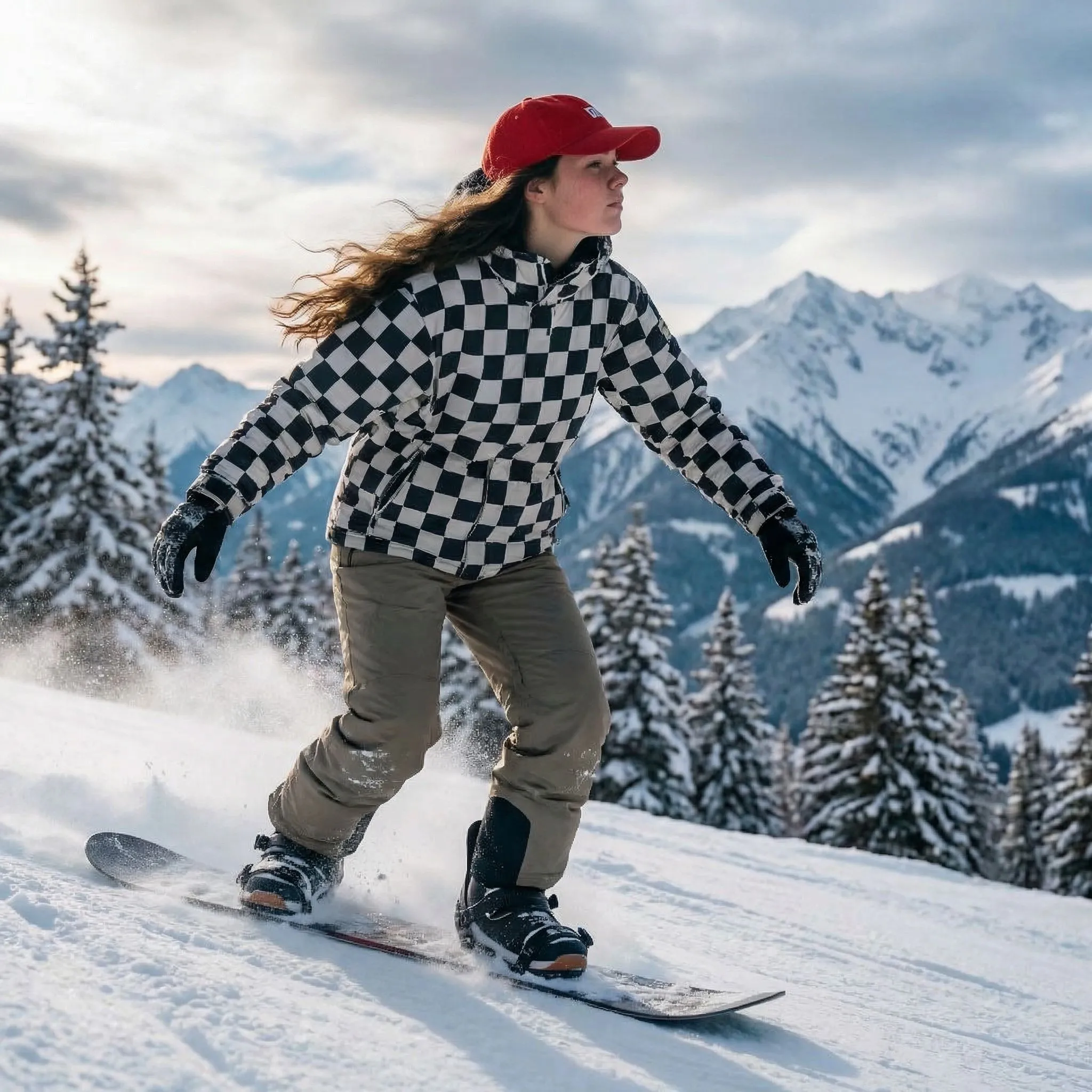
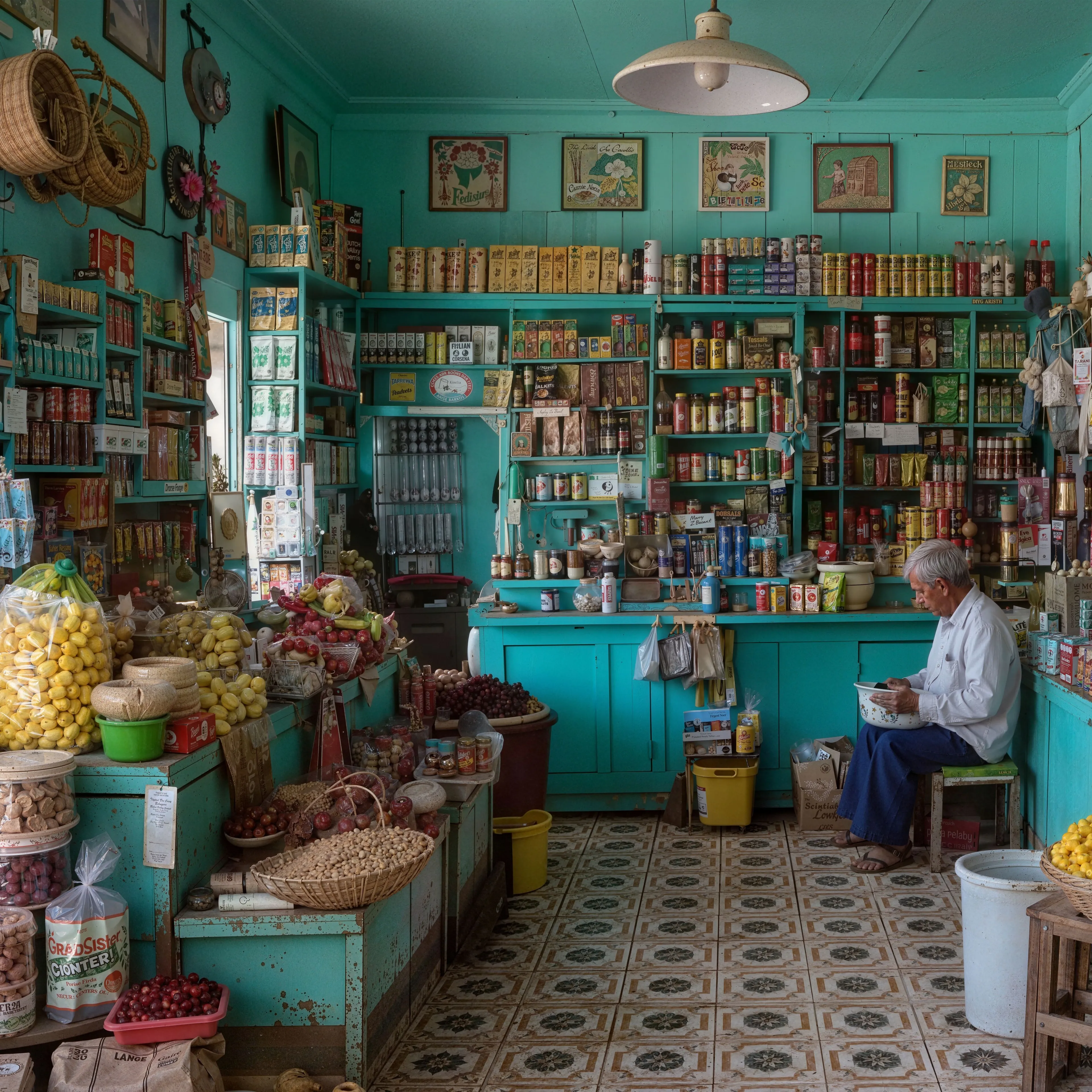
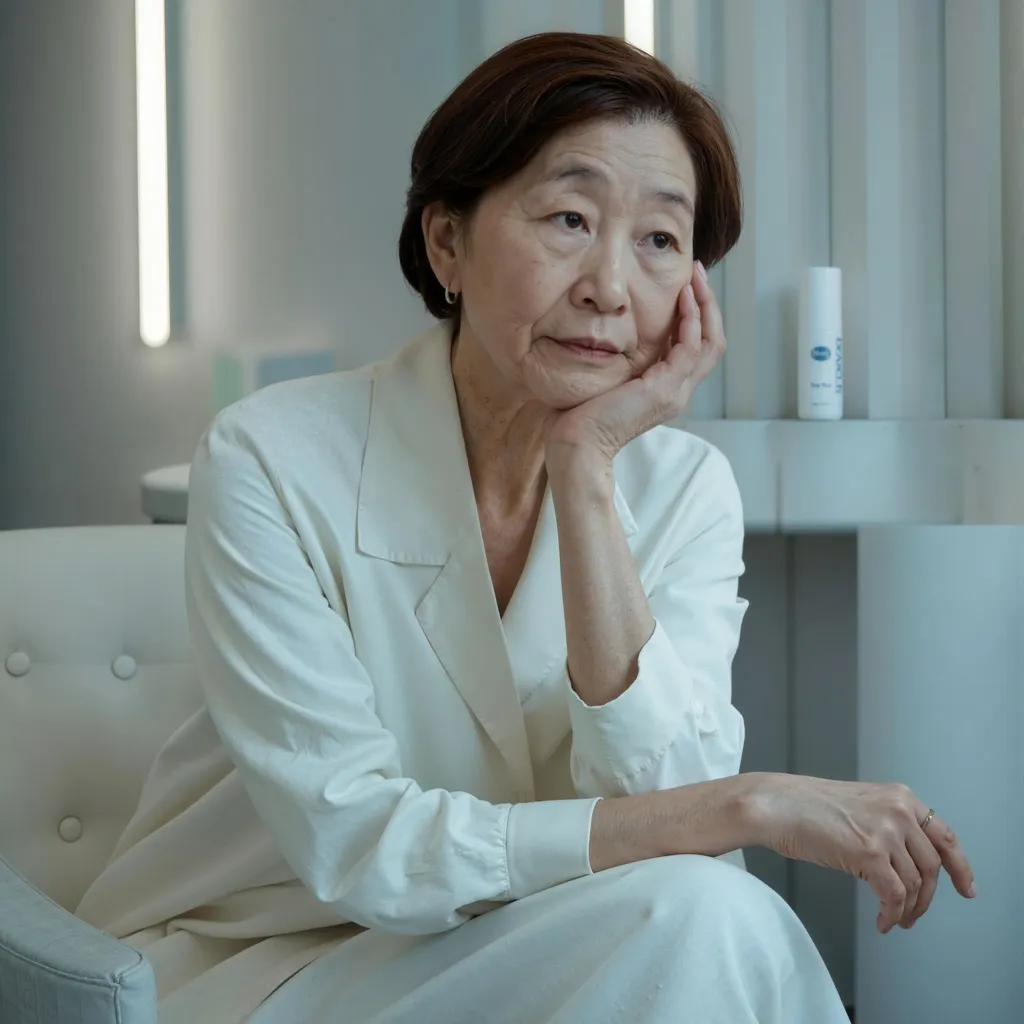
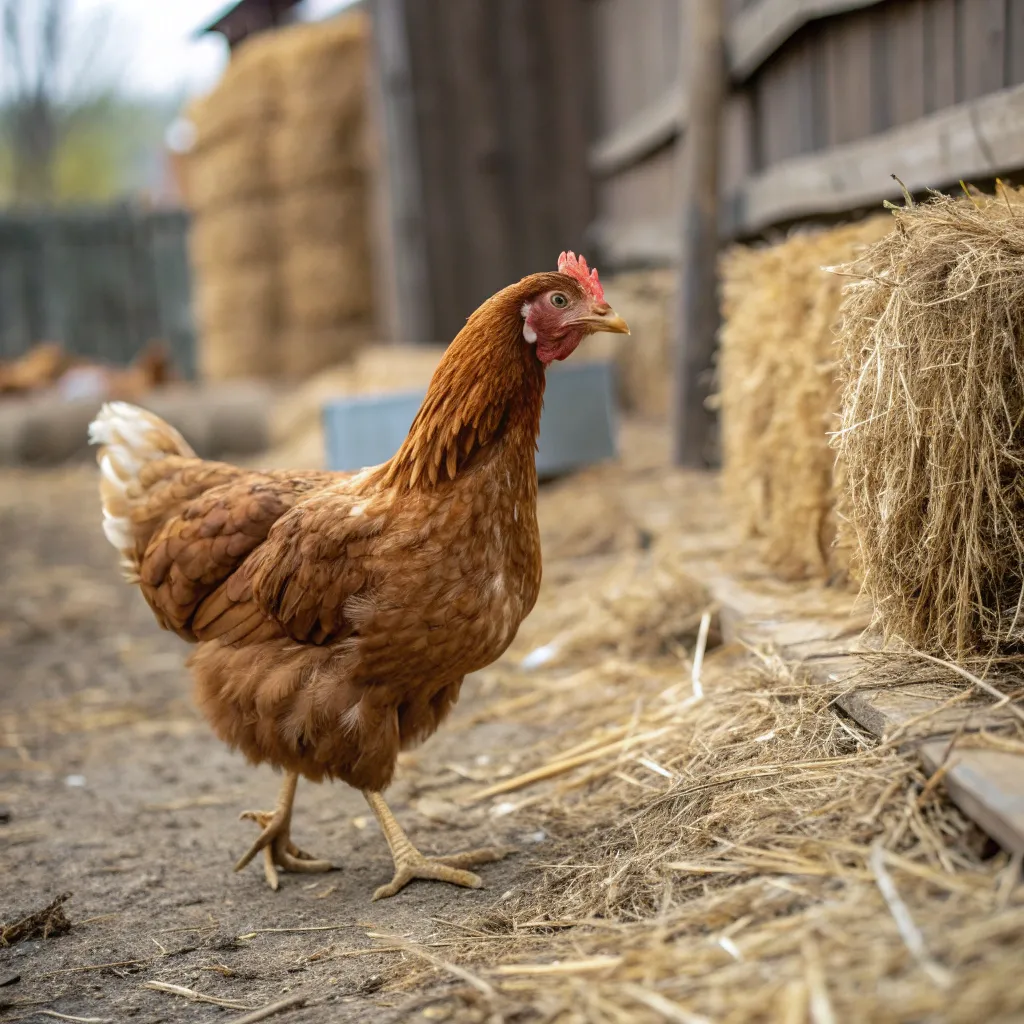
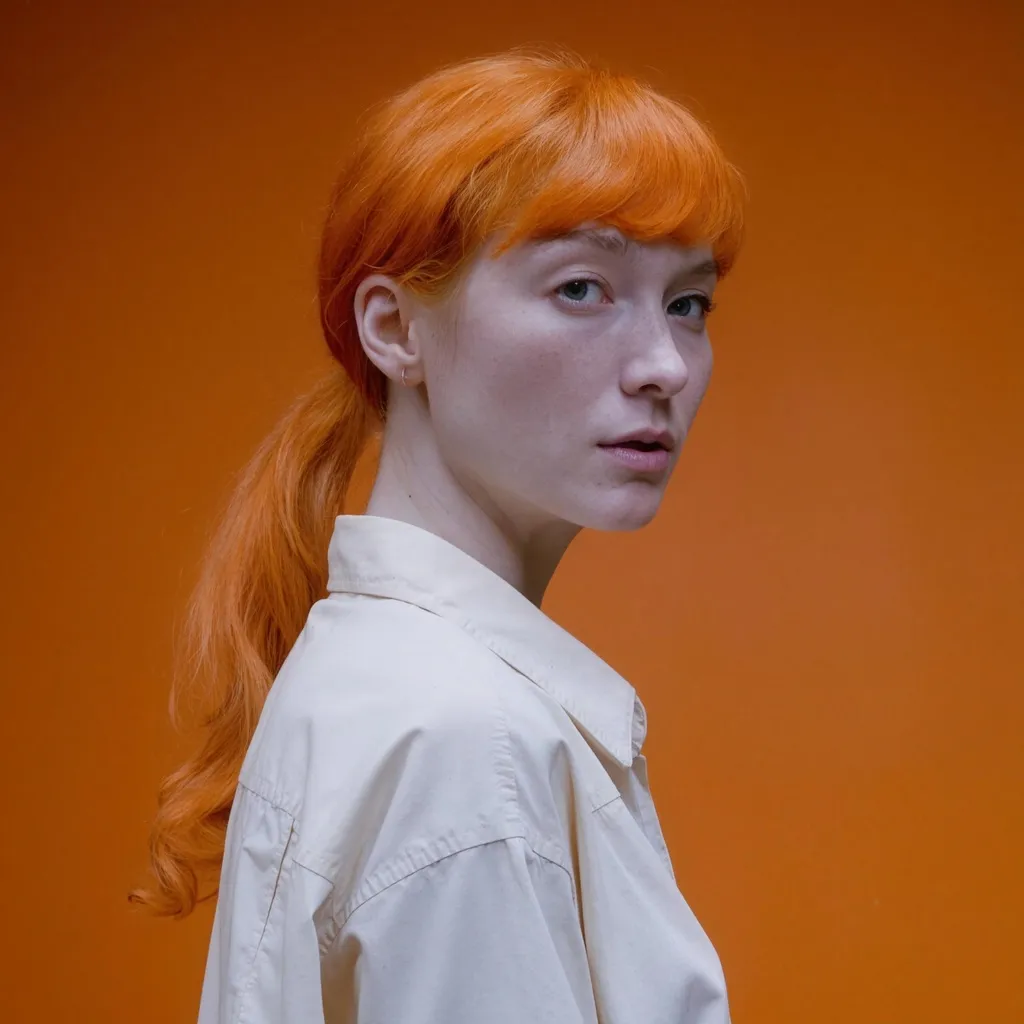
A painting filter smears photographic pixels until they look vaguely brushed. Qwen Image Edit repaints instead, working like a painter with your photo as reference: it lays down brushstrokes, builds texture, and mixes color in the vocabulary of the style you pick, while keeping the composition and subject faithful to the original.
Five styles are one click each. Oil painting gives dense, glossy strokes and classical depth. Watercolor flows in translucent washes with paper showing through. Acrylic is bold and modern with crisp, saturated strokes. Impressionist breaks the scene into dabs of light the way Monet would. Renaissance portrait stages the subject with old-master lighting and glazed skin tones, best on portraits.
What people make with it
Canvas-print gifts from family photos, pet portraits in oil, wedding shots as impressionist scenes, profile pictures as renaissance portraits, and home decor from vacation landscapes. Portraits and landscapes are the natural fits; still lifes and architecture also convert beautifully because painters have been rendering them for centuries and the model knows that visual language.
For the monochrome sibling of this tool, the free photo to pencil sketch converter draws in graphite instead of paint, and for any style outside these five the free AI image editor takes freeform instructions like "gouache" or "ukiyo-e woodblock" on the same model.
What to expect
Paintings return at about one megapixel with the brushwork rendered in. Canvas prints and posters need more; the free AI image upscaler preserves painterly texture while it enlarges. Faces stay recognizable but pass through the style's idiom, an impressionist portrait is dabs of light, not a photograph. The tool accepts JPG, PNG, and WebP up to 4096px per side. Your photo is held transiently while the painting is made, then it expires.