
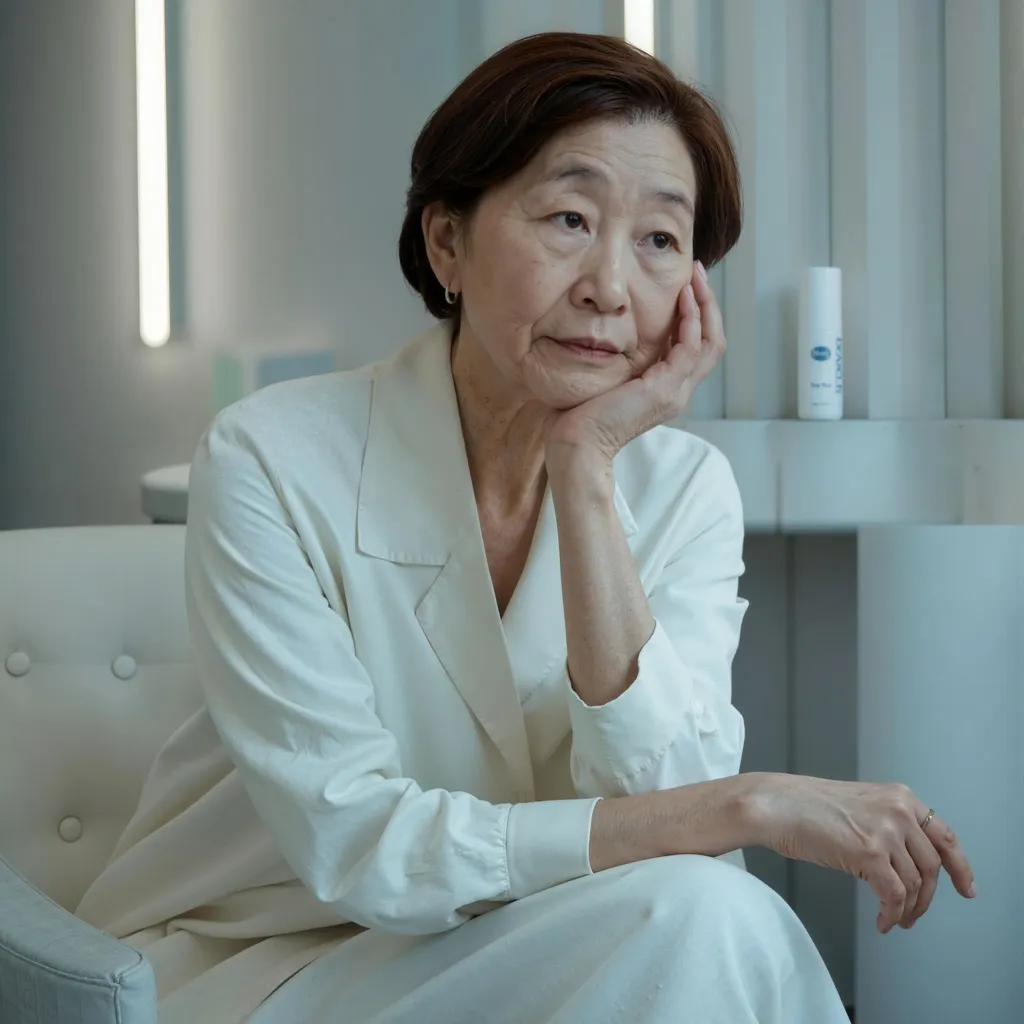
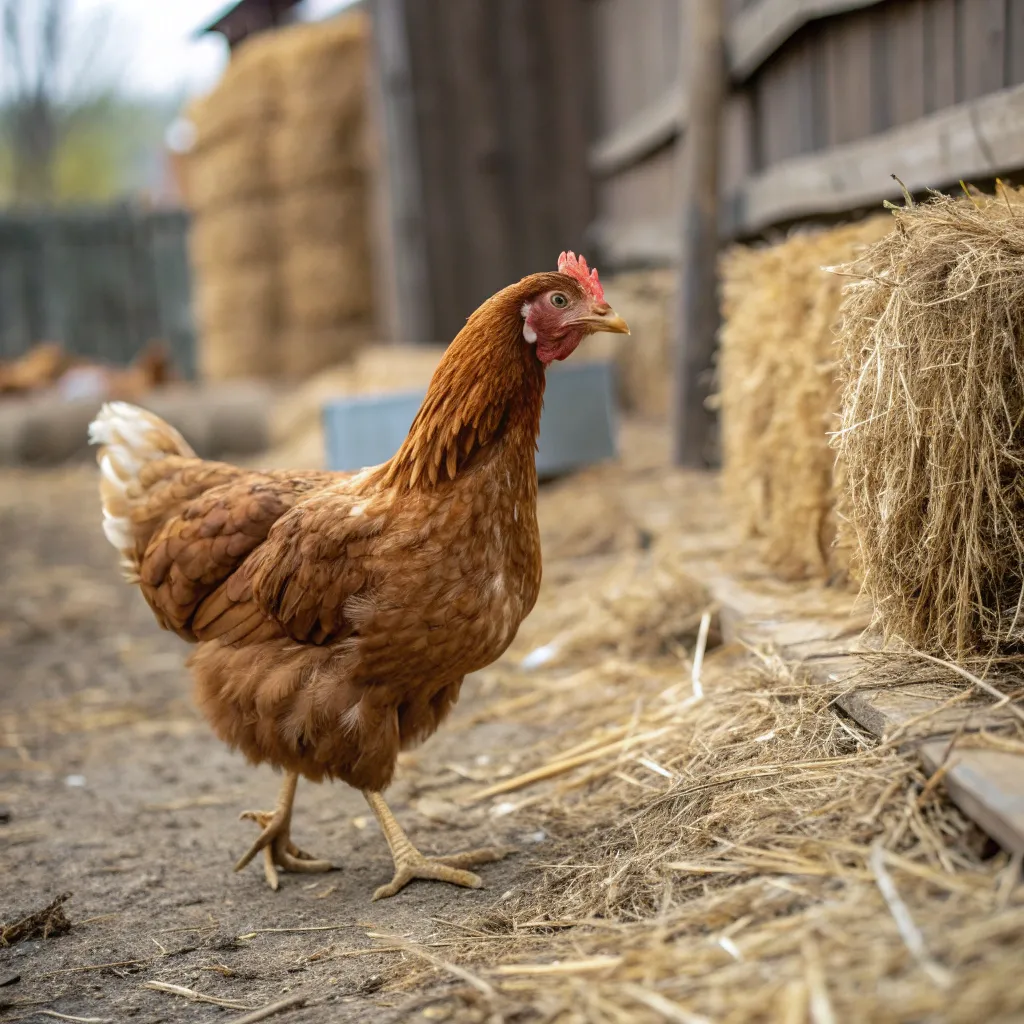
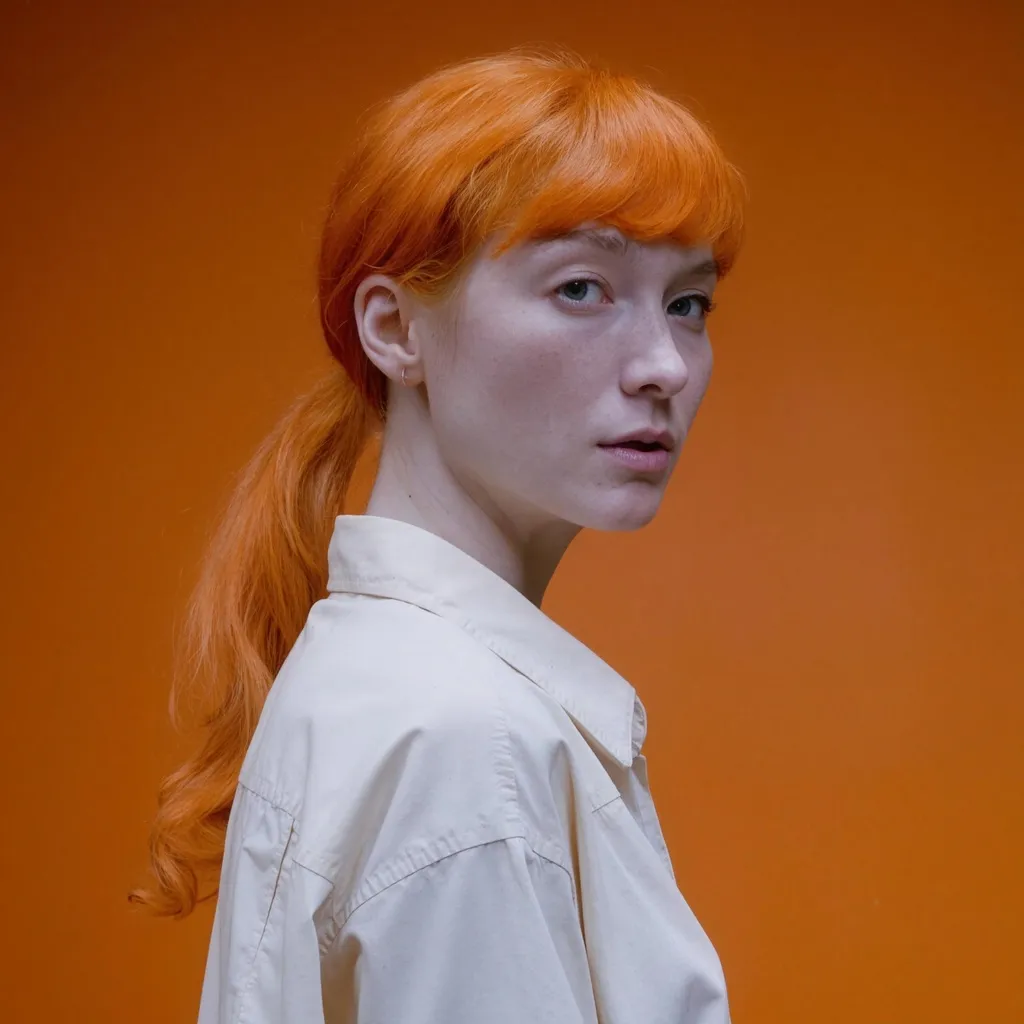
What the film look includes
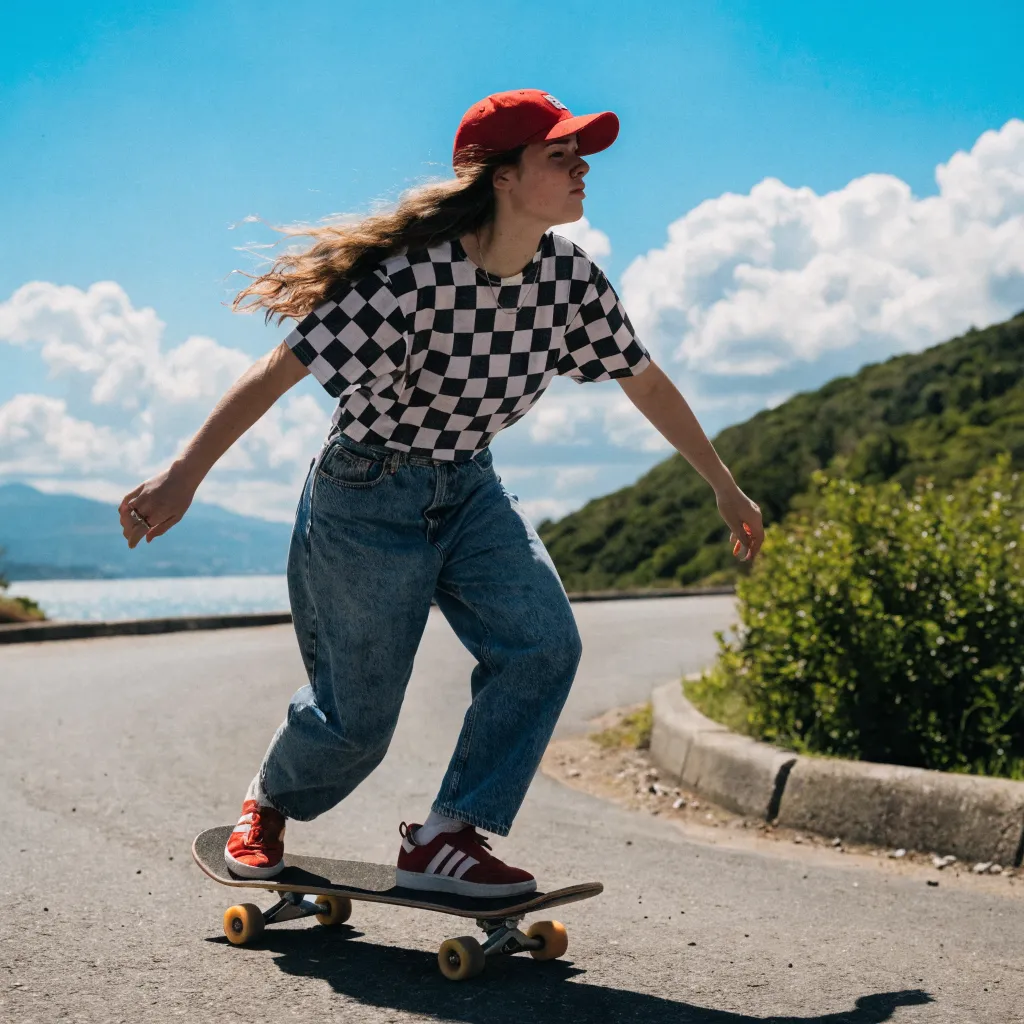
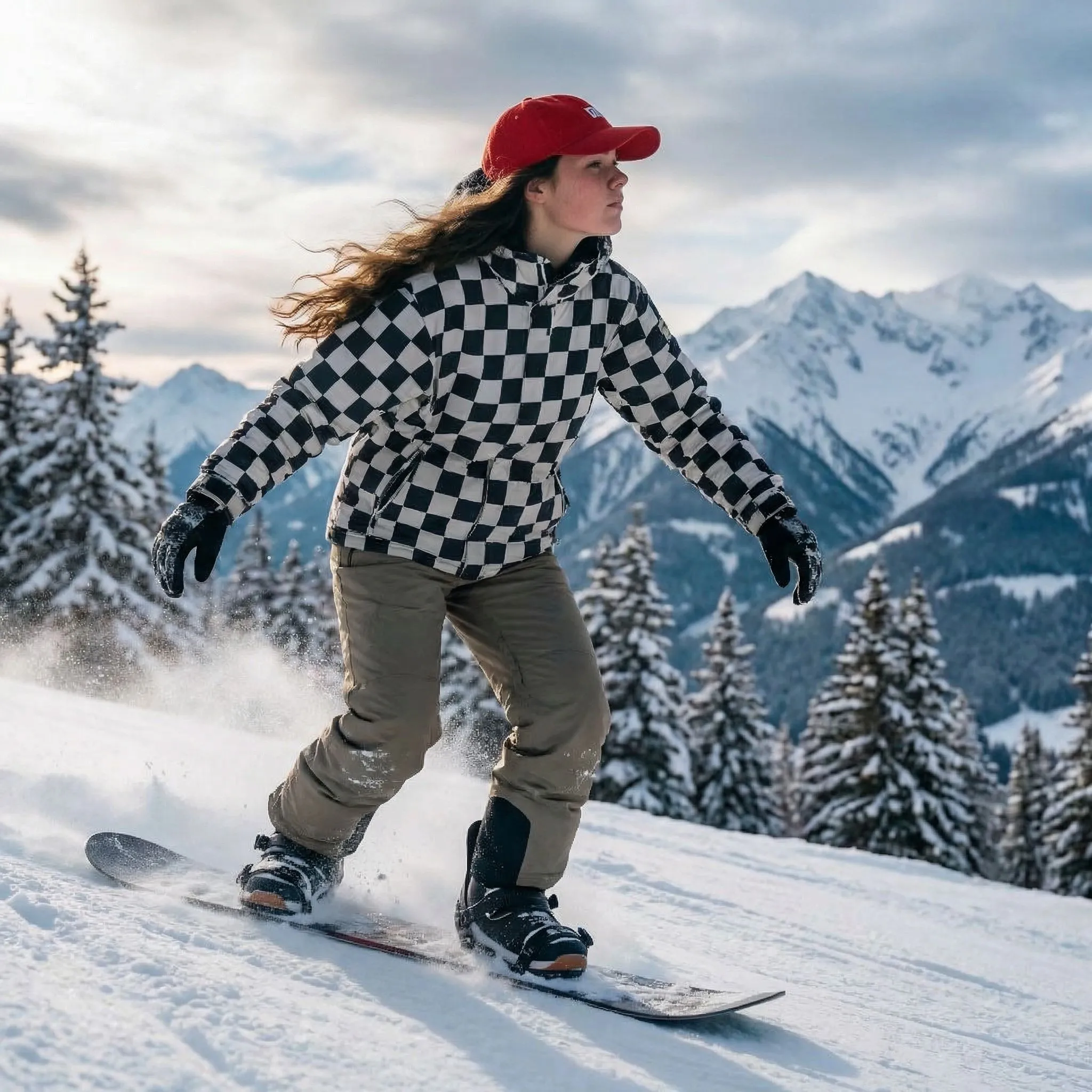
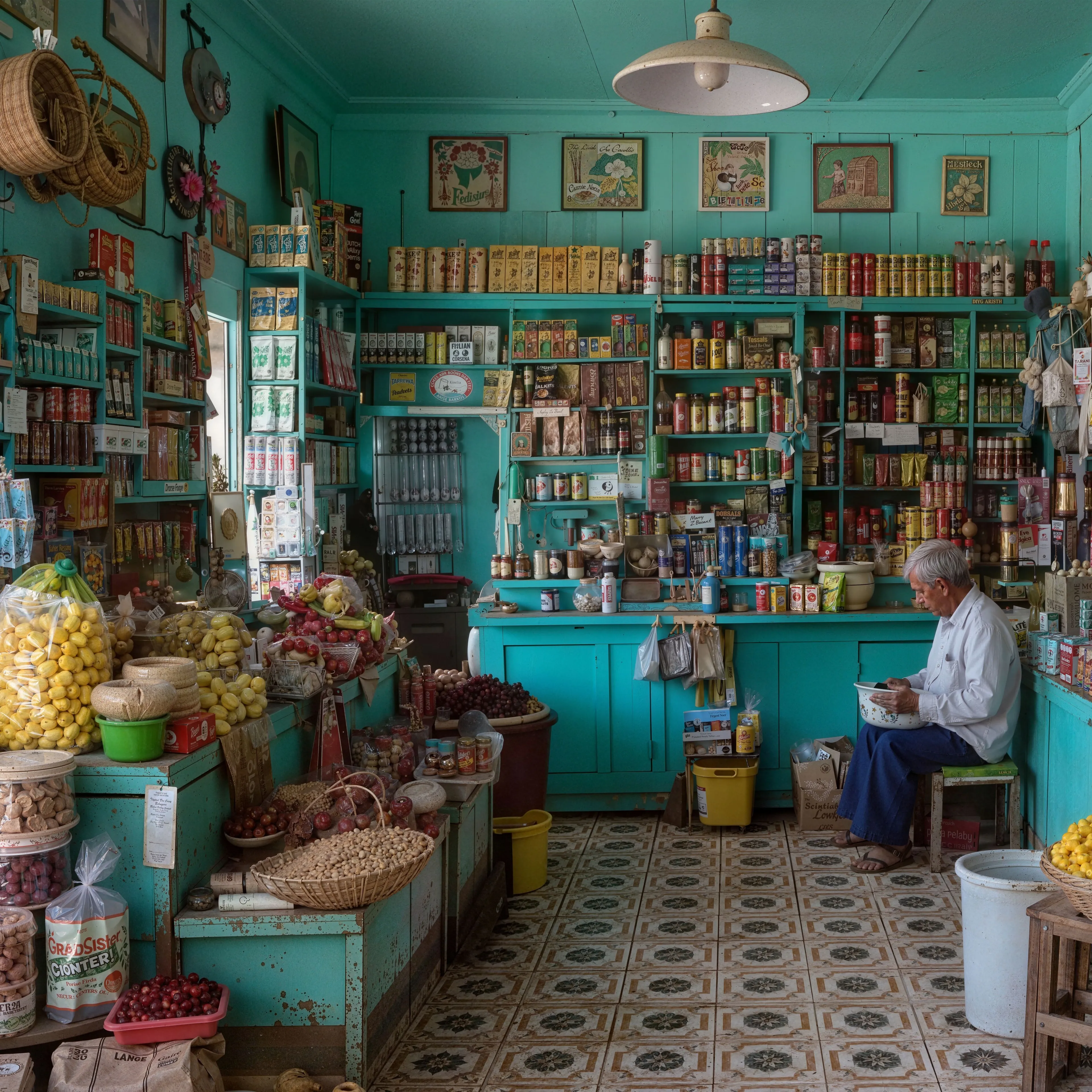
Film faded in a particular way, and this page hands Qwen Image Edit that exact brief: warm faded color, gently lifted blacks, fine grain, and a soft vignette. Because the model understands what it is grading, the fade lands the way film actually behaved: highlights roll off smoothly, skin keeps its warmth instead of going gray, and the grain sits in the image rather than on top of it like a cheap overlay.
It is the exact opposite direction from our free old photo restoration: that page removes decades from a damaged print; this one adds them, minus the damage, to a modern photo. Together they cover both directions of time travel.
Where the vintage look works
Portraits gain instant nostalgia, weddings and family gatherings pick up that shoebox-of-prints warmth, street and travel shots read like decades-old documentary frames, and product or brand imagery gets an analog character that flat digital color never has. The effect is one consistent, tastefully faded film look; it deliberately does not imitate a specific named film stock.
Want a different flavor of retro, say a specific decade, a Polaroid border, or cross-processed color? Describe it in your own words in the free AI image editor, which runs the same model with freeform instructions.
What to expect
The subject, composition, and details stay unchanged; only the grade, grain, and vignette are new. The tool accepts JPG, PNG, and WebP up to 4096px per side, and the result is re-rendered around one megapixel, plenty for social posts; prints can be sized back up with the free AI image upscaler. The original is held transiently for the grade and expires straight after.