





Enhancor Review: the Skin-Fix Specialist, Warts and All
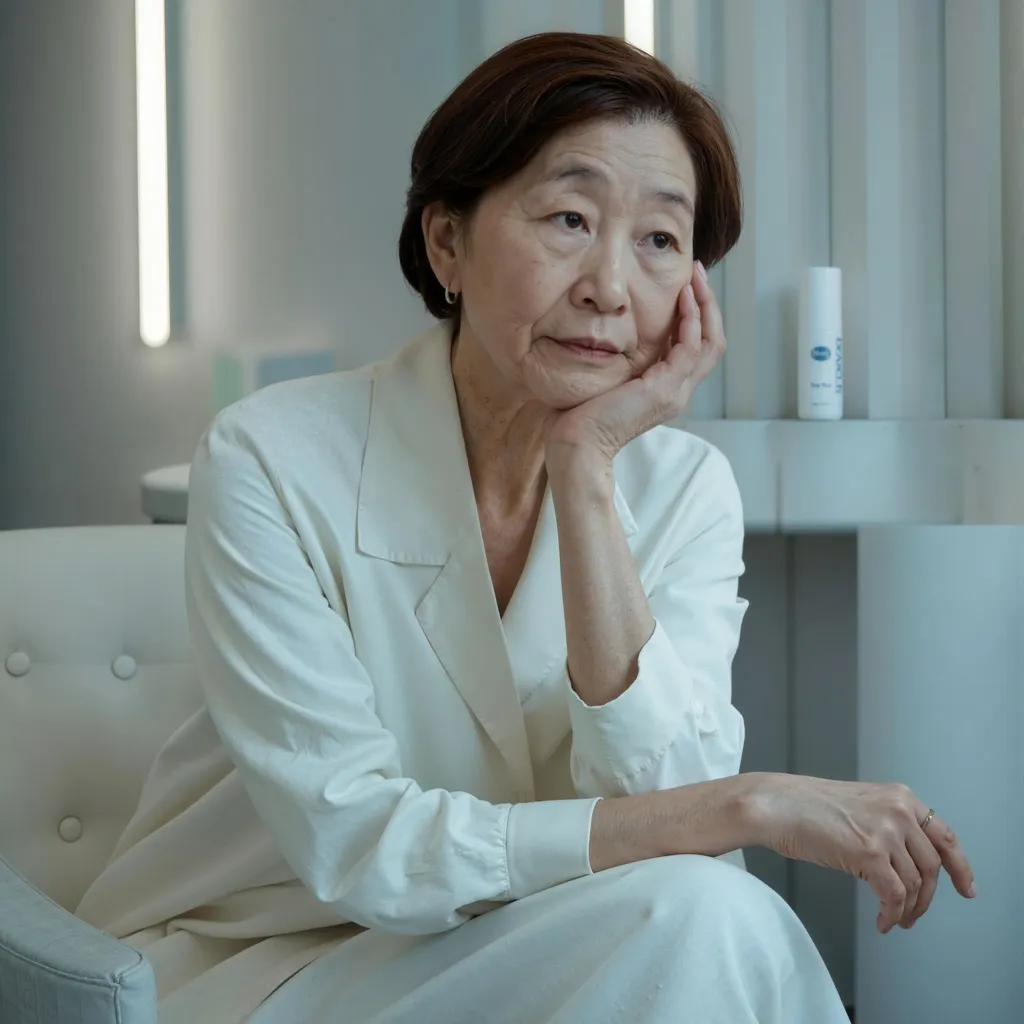
Enhancor made its name on one problem: the waxy, airbrushed "AI plastic skin" that generators produce, which its Skin Fix models repair with pores, micro-texture, and tonal variation while keeping identity and geometry intact. That focus earned it real traction with AI influencer creators, and the product has since expanded into a whole creator suite with its own image generation, video tools, and workflow builder. The other side of the ledger is hard to ignore. Its Trustpilot rating sits at 1.6 out of 5, with reviewers reporting results far below the promo material, slow or unresponsive support, bugs, and, despite "credits never expire" marketing, credit balances deleted when subscriptions are cancelled. The $9 entry tier also caps output at 1080p, so usable resolution starts on the more expensive plans.
Why AI Skin Looks Plastic in the First Place
Understanding the defect makes every tool in this category easier to judge. Real skin is high-frequency chaos: pores, vellus hair, micro-shadows, slight asymmetry, and tonal variation from blood flow beneath the surface. Image generators are trained to produce the most probable image, and averaging over probability smooths exactly that chaos away; heavy retouching in their training data (beauty photography, commercial portraits) pushes the same direction. The result reads as "airbrushed mannequin" because your visual system is exquisitely tuned to skin. Fixing it therefore is not sharpening, which would only harden the smooth surface; it requires generating plausible high-frequency detail back into the face, conditioned tightly enough on the original that identity survives. That is why every serious skin fix, Enhancor's included, is at its core a constrained re-generation pass, and why doing it during an upscale, as Upsampler does, is a natural fit: you are synthesizing new pixels anyway.
The Skin-Fix Landscape: Who Else Solves This
Enhancor is not the only route to realistic skin, and it helps to know the field. Enhancor is the dedicated specialist with granular skin controls at a low entry price and rough reviews. Magnific fixes skin as a side effect of its general creative re-generation, with strong results at platform prices. Clarity AI does the same on an open-source SD 1.5 base, cheaper but with more identity drift. Upsampler's position is the practical middle: Flux and Stable Diffusion add skin realism with explicit face preservation, priced per output megapixel, inside a toolset that also covers the rest of the job. If skin texture is your main interest, the skin texture enhancer guide compares settings and shows worked examples at 100% zoom.
A Specialist Tool vs. a Complete Pipeline
If your entire workflow is generating portraits and fixing their skin, Enhancor's specialization is a reasonable pick at a low entry price. The limitation appears the moment your work extends past faces. High-resolution output is tier-gated, hair, fabric, and backgrounds do not get the same care as skin, and the tool cannot help with the hundred other images in your project that need resolution rather than skin work.
Upsampler folds the skin fix into a complete enhancement pipeline. One creative upscaling pass adds photorealistic skin texture and simultaneously rebuilds detail across the whole frame, at up to 100 megapixels with Flux or 50 megapixels with Stable Diffusion. The same account covers faithful upscaling, inpainting to remove artifacts or unwanted objects, and image generation with leading models, so the portrait workflow and everything around it happens in one place.
Where Enhancor Still Has an Edge
Fairness first: Enhancor's dedicated skin lab offers granular, skin-specific controls that a general-purpose tool does not expose, and its $9/month entry tier is one of the cheapest ways to experiment with the effect. If you want deep manual control over exactly how pores and blemishes render, and you never need resolution or non-portrait work, the specialist may fit. If you need results that survive printing, cropping, and client review, the full-pipeline approach wins on both quality and total cost.
The Workflow: From Plastic to Photorealistic
The recipe most switchers land on is simple. Run the portrait through creative upscaling with low-to-medium creativity and face preservation enabled; the AI adds pores, subtle asymmetry, and micro-shadows while keeping the person recognizable. Zoom to 100% and check the eyes and hairline, the two places fake skin shows first. If a detail went somewhere you did not want, a quick inpainting pass fixes that region alone. The complete settings walkthrough lives in our skin texture enhancement guide, with a photographer-oriented variant in the portrait upscaling guide.
The Full AI-Creator Pipeline, End to End
Skin fixing is one station on a longer assembly line, and this is where a platform beats a point tool. A complete character workflow on Upsampler looks like this: generate the base portrait with an integrated model (or bring one from your own generator), run creative upscaling with face preservation to fix the skin and lift resolution in the same pass, use Image Edit to repair a stray hand or remove a background artifact, and finish with faithful upscaling if the deliverable needs maximum resolution without further changes. Every step draws on the same credit balance, and nothing expires between projects. You can rehearse the front of that pipeline free: the free image generator and free face restoration tool both run without an account.
When Not to Add Skin Texture
An honest guide includes the cases where the answer is "don't." Archival family photos, editorial photography, and anything with documentary value should go through faithful upscaling untouched: adding synthetic pores to a real person's face changes a record into an interpretation. Heavily compressed real photos usually need restoration before enhancement, which is what SeedVR2 is for. And already-natural portraits gain nothing from a texture pass; zoom to 100% first, and if you can see pores, ship it. The creativity dial exists precisely so the fix can be proportional to the problem, and zero is a legitimate setting.