Big Landscapes Deserve Big Prints, and Big Prints Need Pixels
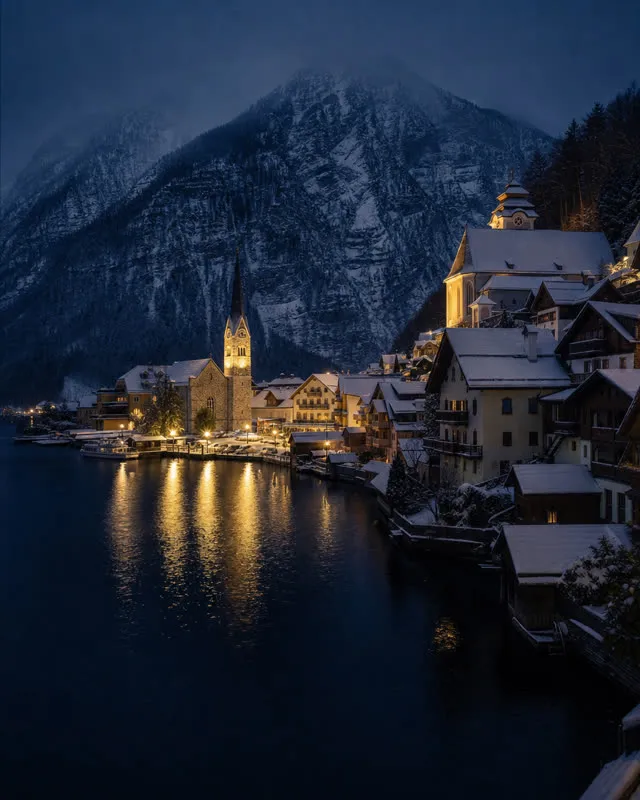
Landscape photography is bought and displayed large: metal prints over sofas, canvas wraps in hotel lobbies, 40×60 inch gallery pieces. At 300 DPI, that 40×60 print needs 12000×18000 pixels, far beyond what even a 45-megapixel camera delivers, and further still once you crop for composition. Panorama stitches, drone shots capped by small sensors, and older camera archives all hit the same wall. Upscaling as the last step of your edit closes the gap between the file you have and the print size the image deserves, up to 100 megapixels.
Enhancement Without Breaking the Light
What makes landscape enhancement delicate is that the atmosphere is the subject: mist should stay mist, a sky gradient must not band, and your carefully graded colors must survive untouched. Precise Upscale (SeedVR2 / GAN) is built for exactly this. It increases resolution and cleans noise while preserving tonal range, color grading, and the soft-to-sharp depth structure of the composition. Creative Upscale (Flux or Stable Diffusion) earns its place on the difficult frames: distant ridgelines gone soft with haze, foliage mushed by high-ISO noise reduction, or heavily cropped compositions that need genuine new texture in rock, bark, and water.
One Frame, Many Destinations
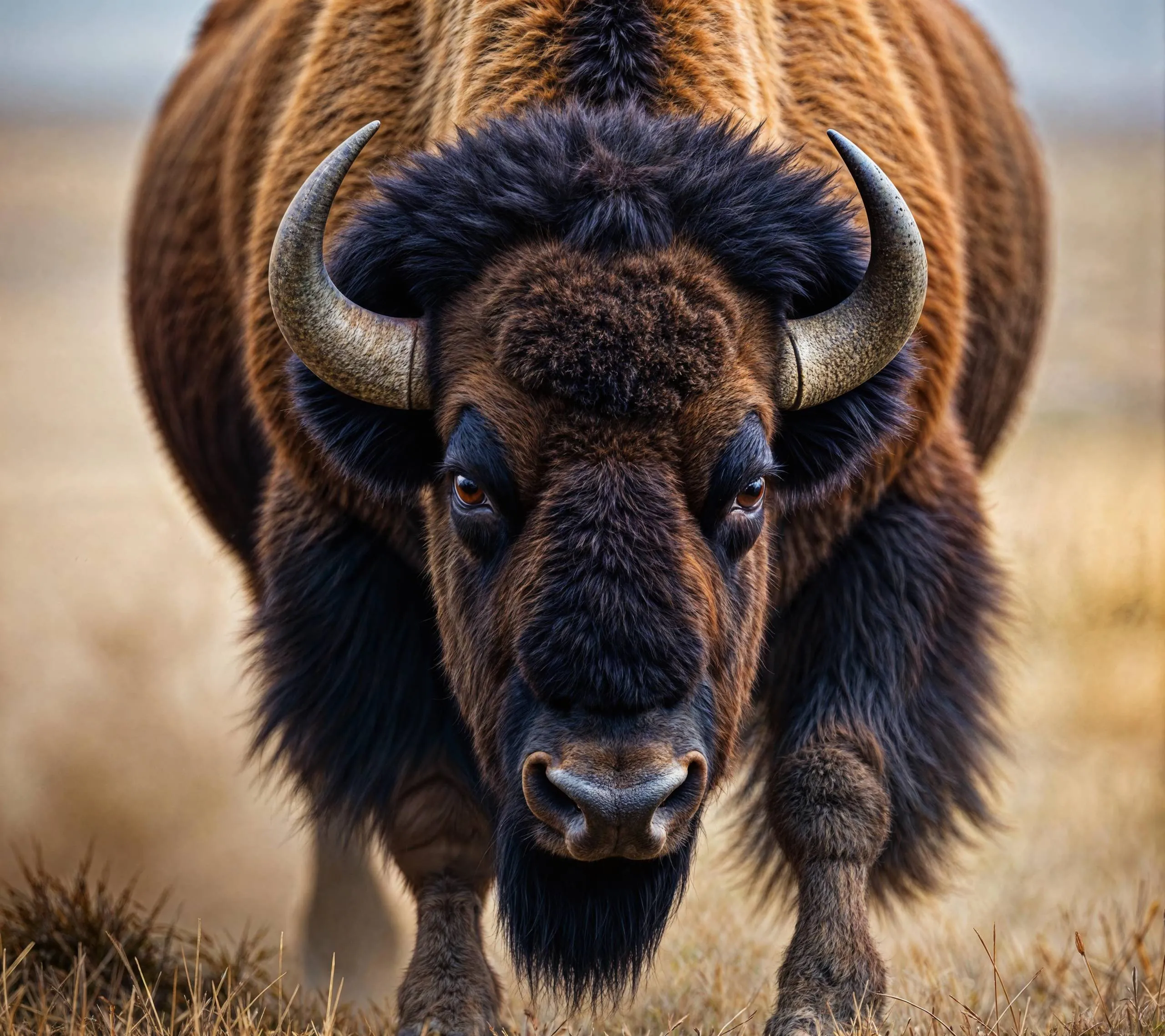
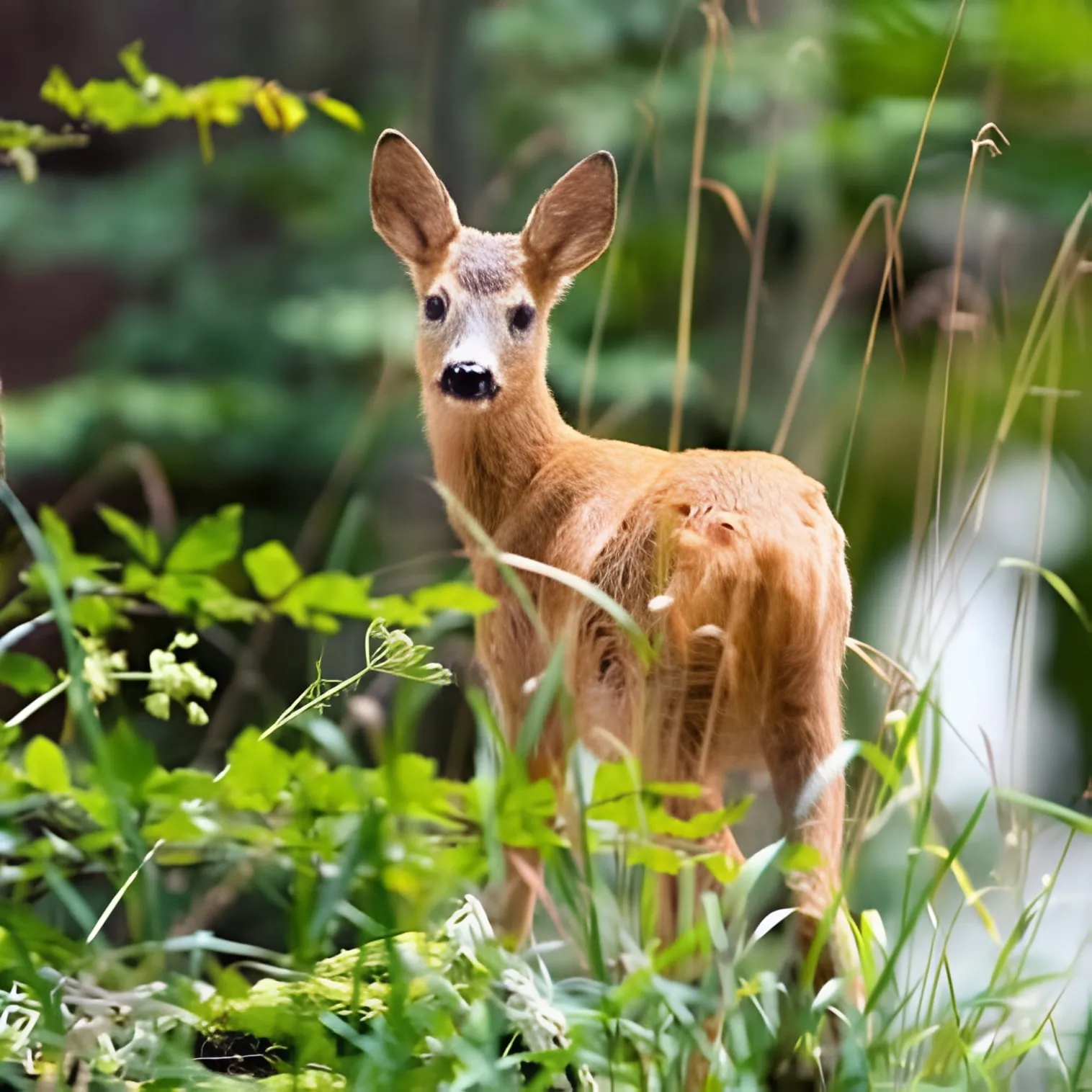
A single strong landscape ends up everywhere, and each destination has its own resolution demand: stock agencies like Shutterstock and Adobe Stock enforce quality gates, competitions set minimum dimensions, coffee table books print at 300 DPI, and Instagram compresses whatever you give it, so starting sharp matters. Upscale once at maximum quality and derive every deliverable from that master file. The same trips usually produce wildlife frames that benefit from the companion workflow, and architecture shooters can apply the same principles to exteriors. Try one of your own RAW exports on the free no-signup upscaler and inspect the distant detail at 100%.